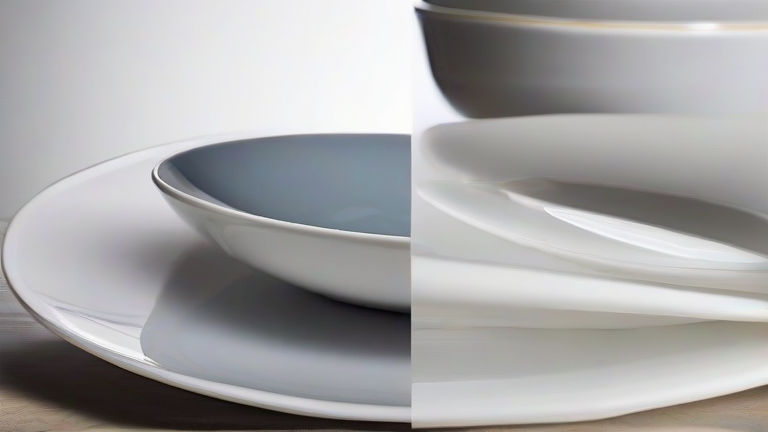
TL;DR: Porcelain’s vitrified, non-porous surface prevents bacterial growth and chemical leaching, making it one of the safest tableware materials in history. Its invention in China was a public health milestone, replacing porous earthenware and lead-glazed pottery that contaminated food and drink.
The Accidental Sanitation Revolution
Porcelain emerged during China’s Eastern Han Dynasty (25–220 CE) as a byproduct of kaolin clay and petuntse stone fired at over 1,300°C. Unlike earthenware, which remained slightly porous and absorbed moisture, porcelain vitrified into a glass-like, impermeable body. This meant no cracks for bacteria to colonize, no moisture retention, and—critically—no need for toxic lead glazes to seal the surface. Ancient Chinese medical texts from the Tang Dynasty noted that porcelain vessels reduced “stomach ailments” compared to bronze or wood, a prescient observation supported by modern microbiology: Staphylococcus aureus and E. coli survive on porous ceramic for hours, but die within minutes on glazed porcelain’s inert surface.
If you want to dig deeper, check out our guide on Porcelain History: The Cultural Legacy of Fine Chinese Busin.
From Lead Poisoning to Imperial Standards
European aristocrats in the 16th century unknowingly suffered chronic lead poisoning from majolica and tin-glazed earthenware, which used lead to imitate Chinese porcelain’s whiteness. When Jesuit missionaries smuggled kaolin samples to Germany in 1708, Johann Friedrich Böttger produced the first European hard-paste porcelain at Meissen. This wasn’t just an artistic triumph—it was a toxicological correction. By the 1800s, British potters like Josiah Wedgwood began firing porcelain at higher temperatures and abandoning lead-based glazes entirely, driven by worker illnesses and consumer complaints. Today, the FDA and EU’s strict ceramic lead/cadmium limits (≤0.5 µg/mL for hollowware) trace directly back to porcelain’s historical superiority.
Lifestyle Tip: Choose Vitrified Over “Ceramic”
When buying tableware, check for “fully vitrified” or “porcelain” labels—these meet ISO 6486 standards for heavy metal release. Avoid hand-painted “artisan” pottery unless it specifies food-safe, low-fire glaze, as underfired pieces can leach metals. For daily use, opt for plain white porcelain; colored glazes, especially reds and yellows, historically used cadmium. And never microwave antique porcelain—pre-1950s pieces may contain uranium-based orange glazes. A simple home test: place a porcelain cup against a light source; if it glows translucent (not opaque), it’s properly vitrified.
Cultural Legacy of Clean Eating
In Japan, the 17th-century Arita porcelain revolution replaced lacquered wood for sushi, reducing foodborne illness in Edo’s dense population. Meanwhile, Ottoman Iznik tiles, though not porcelain, inspired hygienic cauldron linings. Modern porcelain retains this legacy: its surface is 99.9% non-reactive, preserving flavors without metallic aftertaste. For a health-forward kitchen, invest in a few high-fired porcelain mixing bowls—they resist knife scratches that harbor mold, unlike plastic or stoneware.
FAQ
Q: Is porcelain truly safer than stainless steel or glass for daily use?
A: Yes, for hot liquids and acidic foods. Porcelain is non-reactive (unlike steel, which can impart iron taste) and less brittle than glass, while its glazed surface is easier to sterilize than wood or unglazed clay. However, avoid chips—exposed bisque can harbor bacteria.
Q: How can I verify my porcelain isn’t leaching lead from decorative patterns?
A: Use a home lead swab kit (e.g., 3M LeadCheck) on the rim and inside of the dish. For vintage pieces, assume any gold, orange, or red trim contains lead unless lab-tested. Modern commercial porcelain from Japan, Germany, or the US is generally lead-free.</p
Leave a Reply