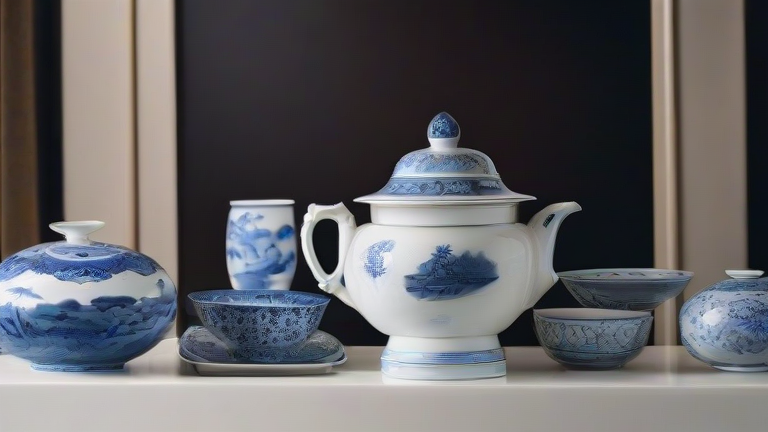
TL;DR: The porcelain industry survives not by selling tableware, but by monetizing cultural heritage, scarcity, and craftsmanship—transforming a 2,000-year-old art form into a luxury asset class. Successful businesses today blend historical authenticity with modern distribution, turning museum-grade traditions into high-margin, collectible products.
The Historical Bedrock of Modern Porcelain Business
Porcelain’s commercial story begins in China’s Tang dynasty (618–907 AD), but it was the Song dynasty (960–1279) that perfected the translucent, hard-paste formula that Europeans would later call “white gold.” The Silk Road trade made porcelain the first globally traded luxury good—a status that persists. For modern businesses, this history is not just lore; it is a pricing anchor. A vase with a verified 18th-century Jingdezhen provenance commands 100x the price of a similar-shaped contemporary piece, simply because the cultural narrative is embedded in the clay. Smart companies leverage this by issuing certificates of authenticity tied to specific kiln traditions or imperial patterns, effectively selling a slice of dynastic history.
If you want to dig deeper, check out our guide on Porcelain History & Culture: A Complete Beginner’s Guide.
Market Analysis: The Collectors vs. The Aesthetes
The global porcelain market is valued at roughly $25 billion (2024), growing at 4.2% CAGR. But the real segmentation is cultural. The first segment is the “heritage collector”—typically aged 55+, buying antique or antique-replica pieces for investment, driven by auction houses like Christie’s and Sotheby’s. The second, faster-growing segment is the “millennial aesthete”—aged 28–45, purchasing contemporary porcelain art or limited-edition dinnerware for interior design and social media display. This group values storytelling over provenance, and they are willing to pay a 40% premium for pieces that reference historical techniques (e.g., cobalt underglaze, famille rose) but with modern, minimalist shapes. Businesses that ignore this dual market miss half the revenue.
Strategy Insights: From Craft to Controlled Scarcity
Three strategic pillars define profitable porcelain ventures. First, supply-chain storytelling: do not hide the handmade process—market it. Brand like Meissen and Herend succeed by showing the 20-hour hand-painting process on video, turning labor into luxury. Second, cultural licensing: partner with museums (e.g., the British Museum’s Ming replica series) to create co-branded lines that carry institutional credibility. Third, limited annual drops: emulate streetwear culture by releasing only 500 numbered pieces per design, tied to a historical motif (e.g., “The Blue Willow Revival”). This creates urgency and secondary-market speculation, often doubling retail value within two years.
Case Studies: Two Paths to Profit
Case 1: Jingdezhen’s “Taoxichuan” Creative District (China)—A former state-owned porcelain factory transformed into a cultural hub. By leasing studio space to 200 independent artisans and hosting annual “Imperial Kiln Revival” festivals, the district generates $150M annually. Their key move: they sell “kiln experience packages” to tourists ($80 per person) where visitors throw their own pot, fire it in a traditional dragon kiln, and take home a certified piece. This converts culture into an experiential revenue stream, not just a product.
Case 2: Danish brand “Kähler” (est. 1839)—Struggled until they pivoted to “heritage remix.” They took their classic 1920s hammered glaze vases and relaunched them in pastel colors with modern silhouettes, retailing at $120–$300. By using Instagram storytelling that highlights the original workshop’s 100-year-old molds, they grew revenue 300% in five years, targeting the millennial aesthetic segment. Their lesson: keep the historical process, but update the form factor to current interior trends.
Operational Risks and Cultural Sensitivity
Porcelain businesses face two major pitfalls. First, cultural appropriation accusations—if you are not from
Leave a Reply