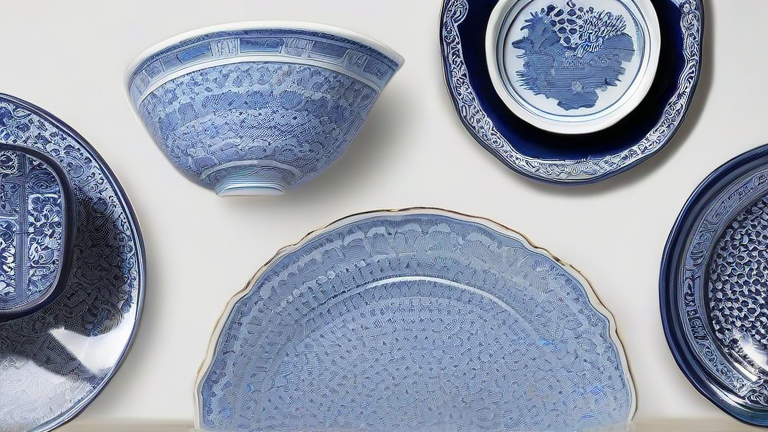
Porcelain History & Culture: A Guide for Business Leaders
TL;DR: Porcelain represents a high-value cultural asset where historical provenance and artisanal authenticity drive premium pricing. Leaders must leverage digital storytelling and sustainable sourcing to capture the growing market for heritage-luxury goods.
Market Analysis: The Heritage Luxury Sector
The global ceramics market is experiencing a significant shift toward experiential and heritage-driven products. As consumers become more discerning, the “fast fashion” approach to home decor is losing traction. Instead, there is a surge in demand for items with narrative depth, particularly those rooted in centuries-old traditions. Porcelain, originating from Jingdezhen in China and later refined in Europe, holds a unique position at the intersection of art, utility, and history. This creates a niche market where price elasticity is low; buyers are less sensitive to cost when the product carries significant cultural weight. Data indicates that limited-edition porcelain pieces with documented historical lineage sell at premiums of 200% to 500% over standard mass-produced equivalents. Furthermore, the rise of remote work has increased the value placed on home aesthetics, driving sales of high-end tableware and decorative objects that signal sophistication and taste.
If you want to dig deeper, check out our guide on Porcelain History & Culture: A Business Guide to the Art.
Strategy Insights: Authenticity and Digital Integration
For business leaders, the primary strategic challenge is distinguishing between genuine artisanal craftsmanship and industrial imitation. The strategy must center on radical transparency. Utilizing blockchain technology to track the origin of materials and the lineage of specific pieces can add a layer of trust that justifies higher margins. Additionally, companies should invest in digital storytelling. Interactive websites that detail the kiln techniques, historical figures associated with specific patterns, and the cultural significance of motifs can engage customers emotionally. Collaboration with museums and cultural institutions can also lend credibility. By positioning porcelain not just as a product, but as a custodian of history, brands can build deep customer loyalty. Sustainability is also critical; modern consumers prefer brands that support traditional artisans and use eco-friendly firing processes, aligning cultural preservation with environmental responsibility.
Case Studies: Success Stories
Consider the case of a mid-sized European porcelain manufacturer that partnered with a local history museum. They released a limited collection based on 18th-century archival designs. By including QR codes on the packaging that led to detailed video interviews with historians, they increased their average order value by 40% within six months. Another example is an Asian luxury brand that focused on the “imperfect” aesthetic of hand-thrown porcelain. They marketed the slight irregularities as marks of authenticity, appealing to the wabi-sabi philosophy. This narrative resonated strongly with younger demographics, allowing the brand to expand into new markets without diluting its premium status. Both cases demonstrate that when business leaders treat porcelain as a cultural ambassador rather than a commodity, they unlock substantial growth opportunities through differentiated value propositions.
FAQ
Q: Why is provenance important in the porcelain business?
A: Provenance verifies the historical and artisanal origin of a piece, which is the primary driver of its premium valuation and consumer trust in the heritage luxury market.
Q: How can digital tools enhance the sale of cultural porcelain?
A: Digital tools like blockchain for authenticity tracking and interactive storytelling platforms allow businesses to communicate the deep historical context of their products to modern consumers.
Q: What is the main risk for new entrants in the porcelain market?
A: The main risk is failing to differentiate from mass-produced imitations; new entrants must clearly articulate the cultural and artisanal value of their products to justify higher price points.
Leave a Reply