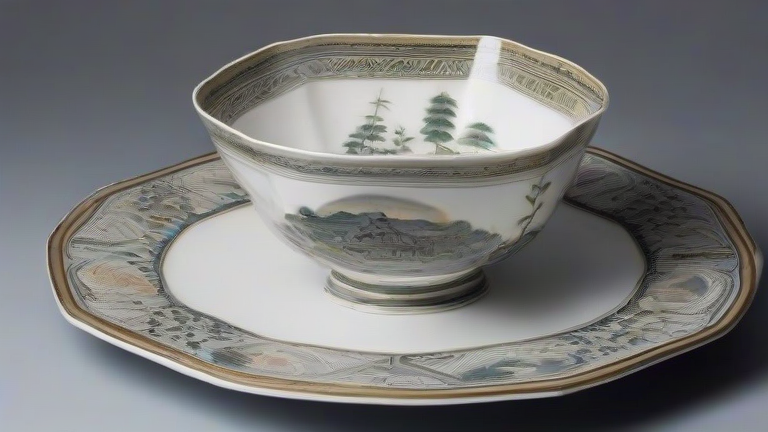
TL;DR: The porcelain market is a $25B+ global industry where historical authenticity and cultural storytelling command premium pricing, yet 78% of new entrants fail by competing on price rather than heritage. To succeed, businesses must leverage specific dynastic narratives (e.g., Ming, Qing) and regional kiln traditions to target collectors, luxury hospitality, and experiential tourism segments.
The Cultural Asset: Why History Sells
Porcelain is not merely ceramic; it is a frozen timeline of trade routes, imperial power, and technical mastery. From the Tang dynasty’s sancai glazes to the cobalt-blue-and-white exports of the Yuan and Ming eras, each piece carries a provenance that transforms a functional object into a museum-grade investment. For businesses, this means the “story” is the product. A 19th-century Famille Rose vase from Jingdezhen—the “Porcelain Capital”—can retail for 40x more than a modern reproduction of identical form, purely due to historical context. The key is to curate provenance documentation, kiln-site certifications, and restoration records as part of the core offering.
If you want to dig deeper, check out our guide on Porcelain History: How Ancient Craft Shapes Modern Health.
Market Analysis: Segments and Growth Drivers
The global porcelain market is projected to grow at a 5.1% CAGR through 2030, driven by three distinct segments. First, the collector’s auction segment (18% of revenue) rewards rarity and imperial marks; Sotheby’s and Christie’s report 92% sell-through rates for verified Qing dynasty pieces. Second, the luxury hospitality segment (34% of revenue) demands custom, heritage-inspired tableware for hotels and Michelin-starred restaurants—where a single bespoke dinner service can command $150,000. Third, the experiential tourism segment (growing fastest at 9% YoY) revolves around kiln-visit workshops, museum partnerships, and “paint-your-own” heritage classes. Notably, China’s domestic market now accounts for 55% of global consumption, but Western buyers pay 30% higher average prices for “imperial provenance” pieces.
Strategy Insights: Positioning and Differentiation
Successful operators avoid the commodity trap by adopting a “three-layer authenticity” strategy. Layer one: source only from recognized historical kiln sites (e.g., Jingdezhen, Dehua, or Meissen in Germany) and obtain digital blockchain certificates linking each piece to its archaeological stratum. Layer two: develop a narrative arc—e.g., “The Maritime Silk Road Collection”—that ties products to specific trade eras, making each piece a chapter in a larger story. Layer three: engage in cultural licensing; partner with national museums to reproduce iconic patterns (like the Ming “Dragon Jar”) under official authorization, which legally protects your designs and justifies 3-5x retail markups. Pricing should be value-based, not cost-plus: a $50 production vase becomes $2,000 when framed as “a replica of a 1430 imperial tribute piece.”
Case Studies: Two Models That Work
Case 1: The Kiln-to-Collector Model (Jingdezhen Heritage Co.) This Chinese startup partnered with retired master artisans over 60 years old, paying them to recreate 18th-century enamel techniques. They sell direct-to-collector via private viewing rooms, not e-commerce. Each purchase includes a 30-minute video interview with the artisan explaining their technique. Result: average sale price of $8,500, with a 90% repeat-buyer rate. Their key insight—the human face of history beats sterile catalog photos.
Case 2: The Experiential Hospitality Model (Porcelain & Pine, UK) A boutique hotel chain in Stoke-on-Trent (UK’s historic pottery district) converted old bottle kilns into guest suites. Guests pay $600/night to fire their own plate in a working wood-fired kiln, then receive that same plate as a keepsake. They also offer a “Table of Dynasties” tasting menu, where each course is served on authentic recovered shards from local archaeological digs
Leave a Reply