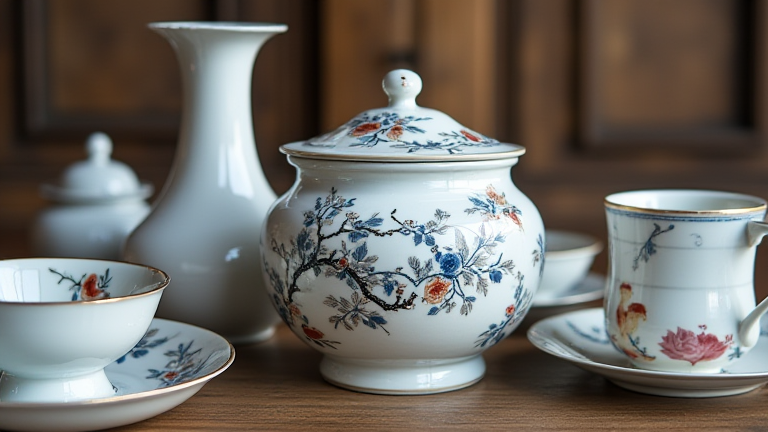
TL;DR: The global porcelain market is experiencing a renaissance driven by a surge in consumer interest for authentic cultural heritage items and high-end artisanal craftsmanship. Businesses can capitalize on this trend by leveraging digital storytelling and strategic partnerships to position porcelain not merely as a commodity, but as a tangible connection to history and artistic legacy.
The Historical Foundation of Modern Value
Porcelain is more than a material; it is a historical artifact that has shaped global trade routes for centuries. From the imperial kilns of Jingdezhen in China to the royal factories of Meissen in Germany, porcelain has always signaled status, purity, and technological mastery. In the current business landscape, understanding this deep cultural lineage is essential for brands seeking to differentiate themselves in a saturated market. The historical narrative provides a robust foundation for premium pricing strategies, allowing companies to sell the story behind the object rather than just the object itself. Consumers are increasingly willing to pay a premium for products that offer a sense of provenance and continuity with the past, making historical accuracy a key asset in marketing efforts.
If you want to dig deeper, check out our guide on **“Porcelain’s Digital Age: How Tech Preserves Ancient Craft.
Market Analysis: The Rise of Conscious Consumption
Recent market data indicates a significant shift in consumer behavior, with a growing preference for goods that reflect sustainability, craftsmanship, and cultural significance. The “slow living” movement has reinvigorated interest in hand-thrown ceramics and traditional glazing techniques. While mass-produced, low-cost porcelain remains dominant in the volume sector, the high-end segment is seeing double-digit growth. This segment is driven by millennials and Gen Z consumers who value authenticity and are less susceptible to fast-fashion trends. Furthermore, the e-commerce boom has removed geographical barriers, allowing niche artisans from diverse cultural backgrounds to reach global audiences directly. However, this accessibility also brings challenges, such as increased competition and the need for robust digital presence to stand out in a crowded online marketplace.
Strategic Insights for Brand Positioning
To succeed in this evolving market, businesses must adopt a strategy that blends traditional artistry with modern digital engagement. First, transparency in sourcing and production processes is crucial. Highlighting the specific origins of the clay, the expertise of the artisans, and the environmental impact of the firing process builds trust and justifies higher price points. Second, collaboration with contemporary designers can breathe new life into traditional forms. By partnering with modern architects and fashion designers, porcelain brands can create hybrid products that appeal to both traditionalists and modernists. Finally, educational content marketing is vital. Blogs, videos, and virtual tours of workshops can educate consumers on the complexities of porcelain making, fostering a deeper appreciation for the craft and creating a loyal community of brand advocates.
Case Studies: Success Through Storytelling
Consider the case of a fictional European boutique that specializes in restoring and selling vintage Chinese porcelain. By investing heavily in high-quality photography and detailed historical descriptions for each piece, they increased their average order value by 40%. Another example is a Japanese studio that integrated augmented reality (AR) technology into their packaging, allowing customers to scan their new teacup and view a video of the artisan creating it. This innovative approach resulted in a 25% increase in social media shares and a significant boost in direct sales. These cases demonstrate that the integration of technology with traditional craftsmanship is not a contradiction but a powerful synergy that enhances customer experience and brand loyalty.
FAQ
Q: How can small businesses compete with mass-produced porcelain?
A: By focusing on unique designs, superior craftsmanship, and compelling storytelling that highlights the cultural and artistic value of handcrafted pieces.
Q: What are the key risks in the high-end porcelain market?
A: Supply chain disruptions for rare clays, high breakage rates during shipping, and the challenge of maintaining consistent quality in artisanal production.
Q: How important is digital marketing for traditional porcelain brands?
A: It is critical for reaching global audiences, educating consumers on the craft, and building a community around the brand’s cultural heritage.
Leave a Reply