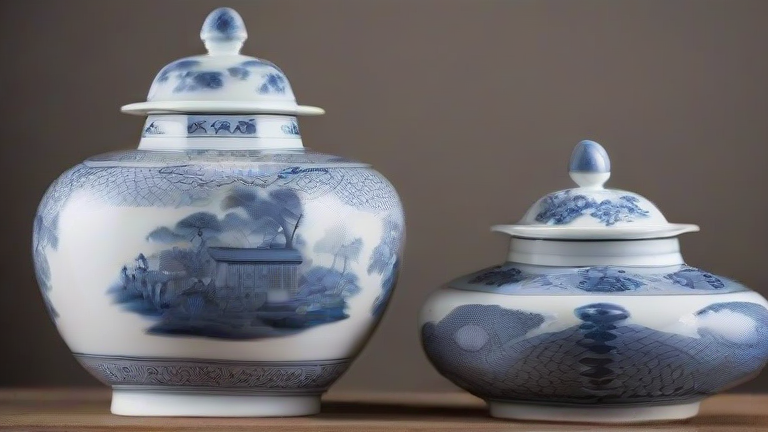
TL;DR: While porcelain itself is an inert material, engaging with its history and culture through mindfulness, ceramic art therapy, and mindful consumption of high-quality ceramic tableware promotes mental well-being, stress reduction, and a deeper connection to heritage. These cultural interactions foster a sense of calm, creativity, and mindful living that significantly benefits overall health.
The Healing Art of Ceramic Appreciation
Porcelain, often referred to as “white gold,” has a rich history spanning centuries, originating in ancient China before spreading globally. Today, beyond its aesthetic value, the study and appreciation of porcelain culture offer unexpected health benefits. Engaging with the intricate history of porcelain provides a form of cognitive stimulation that keeps the brain active. Learning about the complex firing processes, the geological origins of kaolin clay, and the artistic evolution of designs from the Ming Dynasty to modern minimalism serves as a form of lifelong learning. This intellectual engagement can reduce the risk of cognitive decline, keeping the mind sharp and engaged. Furthermore, the act of learning about these historical nuances fosters a sense of wonder and curiosity, which are key components of positive psychological well-being.
If you want to dig deeper, check out our guide on Porcelain History & Culture: A Complete Beginner’s Guide.
Mindfulness Through Ceramic Art
One of the most direct health benefits associated with porcelain culture is the practice of ceramic art therapy. Pottery and porcelain painting require a high degree of focus and fine motor control. When individuals engage in shaping clay or hand-painting porcelain, they enter a state of flow. This state is characterized by deep immersion in the present moment, effectively reducing anxiety and stress levels. The tactile sensation of working with clay is grounding and calming, lowering cortisol levels in the body. Even for those who do not create pottery, visiting porcelain museums or galleries can induce a state of calm. The quiet, curated environments of these spaces encourage slow movement and reflective observation. This practice of “museum mindfulness” allows the nervous system to shift from a sympathetic state (fight or flight) to a parasympathetic state (rest and digest), promoting physical relaxation and mental clarity.
Safe and Mindful Tableware Use
From a physical health perspective, understanding the culture of porcelain also informs safer dietary habits. High-quality porcelain is generally lead-free and non-porous, making it a safer option for food storage and cooking compared to some lower-quality ceramics that may contain heavy metals. Being informed about the cultural standards of craftsmanship helps consumers choose safer products for their daily lives. Additionally, the ritual of using fine porcelain for meals encourages mindful eating. The aesthetic beauty of the plate and the cultural significance of the design can enhance the dining experience. When we eat slowly, appreciating the vessel as much as the food, we allow our bodies more time to register satiety signals. This mindful approach to eating can help regulate weight, improve digestion, and foster a healthier relationship with food. The cultural appreciation of porcelain thus extends from the mind to the body, influencing how we interact with our daily sustenance.
Cultural Connection and Social Well-being
Finally, porcelain serves as a bridge for social connection. Sharing stories about porcelain history, participating in tea ceremonies using porcelain ware, or exchanging gifts made of fine china strengthens social bonds. Social isolation is a significant risk factor for poor health, including heart disease and depression. By engaging in the cultural practices surrounding porcelain, individuals build community and shared identity. Whether it is a local pottery class or an online forum dedicated to antique porcelain collecting, these interactions provide social support and a sense of belonging. The shared appreciation for beauty and history creates a common ground that fosters empathy and understanding. In this way, the cultural legacy of porcelain contributes to emotional health by facilitating meaningful human connections.
FAQ
Q: Does looking at porcelain art actually reduce stress?
A: Yes, studies show that engaging with art in calm environments can lower heart rate and blood pressure, promoting relaxation and mental clarity.
Q: Is all porcelain safe for cooking and eating?
A: Not necessarily; it is essential to choose high-quality, lead-free porcelain from reputable manufacturers to ensure food safety and avoid heavy metal exposure.
Q: How can I incorporate porcelain culture
Leave a Reply