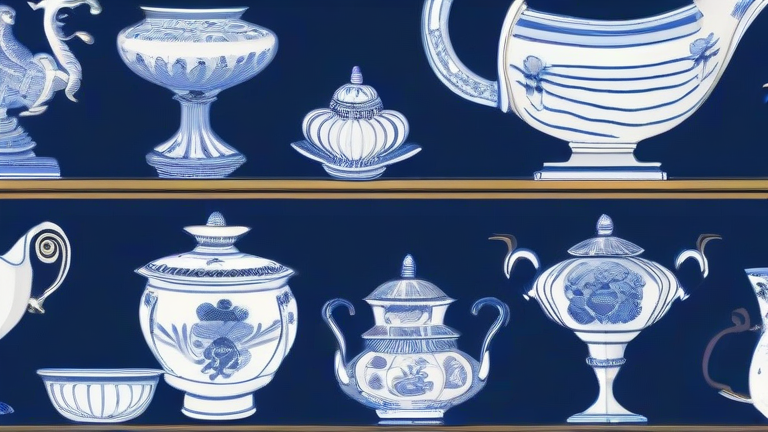
TL;DR: Porcelain is a high-fired ceramic born in China around 600 CE, prized for its translucency, strength, and purity. Its history spans imperial kilns, global trade wars, and artistic revolutions, making it both a cultural artifact and a living craft.
Why Porcelain Matters: More Than Just Teacups
Most people think of porcelain as delicate dinnerware, but this material is actually a technological marvel. Unlike earthenware or stoneware, porcelain is fired at temperatures above 1,300°C (2,372°F) using kaolin clay and petuntse (feldspar). The result is a non-porous, vitrified body that rings like a bell when tapped. This guide dives into the cultural DNA of porcelain—from Tang dynasty “snow-white” wares to Meissen’s European counterfeits—and explains why collectors and historians still obsess over it.
If you want to dig deeper, check out our guide on Porcelain History: Tech Innovations Shaping Ceramic Culture.
Feature Highlights: What Makes Porcelain Culturally Unique
1. The Chinese Imperial Kiln System (960–1911)
The Song dynasty introduced monochrome glazes (celadon, ru, guan) that mimicked jade. The Ming dynasty’s Jingdezhen kilns produced blue-and-white porcelain using cobalt imported from Persia. These pieces were not just vessels; they were diplomatic gifts, currency, and symbols of cosmic order.
2. The Silk Road of Ceramics
Porcelain traveled west via maritime trade routes, becoming the first global luxury brand. Arab traders called it “Chinese medicine” for its supposed ability to neutralize poison. By the 17th century, Dutch East India Company ships carried over 3 million pieces to Europe annually.
3. The European Obsession and Innovation
Europe’s quest to replicate porcelain led to the invention of soft-paste (Florence, 1575) and later true hard-paste (Meissen, 1708). The French Sèvres factory turned porcelain into political propaganda, while English Wedgwood commercialized it for the middle class—transforming porcelain from royal privilege to everyday culture.
Comparisons: Ancient vs. Modern, Chinese vs. European
Compare a Ming dynasty vase (thick walls, hand-painted cobalt, slightly uneven glaze) to a 20th-century Limoges service (ultra-thin, machine-rolled, uniform). The former carries historical aura; the latter offers consistency. Culturally, Chinese porcelain emphasizes *feng shui* motifs (dragons, clouds, lotuses), while European porcelain favors mythological scenes and floral botanicals. For daily use, modern bone china (30% bone ash) is twice as strong as Qing-era porcelain but lacks the tactile warmth of historical pieces.
Who Should Buy This Guide (and What to Do Next)
If you are a collector, a museum docent, or simply someone who wants to distinguish a genuine Kangxi vase from a 1960s Japanese replica, this guide is your starting point. Pair it with a physical touch test—run your finger over the base: genuine antique porcelain feels gritty, not glassy. And always check for “kiln grit” under the foot ring. Do not buy a book; buy this guide, print it, and take it to your next antique fair.
FAQ
Q: How can I tell if my porcelain is genuinely antique without a specialist?
A: Look for three clues: 1) uneven glaze pooling at the base, 2) hand-painted brushstrokes that vary in opacity, 3) a chalky, unglazed foot ring with tiny iron spots. Modern reproductions are too perfect—if it looks machine-made, it likely is.
Q: Is porcelain still made using traditional methods today?
A: Yes, but almost exclusively for high-end art pieces. Jingdezhen, China, still operates wood-fired dragon kilns for contemporary artists, and Japan’s Arita region continues 400-year-old kiln
Leave a Reply