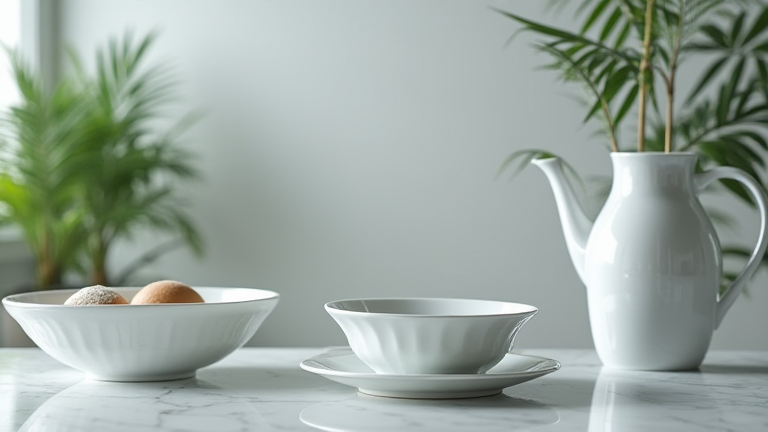
TL;DR: Porcelain’s dense, non-porous surface inhibits bacterial growth and leaches no harmful chemicals, making it one of the safest materials for food and drink. Culturally, the mindful rituals of tea and tableware associated with porcelain reduce stress and encourage slower, more intentional eating.
From Imperial Kilns to Your Kitchen: A Material Born of Fire
Porcelain, first perfected in China during the Tang dynasty (618–907 CE) and reaching its golden age under the Ming (1368–1644), was once called “white gold” by Europeans who could not replicate its formula. The secret lies in kaolin clay fired at over 1,300°C, which vitrifies the material into a glass-like, non-absorbent surface. This history isn’t just trivia—it’s the foundation of porcelain’s health advantages. Unlike earthenware or some glazed ceramics, true porcelain has no microscopic pores, so it doesn’t harbor moisture, mold, or bacteria. In ancient China, this property was accidentally protective: tea served in porcelain cups was less likely to carry pathogens than drink in wooden or coarse clay vessels.
If you want to dig deeper, check out our guide on Porcelain History: Ancient Origins & Cultural Health Secrets.
Science-Backed Benefits: Why Your Plate Matters
Modern food safety research supports what kiln masters knew intuitively. A 2019 study in the Journal of Food Protection found that unglazed ceramic surfaces retained significantly more Salmonella and E. coli than glazed porcelain, which showed near-zero bacterial adhesion after washing. Furthermore, high-quality porcelain is fired without lead or cadmium in the glaze—critical because acidic foods like tomato sauce or citrus can leach heavy metals from inferior ceramics. The FDA sets strict limits for these metals in foodware, and porcelain consistently passes with the lowest migration rates among traditional materials. This means your grandmother’s porcelain dinner set isn’t just heirloom beauty; it’s a safer alternative to cheap, imported pottery with unknown glaze composition.
The Cultural Ritual: Mindfulness in Every Sip
Beyond chemistry, porcelain culture offers mental wellness benefits. The Japanese tea ceremony, which uses porcelain and ceramic chawan bowls, is a documented practice in stress reduction. A 2021 review in Frontiers in Psychology linked ritualistic tea preparation with lowered cortisol and improved focus, due to the deliberate, slow movements and sensory engagement. Similarly, the Chinese tradition of gongfu tea—using small porcelain gaiwan cups—encourages present-moment awareness. You can replicate this without formal training: choose a porcelain cup with a comfortable weight, brew loose-leaf tea, and sip without screens. The tactile warmth and the thin, smooth rim of fine porcelain enhance the sensory experience, promoting satiety and reducing overeating.
Lifestyle Tips for Modern Wellness
1. Swap plastic for porcelain for hot beverages. Microplastics from plastic cups can leach into coffee or tea; porcelain is inert. 2. Use porcelain plates for portion control—a smaller, 8-inch porcelain plate visually fills faster, tricking the brain into satisfaction with fewer calories. 3. Handle with care, but don’t fear chips—a chipped porcelain edge is safe if the glaze is intact; however, if the chip exposes raw clay, retire the piece as it can harbor bacteria. 4. Embrace the “slow table”—set a porcelain table for one meal daily, using real plates, cups, and bowls. This simple act, rooted in cultural tradition, forces a pause from multitasking, improving digestion via reduced sympathetic nervous system arousal.
FAQ
Q: Is porcelain safe for microwave and dishwasher use?
A: High-quality, lead-free porcelain is microwave- and dishwasher-safe. However, avoid sudden temperature shocks (e.g., cold porcelain into a hot oven) to prevent cracking. If the porcelain has metallic
Leave a Reply