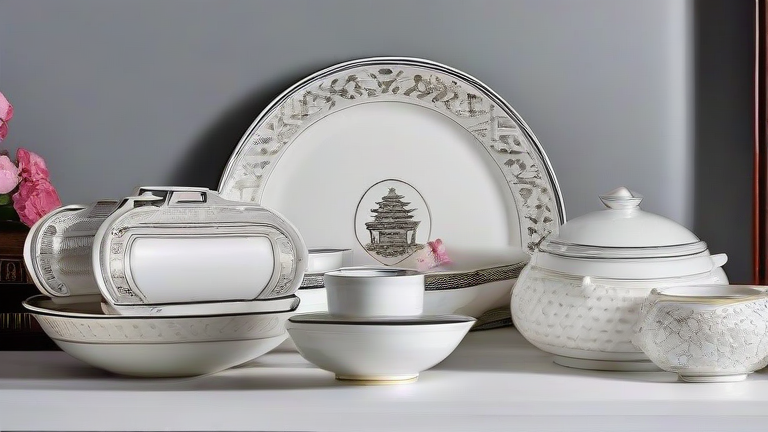
TL;DR: This comprehensive guide explores the profound historical significance and cultural nuances of Chinese porcelain, often referred to as “White Gold.” It offers a deep dive into the evolution of craftsmanship, regional styles, and the enduring legacy that defines these artifacts in the modern art market.
The Allure of White Gold
For centuries, porcelain has been more than just a utilitarian object; it is a symbol of sophistication, purity, and imperial power. In China, where the art of pottery reached its zenith, porcelain became a highly sought-after export commodity that shaped global trade routes. Understanding the history and culture behind these delicate vessels is essential for any collector or enthusiast. This article serves as your ultimate resource for navigating the complex world of Chinese ceramics, from the humble beginnings of Shang dynasty pottery to the exquisite blue-and-white patterns of the Ming Dynasty. By examining the material properties, historical context, and artistic evolution, we can appreciate why porcelain remains a cornerstone of cultural heritage.
If you want to dig deeper, check out our guide on Porcelain History & Culture: A Deep Dive into Porcelain.
Feature Highlights: What Makes It Special?
When evaluating porcelain history and culture products, several key features stand out. First, the material composition itself is a marvel of engineering. Traditional Chinese porcelain utilizes kaolin clay, which allows for high firing temperatures that result in a vitrified, non-porous surface. This durability ensures that pieces can survive centuries, often retaining their vibrant glazes and intricate designs. Second, the artistic motifs carry deep symbolic weight. Dragons, phoenixes, and lotus flowers are not merely decorative; they represent imperial authority, virtue, and purity, respectively. Collectors should look for pieces that showcase these traditional themes, as they offer a window into the social and political structures of ancient China. Furthermore, the glaze techniques, such as the famous “ice crack” pattern, demonstrate the master potters’ ability to turn imperfections into aesthetic virtues. These features collectively elevate porcelain from simple tableware to high art.
Comparing Styles and Eras
Understanding the differences between various dynasties is crucial for accurate identification and appreciation. Tang Dynasty pottery is known for its bold tricolor glazes, reflecting the cosmopolitan nature of the era. In contrast, Song Dynasty ceramics favored minimalism and subtle elegance, with monochromatic glazes that emphasized the form and texture of the vessel. The Yuan and Ming Dynasties saw the rise of blue-and-white porcelain, which became the dominant export style due to its durability and striking visual impact. When comparing modern reproductions with antiques, one must look at the base marks and the weight of the piece. Antique porcelain often feels heavier and has a distinct ring when tapped, whereas modern mass-produced items may feel lighter and lack the subtle variations of hand-painted details. Additionally, the quality of the cobalt blue pigment varies significantly across eras, with older pieces often displaying a deeper, more saturated hue that modern chemical pigments struggle to replicate authentically.
Why You Should Explore This Collection
Investing in knowledge of porcelain history is an investment in cultural literacy. Whether you are a novice collector or a seasoned expert, understanding the background of these objects enhances your enjoyment and helps you make informed purchasing decisions. The market for Chinese porcelain is vast and varied, ranging from accessible contemporary pieces to museum-quality antiques. By focusing on well-documented items with clear provenance, you can build a collection that not only decorates your space but also tells a story of millennia. We encourage you to visit reputable museums, attend specialized auctions, and engage with experts in the field to deepen your understanding. The beauty of porcelain lies not just in its appearance but in the history it carries. Embrace the journey of discovery and let each piece guide you through the rich tapestry of Chinese culture. Start your exploration today and uncover the true value of White Gold.
FAQ
Q: What makes Chinese porcelain historically significant?
A: It was one of the first major industrial products to be traded globally, influencing art and economics worldwide for centuries.
Q: How can I distinguish authentic antiques from modern fakes?
A: Look for natural aging, specific dynastic marks, and subtle variations
Leave a Reply