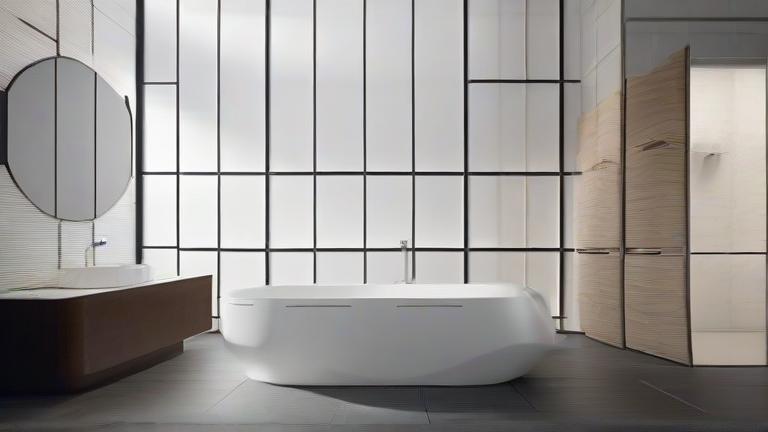
TL;DR: Modern porcelain design integrates ancient craftsmanship with digital fabrication to create sustainable, high-performance products. This fusion honors historical aesthetics while meeting contemporary demands for durability and personalized utility.
The Digital Renaissance of Ancient Craft
Porcelain has long symbolized purity and sophistication, originating in China over a millennium ago. Today, this material is undergoing a technological renaissance. Manufacturers are leveraging additive manufacturing and advanced glaze chemistry to push the boundaries of what ceramic can achieve. This shift is not merely aesthetic; it represents a fundamental change in how we perceive and utilize brittle materials. By combining traditional kiln techniques with precise computer-controlled firing, artisans can now produce complex geometries that were previously impossible. These developments ensure that porcelain remains relevant in an era dominated by plastics and metals, offering a unique blend of elegance and resilience that digital tools alone cannot replicate.
Specs and Sustainable Innovations
Recent advancements focus heavily on reducing environmental impact without compromising quality. New formulations utilize recycled glass and industrial byproducts, significantly lowering the carbon footprint of production. These eco-friendly bodies achieve higher vitrification levels at lower temperatures, saving energy during the firing process. Furthermore, smart glazes are being developed that incorporate antimicrobial properties, making porcelain surfaces ideal for healthcare and food service applications. The technical specifications of these modern pieces are impressive. They boast higher thermal shock resistance and improved fracture toughness compared to traditional varieties. This allows for thinner, lighter designs that maintain structural integrity. Such innovations are critical for meeting modern building codes and consumer expectations for long-lasting, low-maintenance materials.
Industry Impact and Cultural Relevance
The integration of technology into porcelain production is reshaping the global market. Designers now collaborate with engineers to create custom solutions for architecture and home decor. This cross-disciplinary approach has led to a surge in bespoke products, from personalized tableware to intricate architectural facades. The cultural significance of porcelain is also evolving. It is no longer just a luxury item but a versatile medium for artistic expression. Brands are using storytelling to connect consumers with the material’s rich history, emphasizing the artisanal skills required alongside modern machinery. This narrative drives premium pricing and fosters a deeper appreciation for the craft. As sustainability becomes a primary driver for purchasing decisions, porcelain’s durability and recyclability position it as a leader in the circular economy. The industry is moving toward a model where tradition and technology coexist, ensuring that this ancient material continues to inspire and serve in the modern world.
FAQ
Q: Is modern porcelain more durable than traditional types?
A: Yes, new formulations and firing techniques have significantly improved fracture toughness and thermal shock resistance.
If you want to dig deeper, check out our guide on Porcelain History & Culture: The Complete Beginner’s Guide.
Q: How does technology affect the sustainability of porcelain?
A: Digital precision reduces waste, and lower-temperature firing processes save energy, making production more eco-friendly.
Q: Can porcelain be used for large-scale architectural projects?
A: Yes, enhanced structural integrity allows for the use of porcelain in facades and large interior installations.
Leave a Reply