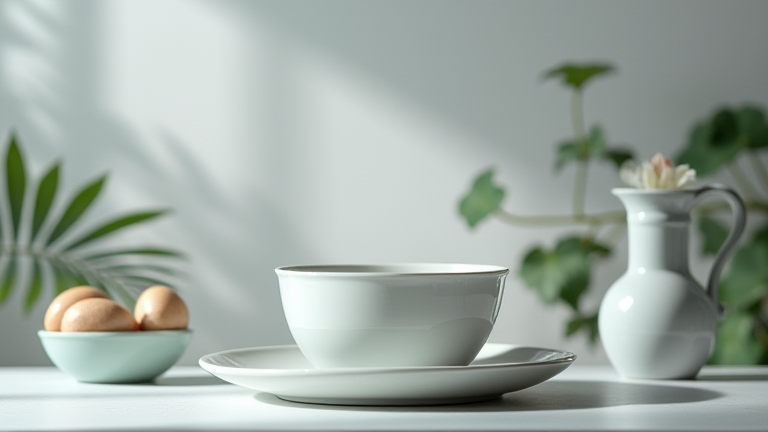
TL;DR: Porcelain culture enhances wellness by promoting mindfulness through mindful collection and the aesthetic appreciation of fine ceramics, which reduces stress and improves mental clarity. Engaging with historical porcelain artifacts and using high-quality porcelain tableware supports a slower, more intentional lifestyle that fosters emotional balance and sensory satisfaction.
The Aesthetic Power of Porcelain
Porcelain has captivated humanity for over a thousand years, originating in China during the Han Dynasty and reaching its zenith during the Ming Dynasty. Its journey across the Silk Road to Europe sparked a global fascination that transformed it from a practical material into a symbol of cultural prestige. Today, the health benefits of engaging with porcelain are not derived from the material’s chemical composition, but rather from the psychological and physiological effects of its beauty, history, and ritualistic use. Science suggests that interacting with aesthetically pleasing objects can lower cortisol levels and promote a state of flow, making the appreciation of porcelain a subtle yet powerful wellness tool.
If you want to dig deeper, check out our guide on Porcelain History & Culture: A Complete Beginner’s Guide.
Mindfulness Through Historical Connection
Studying porcelain history offers a unique form of mental exercise. When collectors or enthusiasts examine the brushwork of a Qing Dynasty vase or the subtle glaze variations of Meissen ware, they engage in deep observation. This practice mirrors mindfulness meditation, requiring present-moment awareness and attention to detail. Research in environmental psychology indicates that exposure to culturally significant art objects can enhance cognitive function and reduce anxiety. By connecting with the artisans’ craftsmanship and the historical context of each piece, individuals foster a sense of continuity and perspective. This mental shift helps detach from immediate daily stresses, allowing for a calming mental reset. The intricate patterns often found on porcelain, such as the famous blue-and-white motifs, are visually complex yet harmonious, which can help stabilize mood and improve focus.
Intentional Living with Fine Tableware
Incorporating porcelain into daily meals transforms eating from a routine task into a mindful ritual. Using delicate, high-quality porcelain tableware encourages slower consumption and greater appreciation for food textures and flavors. The fragility of fine china prompts users to handle items with care, instilling a sense of respect and intentionality. This tactile engagement increases sensory awareness, which is linked to improved digestion and greater satiety. Furthermore, the smooth, cool surface of porcelain provides a pleasant sensory contrast to the warmth of food, enhancing the overall dining experience. This heightened sensory engagement contributes to a more relaxed and enjoyable meal, which is crucial for digestive health and emotional well-being. By choosing to use beautiful ceramics, individuals create a dedicated space for nourishment, separate from the rush of modern life.
Creating a Calm Environment
Displaying porcelain in living spaces can significantly impact indoor ambiance. The soft, reflective quality of glazed surfaces interacts with natural light to create a serene and sophisticated atmosphere. Unlike harsh plastics or rough materials, porcelain’s smoothness and elegance promote a sense of order and cleanliness, which is psychologically comforting. Placing a small porcelain object, such as a teacup or a decorative vase, on a desk or shelf can serve as a visual anchor for calm. This practice, rooted in traditional cultures where porcelain was a status symbol, now serves as a personal wellness cue. It reminds the viewer of beauty, history, and the value of taking time to appreciate the finer things in life. This subtle environmental design choice can reduce visual clutter and mental noise, supporting a clearer and more peaceful state of mind throughout the day.
FAQ
Q: Is porcelain safe for daily use?
A: Yes, modern porcelain is non-porous and generally lead-free, making it safe for food contact and easy to sanitize.
Q: How does handling porcelain improve mental health?
A: The delicate nature of porcelain encourages mindful, gentle movements, which can reduce tension and promote a state of calm focus.
Q: Can I collect porcelain on a budget?
A: Absolutely, starting with smaller items like teacups or saucers allows you to enjoy the aesthetic and historical aspects without significant financial investment.
Leave a Reply