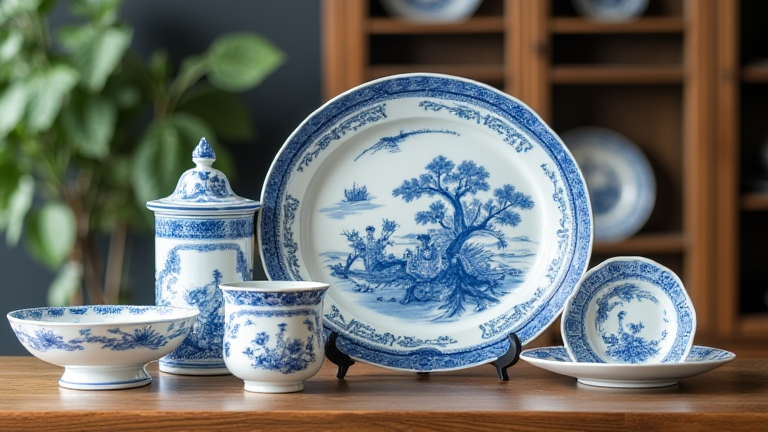
TL;DR: Porcelain has evolved from a rare Chinese imperial luxury into a ubiquitous symbol of refined living and artistic expression. Its legacy defines modern lifestyle choices, influencing everything from the elegance of daily dining ware to the aesthetic value of collectible art pieces.
The Origins of White Gold
To understand porcelain’s place in modern life, one must first appreciate its elusive origins. For centuries, true porcelain, known in China as “bai tao,” was the exclusive domain of emperors. The secret to its unique translucency and resonant sound lay in the specific kaolin clay found in Jingdezhen, a region that remains the global capital of ceramic arts today. This material was not merely functional; it was a status symbol that dictated court etiquette and diplomatic gifts. The journey of porcelain across the Silk Road and later through European maritime trade routes transformed it from a distant curiosity into a highly desired commodity. This initial scarcity created a cultural narrative that still resonates today, where owning high-quality porcelain is associated with sophistication, durability, and a connection to deep historical craftsmanship.
If you want to dig deeper, check out our guide on Porcelain History & Culture: Business Insights & Market Tren.
Dining as a Cultural Ritual
In the context of food and travel, porcelain is far more than a vessel; it is a central player in the dining experience. The shift from rough pottery to fine china marked a revolution in how meals are perceived. The smooth, non-porous surface of porcelain preserves the natural flavors of food and keeps liquids hotter for longer, enhancing the gustatory experience. In many cultures, the act of serving tea or soup in specific porcelain shapes is a ritual that emphasizes mindfulness and hospitality. For the modern traveler, visiting a pottery capital like Jingdezhen or the Limoges region in France offers a unique lifestyle immersion. These trips are not just about shopping; they are educational journeys that allow enthusiasts to understand the kiln-fired transformations and the artisanal techniques that define authentic pieces. Integrating these elements into your home dining routine elevates everyday meals into moments of aesthetic pleasure and cultural appreciation.
Art, Decor, and Personal Growth
From a personal growth perspective, engaging with porcelain culture fosters a deeper appreciation for detail and patience. Collecting porcelain encourages individuals to study history, geology, and art, bridging gaps between disciplines. Whether it is a Ming Dynasty vase or a contemporary minimalist bowl, each piece tells a story of human ingenuity. In home decor, porcelain serves as a versatile accent that can anchor a room’s aesthetic. Its ability to reflect light and its pristine white finish make it a perfect backdrop for modern minimalism or a vibrant contrast in eclectic spaces. Furthermore, the pursuit of authentic pieces teaches discernment and critical thinking. Learning to distinguish between genuine antique porcelain and modern reproductions requires a keen eye and continuous learning, turning a hobby into a lifelong educational journey. This engagement with tangible history provides a grounding sense of continuity in a rapidly changing digital world.
FAQ
Q: What makes Jingdezhen porcelain culturally significant?
A: It is historically significant as the birthplace of true porcelain and remains the center of traditional ceramic craftsmanship, influencing global aesthetic standards for centuries.
Q: How does porcelain affect the taste of food?
A: Its non-porous, smooth surface prevents flavor absorption and maintains optimal temperature, ensuring that the natural taste and temperature of dishes are preserved.
Q: Is collecting porcelain a viable lifestyle investment?
A: Yes, high-quality antique and limited-edition contemporary pieces often appreciate in value, serving as both aesthetic assets and tangible cultural investments.
Leave a Reply