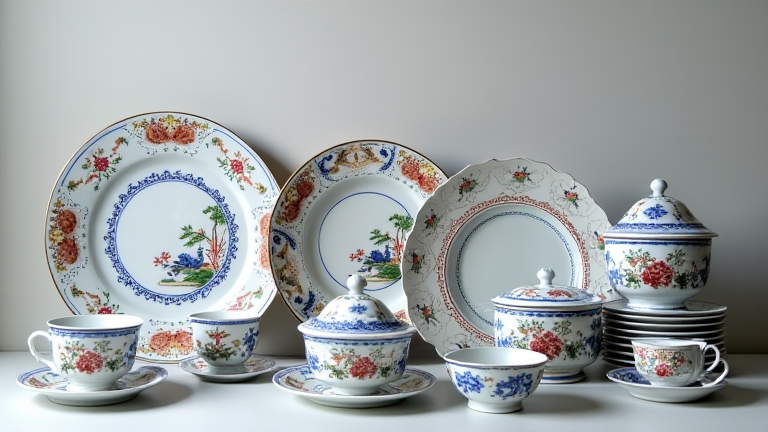
Porcelain History & Culture: A Guide to Fine China
TL;DR: This comprehensive guide explores the evolution of fine china from ancient China to modern European ateliers, highlighting key historical periods and manufacturing techniques. It serves as an essential resource for collectors seeking to understand the cultural significance, material quality, and investment potential of authentic porcelain pieces.
Unveiling the Art of Porcelain
Porcelain is more than just tableware; it is a tangible connection to centuries of artistic innovation and trade. Originating in China during the Han Dynasty, true porcelain—characterized by its translucency, high firing temperature, and vitreous quality—transformed global commerce and aesthetic standards. This guide delves into the rich tapestry of porcelain history, offering readers a deep dive into the technical and cultural milestones that define fine china today. Whether you are a novice collector or a seasoned enthusiast, understanding the nuances of kaolin clay, glaze chemistry, and regional styles is crucial for appreciating the value and beauty of these delicate objects.
If you want to dig deeper, check out our guide on Porcelain History & Culture: A Business Guide.
Feature Highlights: Key Historical Eras
Understanding the distinct periods of porcelain production allows collectors to identify authenticity and provenance. The Song Dynasty (960–1279) produced elegant, minimalist wares with subtle glaze variations, setting the standard for refinement. Later, the Ming Dynasty (1368–1644) introduced the iconic blue-and-white aesthetic, utilizing cobalt pigment imported from Persia, which became a global symbol of luxury. In Europe, the quest to replicate Chinese porcelain led to the development of soft-paste and hard-paste china in the 18th century. Meissen in Germany and Sèvres in France became renowned for their intricate hand-painted designs and robust materials. Each era offers unique feature highlights, from the delicate “rice grain” texture of early English bone china to the bold, colorful patterns of Art Nouveau influences.
Comparing Styles and Materials
When evaluating fine china, comparisons between traditional Chinese export wares and European factory pieces reveal distinct stylistic preferences. Chinese porcelain often emphasizes naturalistic motifs, such as dragons, cranes, and landscapes, reflecting Confucian and Taoist philosophies. In contrast, European porcelain frequently incorporates mythological scenes, floral garlands, and geometric borders, catering to aristocratic tastes. Materially, true porcelain fired at high temperatures (over 1,300°C) is harder and more durable than earthenware or stoneware. Bone china, a British innovation, combines bone ash with kaolin, offering exceptional strength and translucency, making it ideal for everyday luxury use. Collectors should consider both aesthetic appeal and structural integrity when comparing pieces from different origins.
Why This Guide Matters
This article provides a structured framework for navigating the complex world of porcelain. By detailing the historical context and technical specifications, readers can make informed decisions when acquiring or preserving fine china. The cultural narrative surrounding each piece adds depth to its value, transforming a simple object into a historical artifact. Whether you are looking to build a curated collection or simply wish to appreciate the craftsmanship of a dinner set, this guide offers the necessary insights to enhance your understanding and enjoyment.
Call to Action
Ready to deepen your appreciation for fine china? Start by examining the marks on your existing collection. Look for manufacturer stamps, date codes, and decorative motifs that hint at the piece’s origin and era. Consider visiting local antique markets or specialized online galleries to explore authentic pieces from the periods discussed in this guide. Engage with the community of porcelain enthusiasts by joining forums or attending auctions to stay updated on market trends. Your journey into the world of porcelain history is just beginning; embrace the beauty and complexity of this timeless art form.
FAQ
Q: What distinguishes true porcelain from other ceramics?
A: True porcelain is made from kaolin clay and fired at very high temperatures, resulting in a dense, non-porous, and often translucent body that is harder and more durable than earthenware or stoneware.
<p
Leave a Reply