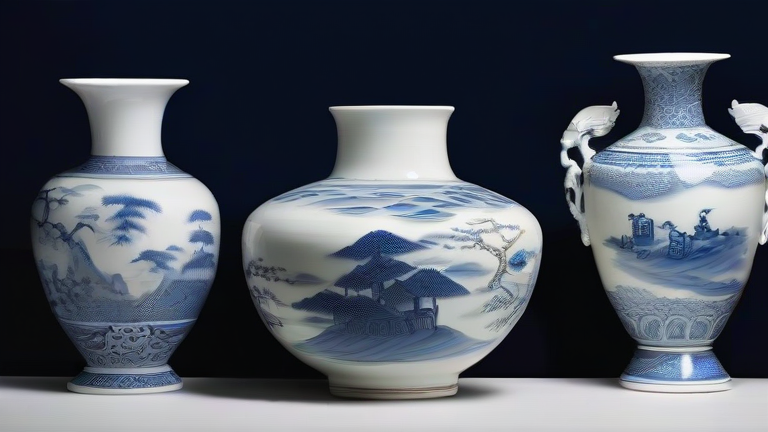
TL;DR: To master porcelain history, begin by studying the distinct eras of Chinese production, specifically the Song and Ming dynasties, which defined global aesthetic standards. Focus on understanding the technical evolution from soft-paste to hard-paste clay and the cultural significance of trade routes that spread these ceramics across the world.
Step 1: Understand the Origins in China
Your journey begins in the kilns of ancient China, where porcelain was first perfected. Start by researching the Tang Dynasty, where the term “porcelain” likely originated from the port city of Canton, known as “Canton ware” in the West. Dive deeper into the Song Dynasty, a golden age for artistic refinement. Learn about the major kilns, such as Ru, Ge, and Guan, which produced highly prized vessels with subtle glazes. Understanding these early origins is crucial because they established the technical and aesthetic foundations that would influence ceramic production for the next millennium. Read primary historical sources or reputable museum catalogs that detail the archaeological findings from these specific periods to grasp the raw materials used, primarily kaolin clay and petuntse.
If you want to dig deeper, check out our guide on Porcelain History & Culture: A Business Guide.
Step 2: Trace the Global Trade Routes
Next, explore how porcelain traveled from China to the rest of the world. Focus on the Silk Road and later, the maritime trade routes managed by the Portuguese and Dutch East India Companies. Study the impact of the “China Trade” on European economies and art. Learn how European artisans attempted to replicate Chinese techniques for centuries before finally discovering the secret of hard-paste porcelain in the early 18th century. This step highlights the cultural exchange, showing how porcelain served as a luxury commodity that shaped diplomatic relations and artistic trends globally. Pay attention to the decorative styles, such as export wares with European motifs, which demonstrate the fusion of Eastern craftsmanship and Western taste.
Step 3: Analyze Technical Innovations
Move beyond aesthetics to understand the science. Compare the composition of traditional Chinese kaolin with the German Meissen recipe, which was the first successful European imitation. Study the firing temperatures and the role of the glaze in achieving the characteristic translucency and durability. Understand the difference between soft-paste and hard-paste porcelain. This technical knowledge helps you appreciate the difficulty of production and the value placed on these objects. Look into modern conservation techniques to understand how museums preserve fragile historical pieces, which adds a layer of respect for the material’s fragility and longevity.
Step 4: Explore Cultural Symbolism
Finally, examine the symbolic meanings attached to porcelain in different cultures. In China, certain colors and patterns represented status, longevity, or harmony. In Europe, porcelain became a symbol of wealth and sophistication, often used in elaborate dining sets that signaled social standing. Study the iconography found on famous pieces, such as the blue and white patterns featuring dragons, phoenixes, or landscapes. This cultural context transforms a simple object into a historical document. By connecting the physical artifact to its social role, you gain a comprehensive view of porcelain’s impact on human civilization.
FAQ
Q: What is the main difference between porcelain and regular ceramic?
A: Porcelain is fired at much higher temperatures, making it denser, whiter, and more translucent than standard earthenware or stoneware.
Q: Why is Meissen porcelain significant in European history?
A: It was the first successful imitation of Chinese hard-paste porcelain, marking the beginning of the European porcelain industry in 1710.
Q: How can beginners identify authentic antique porcelain?
A: Look for maker’s marks, examine the glaze texture under light, and consult expert guides on the specific characteristics of different dynasties and factories.
Leave a Reply