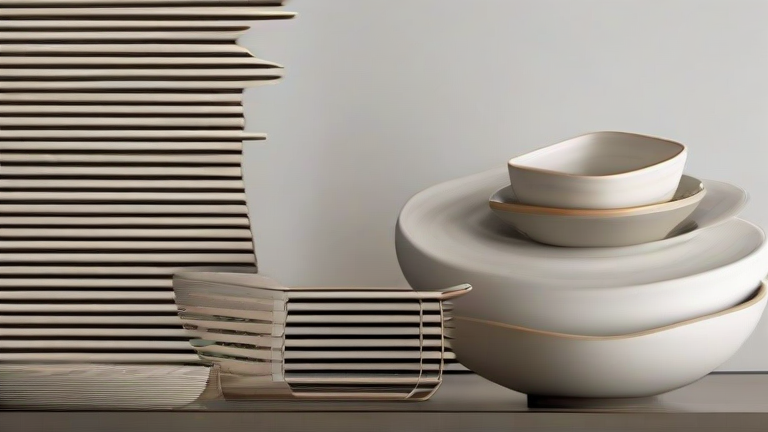
TL;DR: Porcelain is not merely a material for tableware but a cultural artifact that has defined global trade routes and artistic evolution for over a millennium. Understanding its history reveals how a simple blend of kaolin and quartz became a symbol of sophistication, influencing everything from imperial Chinese courts to modern European design studios.
The Origins of White Gold
For centuries, Europe chased the secret behind China’s “white gold.” Porcelain, known in the West as “china,” emerged from the kilns of Jingdezhen in the late Tang Dynasty. Unlike earthenware, true porcelain is vitrified, creating a body that is translucent, resonant when tapped, and impervious to water. This durability and aesthetic purity made it the ideal vessel for tea, a beverage that would soon become central to diplomatic and social rituals across the globe. The early export of these pieces established some of the first major global supply chains, linking distant civilizations through a shared appreciation for refined craftsmanship.
If you want to dig deeper, check out our guide on Porcelain History: How Business Shaped China’s Cultural Icon.
European Emulation and Industrial Revolution
When European chemists finally cracked the code in the eighteenth century, particularly in Meissen, Germany, the dynamic shifted. The birth of hard-paste porcelain in Europe was not just a technical victory; it was a cultural statement of independence from Asian dominance. Factories in Sèvres, England, and beyond began producing porcelain that rivaled or even surpassed Chinese exports in decorative complexity. This era saw porcelain become a canvas for Enlightenment art, with neoclassical designs, botanical motifs, and historical scenes adorning vases and figurines. The material became a marker of social status, with distinct patterns signaling ownership, lineage, and taste. To own a specific pattern was to participate in a visual language understood by the elite, turning dinnerware into a form of social communication.
Porcelain in Modern Lifestyle and Travel
Today, the appreciation for porcelain has moved beyond the display cabinet into the daily rituals of food and travel. For the modern traveler, visiting a ceramic village or a historic factory is as compelling as touring a museum. In Kyoto, the delicate kilnware offers a meditative contrast to the bustling city, while in Limoges, France, one can witness the precision of modern industrial craftsmanship. Food enthusiasts now seek out local ceramicists who blend traditional techniques with contemporary aesthetics, creating plates that enhance the dining experience. A handmade bowl holds more than soup; it holds the narrative of the maker’s hand and the region’s geological heritage. This shift towards “slow living” encourages consumers to value the imperfections and unique glazes of hand-thrown pieces over mass-produced uniformity.
Personal Growth Through Creation
Engaging with porcelain culture offers a unique pathway for personal growth. Pottery, the precursor to porcelain, is often cited as a therapeutic practice that requires patience, humility, and mindfulness. The process of centering clay on a wheel teaches one to find balance amidst movement, a metaphor that resonates deeply in personal development. Even those who do not create can find value in studying the history of glazes and forms. Learning to identify different styles, from the cobalt blue of the Ming dynasty to the delicate transferware of the Victorian era, cultivates a sharper eye for detail and history. It transforms everyday objects into objects of study, fostering a sense of connection to the past and a deeper appreciation for the tangible world. In a digital age, the tactile nature of ceramic art grounds us, reminding us of the enduring human desire to shape the earth into beauty.
FAQ
Q: What makes porcelain different from regular ceramic?
A: Porcelain is made from a specific type of clay called kaolin and is fired at much higher temperatures, resulting in a harder, denser, and translucent material that rings like a bell when tapped.
Q: Can I bring antique porcelain through airport security?
A: Yes, you can, but it is highly recommended to pack them securely in your checked luggage with ample cushioning, as carry-on scanners may flag dense objects and handling during security checks can be rough.
Q: How should I care for vintage
Leave a Reply