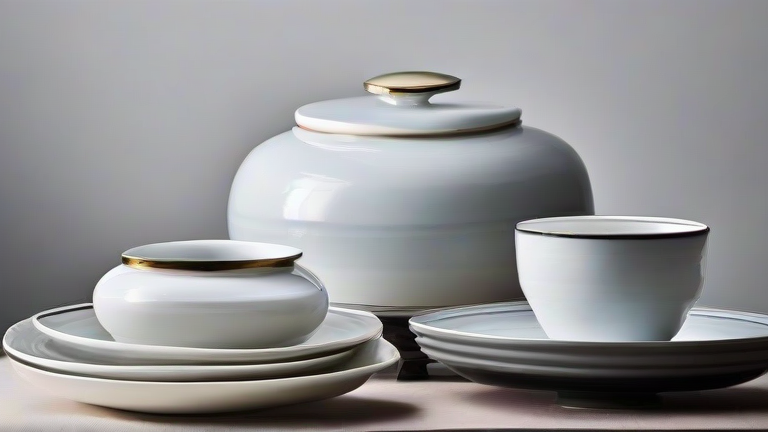
Porcelain History & Culture: A Guide to Timeless Lifestyle
TL;DR: Porcelain is not merely a material but a cultural artifact that bridges centuries of art, trade, and craftsmanship. Integrating these timeless pieces into modern living elevates daily rituals into mindful experiences of beauty and heritage.
The Origins of White Gold
Often referred to as “white gold,” porcelain has captivated humanity for over a thousand years. Its origins are deeply rooted in China, where alchemists searching for the elixir of life accidentally discovered the secret to firing kaolin clay at extremely high temperatures. This breakthrough created a material that was not only durable but also possessed a unique translucency and purity. For centuries, this knowledge was closely guarded, making porcelain an exclusive luxury reserved for emperors and the elite. The subsequent global trade of Chinese porcelain sparked a cultural revolution across Europe, influencing art, fashion, and interior design. Today, understanding this history allows us to appreciate the profound value embedded in every piece we own.
Global Influences and Artistic Evolution
As porcelain traveled the Silk Road and maritime routes, it inspired local artisans to develop their own unique styles. In Japan, the concept of wabi-sabi emerged, embracing the imperfections and the quiet beauty of the handmade. Dutch Delftware and English bone china followed, each adding distinct aesthetic qualities that reflected their respective cultural values. These variations offer a rich palette for modern lifestyle choices. Whether you prefer the bold blue and white patterns of traditional Chinese export ware or the minimalist elegance of contemporary Japanese ceramics, each choice tells a story. Engaging with these styles encourages a deeper connection to global craftsmanship and the artisans who preserve these ancient techniques. It transforms a simple dinner plate or tea cup into a vessel of historical narrative and artistic expression.
Integrating Porcelain into Modern Living
Incorporating porcelain into your daily life is an act of mindful curation. It begins with the dining table, where using fine china for everyday meals elevates the act of eating into a ritual of gratitude and presence. The tactile sensation of cool, smooth porcelain in your hands can anchor you in the moment, slowing down the pace of a busy day. Beyond dining, porcelain objects such as vases, sculptures, and decorative boxes serve as focal points in interior design. They bring a sense of order and sophistication to any space. Caring for these items also fosters a personal growth mindset. The responsibility of handling delicate objects encourages patience, attention to detail, and respect for materials. It is a gentle reminder that true luxury lies not in excess, but in the quality and story of the objects that surround us.
The Mindful Ritual of Tea
Perhaps no lifestyle practice better embodies the spirit of porcelain than the tea ceremony. In many Asian cultures, the selection of the teacup is as important as the tea itself. The shape, thickness, and glaze of the cup influence the temperature and flavor of the beverage. Engaging in this ritual promotes relaxation and mental clarity. It is a time to disconnect from digital noise and reconnect with the senses. By choosing a porcelain cup that resonates with your personal taste, you create a daily anchor for mindfulness. This small act of intentionality can have a profound impact on well-being, fostering a sense of calm and appreciation for the simple pleasures of life. It is a testament to the enduring power of porcelain to enhance human experience.
FAQ
Q: Why is porcelain considered more valuable than stoneware?
A: Porcelain requires higher firing temperatures and specific raw materials like kaolin, making it more translucent, durable, and less porous than stoneware, which adds to its aesthetic and functional premium.
Q: How should I care for antique porcelain pieces?
A: Handle with clean hands, avoid sudden temperature changes, and use mild soap with lukewarm water for cleaning, ensuring each piece is dried thoroughly to prevent water spots or damage.
Q: Can modern technology replicate traditional hand-thrown porcelain?
A: While industrial methods can mimic the look, they often
Leave a Reply