TL;DR: Explore the 2,000-year journey of porcelain from ancient Chinese kilns to global cultural icons. Learn how to identify, appreciate, and care for these fragile masterpieces by understanding their historical context and regional styles.
Understanding the Origins
Begin your journey by studying the Tang Dynasty (618–907 AD), where true porcelain was first perfected in China. Unlike earthenware, porcelain is fired at extremely high temperatures, creating a vitrified, translucent body. Research the “Longquan” and “Jingdezhen” kilns, which became the heart of the industry. Understanding this distinction is crucial for any beginner. You will learn to recognize the white, fine-grained texture that defines the material. This historical foundation provides the necessary context for evaluating later pieces. Without this baseline knowledge, distinguishing between genuine porcelain and lower-fired stoneware becomes nearly impossible for the untrained eye.
If you want to dig deeper, check out our guide on Porcelain History: 10 Tech Secrets Behind China’s Royal Craf.
Identifying Regional Styles
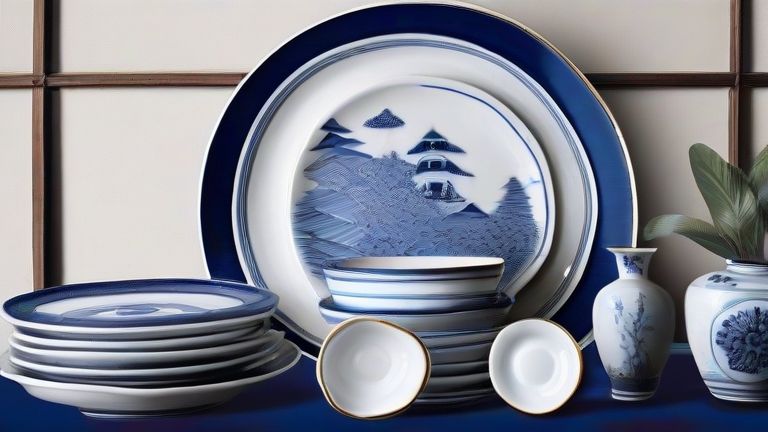
Next, differentiate between major production regions, as each offers distinct aesthetic qualities. Chinese porcelain is famous for its blue-and-white underglaze patterns, often featuring dragons or landscapes. Japanese porcelain, such as Arita ware, developed unique iron-rich clay bodies that burn in various colors. European porcelain, pioneered in Meissen and Sèvres, focuses on delicate floral motifs and gold trim. When examining a piece, look for the mark or signature on the base. These identifiers help you trace the object’s origin. Pay close attention to the glaze finish, as each region developed unique techniques over centuries. This step helps you build a visual vocabulary for authentic pieces.
Caring for Your Collection
Proper preservation ensures your items last for generations. Handle porcelain only by the body, never the handle or foot, to prevent stress fractures. Use soft, lint-free cloths for dusting, and avoid harsh chemical cleaners that can damage the glaze. If a piece breaks, store all shards in a padded container and consult a professional conservator. Do not attempt amateur repairs with standard glue. Display items in stable environments, away from direct sunlight and humidity fluctuations. These conditions prevent “crazing,” a network of fine cracks in the glaze. Regular, gentle maintenance keeps the luster intact and preserves the cultural value of the artifact.
Deepening Cultural Appreciation
Finally, connect your physical collection to broader historical narratives. Read about the Silk Road, which facilitated the spread of porcelain to the Middle East and Europe. Understand how porcelain influenced fashion, dining etiquette, and diplomatic relations between empires. Visit museums to see pieces in context, comparing them with contemporary art and daily life objects. This holistic approach transforms simple decoration into a profound cultural experience. It allows you to appreciate the labor, artistry, and geopolitical significance behind every plate and vase.
FAQ
Q: What is the main difference between porcelain and ceramic?
A: Porcelain is a specific type of ceramic made from kaolin clay and fired at higher temperatures, resulting in a harder, denser, and more translucent material.
Q: How can I tell if my porcelain is antique?
A: Look for maker’s marks, specific glaze colors, and wear patterns consistent with age, but always consult a certified appraiser for accurate dating and valuation.
Q: Is all Chinese porcelain valuable?
A: Not necessarily; value depends on the dynasty, rarity, condition, and specific artistic style, with Ming and Qing dynasty pieces often commanding the highest prices.
Leave a Reply