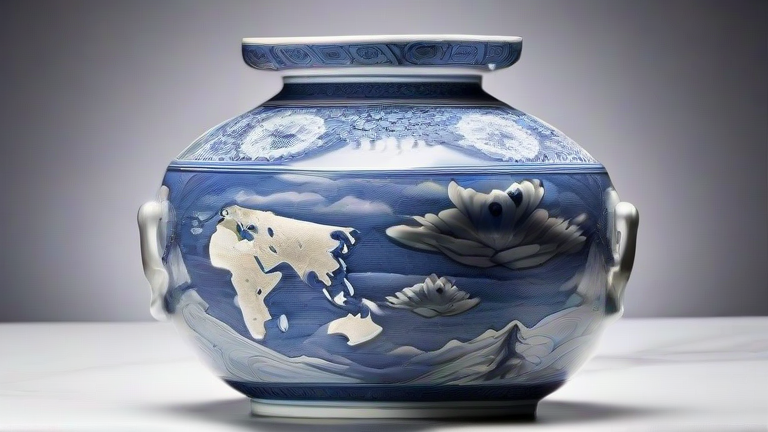
Porcelain’s Global Journey: How Trade Shaped Art, Wealth & Modern Business
TL;DR: Porcelain’s global journey transformed from exclusive imperial luxury to a mass-market commodity, fundamentally shaping modern supply chains and consumer branding strategies. This historical trade dynamic reveals that high-value cultural products drive economic shifts by establishing brand heritage and premium pricing power.
Market Analysis: From Rarity to Mass Luxury
The porcelain market has evolved dramatically over centuries. Initially, Chinese porcelain was a high-value, low-volume export, commanding prices equivalent to silver in Europe. The discovery of kaolin clay in Europe, particularly in Meissen, Germany, in the early 18th century, began to democratize access. Today, the global fine ceramics market is valued in the billions, split between functional tableware and high-end art collectibles. Modern market analysis indicates a resurgence in interest for “slow luxury” items. Consumers are increasingly willing to pay premiums for pieces that tell a story, linking back to the artisanal roots of porcelain production. This shift signals a move away from purely functional utility toward aesthetic and historical value, creating a dual-market structure of affordable daily use and exclusive collector’s items.
If you want to dig deeper, check out our guide on Porcelain History: Unveiling the Art, Culture, and Lifestyle.
Strategy Insights: Branding and Supply Chain Resilience
Businesses today can draw profound strategic lessons from the historical porcelain trade. First, brand heritage is a critical differentiator. Brands like Wedgwood and Royal Doulton leverage centuries of history to justify premium pricing, a tactic that modern luxury goods companies emulate. Second, supply chain management is paramount. The historical difficulty of transporting fragile goods across oceans led to the development of specialized packaging and logistics solutions. Modern businesses must ensure supply chain resilience to protect high-value, fragile products. Furthermore, the historical monopoly held by Chinese kilns teaches the importance of intellectual property and production secrecy. Companies must protect their manufacturing processes and design innovations to maintain competitive advantage in a globalized market.
Case Studies: Learning from the Past
Consider the rise of Meissen. By successfully copying Chinese blue-and-white designs and then innovating with their own aesthetic, Meissen established a distinct European identity. This case study highlights the importance of localization and innovation within global trade. Another relevant example is the modern resurgence of Japanese Raku ware. By focusing on the imperfection and handmade nature of the product, Japanese artisans have carved out a niche in the global market, appealing to consumers seeking authenticity. These cases demonstrate that while technology and scale are important, the cultural narrative and perceived authenticity of a product are often the true drivers of long-term profitability and brand loyalty in the art and culture product sector.
FAQ
Q: Why was porcelain so valuable in the 16th century?
A: It was valued because the production process was a closely guarded secret in China, making it rare and difficult to replicate in Europe.
Q: How did the porcelain trade influence modern logistics?
A: The need to transport fragile goods safely across long distances drove early innovations in packaging, insurance, and maritime trade routes.
Q: Can modern businesses still learn from porcelain history?
A: Yes, by focusing on brand heritage, product authenticity, and robust supply chain management for high-value, fragile goods.
Leave a Reply