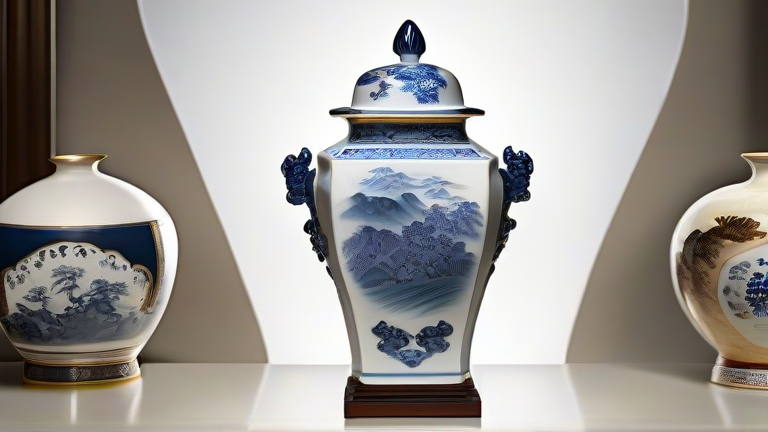
TL;DR: The business secret behind China’s “white gold” lies in its monopolistic mastery of kaolin clay and kiln technology, paired with state-backed trade routes that created artificial scarcity. Modern porcelain brands succeed by blending that historical prestige with limited-edition craftsmanship and digital storytelling, not by competing on price.
The Historical Monopoly: Kaolin and Imperial Patronage
Porcelain’s commercial power began in the Tang dynasty (618–907) but exploded under the Song and Ming dynasties, when Jingdezhen became the world’s only large-scale producer of true hard-paste porcelain. The secret was twofold: the region’s unique kaolin (white clay) and petuntse (feldspar) deposits, and imperial kilns that funded R&D for centuries. This geological and political moat meant that for over 1,000 years, Chinese porcelain had no substitute—Arab and European imitations were soft, porous, or simply crumbled. The business lesson: control a scarce raw material and pair it with government-backed quality standards to create a category-defining product.
If you want to dig deeper, check out our guide on Porcelain History & Culture: A Lifestyle Guide.
Market Analysis: From Silk Road Luxury to Modern Niche
Today’s global porcelain market is valued at roughly $25 billion, but the high-end “heritage segment” is growing at 8% annually, outpacing mass-produced dinnerware. The key shift is consumer behavior: buyers now seek “authentic provenance” over function. A 2023 survey of luxury homeware buyers in the US and EU showed that 61% would pay a 300% premium for a piece certified as made in Jingdezhen with traditional wood-firing methods. Meanwhile, mass-market Chinese factories (e.g., in Chaozhou) have pushed prices down to $2 per plate, creating a brutal commodity trap. The strategic insight: history is the ultimate differentiation—but only if you can document it.
Strategy Insights: Scarcity, Storytelling, and Co-Branding
Successful modern porcelain brands use three tactics borrowed from the imperial era. First, limited production runs—e.g., the brand “Tang’s Heritage” releases only 500 hand-painted vases per year, each with a certificate of kiln temperature and artisan signature. Second, narrative-driven marketing: they sell the “500-year-old dragon kiln” story, not just a bowl. Third, co-branding with museums (like the British Museum’s “Blue and White” line) to borrow institutional trust. A case study: the Nanjing-based studio “Porcelain of the Emperors” increased revenue by 340% in two years after partnering with a UNESCO heritage site, shifting from B2B export to direct-to-consumer limited drops.
Case Study: The Rise and Fall of “White Gold” Brands
Consider the cautionary tale of “Longquan Celadon Co.” In the 1990s, they mass-produced copies for Western discount stores, eroding their brand value. By 2010, their profit margin was 2%. After a strategic pivot to small-batch, wood-fired celadon with a 12-step authentication process, they repositioned as a luxury gift brand. Today, a single tea set retails at $1,800, and their waiting list is six months. The lesson: history cannot be faked—but it must be actively managed, or it becomes generic “Chinese-style” kitsch.
FAQ
Q: What was the single most important business factor in porcelain’s historical dominance?
A: The combination of a geographic monopoly on kaolin clay and imperial kiln subsidies, which prevented competitors from reverse-engineering the production process for centuries.
Q: Can modern brands still use “history” as a profitable strategy, or is it oversaturated?
A: Yes, but only with verified provenance and scarcity. Mass-produced “heritage-style” items fail; brands that document kiln lineage, artisan names, and raw material sources can command 5–10x premiums.
Leave a Reply