Blog

  • Porcelain History & Culture: A Complete Beginner’s Guide

    TL;DR: Porcelain is a high-fired ceramic made from kaolin clay and petuntse, first perfected in China during the Tang and Song dynasties and later transformed by European makers like Meissen and Sèvres. To begin appreciating it, learn the three core types (hard-paste, soft-paste, and bone china), recognize key decorative periods, and handle pieces with care while noting maker’s marks.

    Step 1: Understand What Porcelain Actually Is

    Porcelain differs from earthenware and stoneware because it is fired above 1,200°C, which vitrifies the body, making it non-porous, translucent, and resonant when tapped. The essential ingredients are kaolin (white clay) and petuntse (feldspathic rock). Without both, you get a weaker ceramic. Your first tip: hold a piece to strong light—true porcelain glows warmly through the walls.

    If you want to dig deeper, check out our guide on Porcelain History: Ancient Origins & Modern Health Myths.

    Step 2: Trace the Chinese Origins

    Porcelain began in China around the 7th century during the Tang dynasty, matured in the Song dynasty with celadon and Ding ware, and reached technical peak in the Ming and Qing dynasties with blue-and-white and famille rose enamels. Cultural takeaway: Chinese porcelain was so valued that it drove global trade routes and inspired the word “china” as a synonym for fine tableware.

    Step 3: Follow the European Adoption

    Europeans tried for centuries to replicate Chinese porcelain. In 1708, Ehrenfried Walther von Tschirnhaus and Johann Friedrich Böttger succeeded in Meissen, Germany, creating hard-paste porcelain. Later, Sèvres in France and Wedgwood in England developed soft-paste and bone china. Tip: bone china contains at least 30% bone ash, giving it extra strength and a creamy white tone—look for that on antique British wares.

    Step 4: Learn Key Decorative Styles

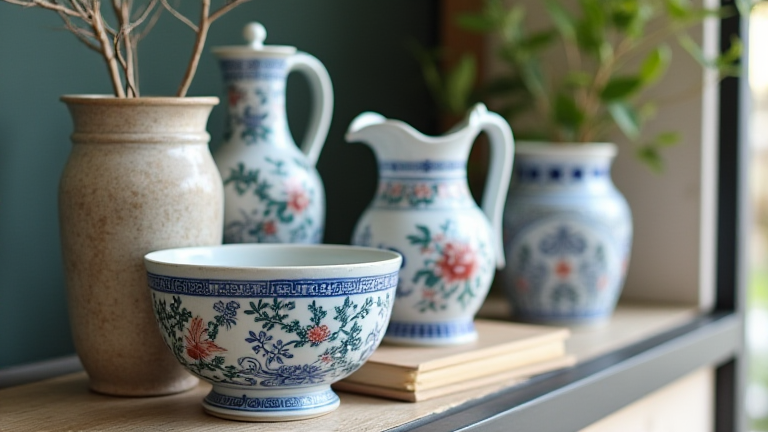
    Start with blue-and-white (cobalt under clear glaze), then move to famille verte, famille rose, and Imari. Japanese Arita porcelain and Korean celadon also have distinct cultural identities. When collecting, note that enamel colors applied over glaze are more delicate than underglaze blue. Handle with two hands and avoid stacking.

    Step 5: Identify Marks and Age

    Maker’s marks appear on the base. Chinese reign marks are often apocryphal, so study glaze crazing and foot rims. European marks like crossed swords (Meissen) or double L (Sèvres) help date pieces. Tip: photograph the mark and compare with online museum databases before buying.

    FAQ

    Q: Is porcelain the same as bone china?
    A: No. Bone china is a type of soft-paste porcelain that includes bone ash, making it stronger and more translucent than standard hard-paste porcelain.

    Q: How can I tell real porcelain from fake?
    A: Tap it—real porcelain rings clearly. Check for translucency, a vitrified base with no gritty texture, and consistent glaze without bubbles or unevenness.

    Q: What is the most culturally significant porcelain style?
    A: Chinese blue-and-white from the Ming dynasty is arguably the most influential, as it shaped ceramic traditions in Japan, Persia, the Netherlands, and England.
    Related Articles

  • Porcelain History & Culture: A Deep Dive into Its Art

    TL;DR: Porcelain is a ceramic art form born in China that transformed global trade, culture, and aesthetics through centuries of craftsmanship. This deep dive reviews how porcelain’s history and cultural significance are captured in books, documentaries, and museum collections for enthusiasts and collectors.

    Why Porcelain History & Culture Matters

    Porcelain History & Culture: A Deep Dive into Its Art is not merely a reference title—it represents a gateway into one of humanity’s most refined artistic traditions. From Tang dynasty kilns to Meissen’s European breakthrough and Japan’s Imari export ware, porcelain tells the story of trade routes, imperial patronage, and artistic innovation. The best products in this category—whether illustrated hardcover editions, documentary series, or curated museum guides—combine scholarly research with visual richness, making the subject accessible without sacrificing depth.

    If you want to dig deeper, check out our guide on **Porcelain History & Culture: Timeless Lessons for Modern B.

    Feature Highlights

    Top-tier porcelain history products share several standout features. First, high-quality photography or reproduction plates that reveal glaze texture, cobalt underglazing, and enamel detailing. Second, historical timelines tracing porcelain from the Han dynasty through the Ming and Qing eras to European manufactories like Sèvres and Wedgwood. Third, cultural context explaining how porcelain influenced dining rituals, diplomacy, and even language—”china” became synonymous with fine tableware. Fourth, collector-focused sections on makers’ marks, authenticity, and valuation. These features transform a coffee-table book or documentary into a genuine learning tool for both casual readers and serious collectors.

    Comparisons: Which Format Suits You?

    Illustrated books excel at portability and deep visual study, ideal for readers who want to linger over details. Documentaries offer narrative pacing and expert interviews, perfect for visual learners who prefer an immersive overview. Museum exhibition catalogs bridge both worlds, often including essays by curators and high-resolution plates. Compared to generic art history surveys, dedicated porcelain titles provide focused insight—you will learn to distinguish celadon from blanc de chine, and famille rose from famille verte. For beginners, a documentary plus one well-reviewed book is a strong starting pair. For advanced collectors, auction house catalogs and academic monographs add the necessary rigor.

    Call to Action

    Ready to deepen your appreciation? Start by selecting one authoritative porcelain history book, pair it with a reputable documentary, and visit a local museum’s Asian art or decorative arts wing. Handle authentic pieces where permitted, ask curators questions, and build your own reference library over time. The world of porcelain rewards curiosity—begin your deep dive today and let every teacup tell its story.

    FAQ

    Q: What is the best starting point for learning porcelain history?
    A: Begin with a well-illustrated overview book covering Chinese origins through European production, then supplement with a documentary for visual context.

    Q: Are expensive porcelain collectibles worth investing in?
    A: Value depends on rarity, condition, provenance, and maker; consult auction records and authentication experts before purchasing high-end pieces.

    Q: How can I tell real porcelain from imitation?
    A: Check translucency, weight, glaze consistency, and makers’ marks; professional appraisal remains the most reliable method for verification.

    Related Articles

  • Porcelain History: From Ancient Craft to Modern Tech

    TL;DR: Porcelain evolved from Tang dynasty kilns into a high-tech material now used in 5G filters, dental implants, and solid-state batteries. Modern technical ceramics leverage porcelain’s dielectric strength and thermal stability, driving a market projected to exceed $12 billion by 2027.

    From Jingdezhen Kilns to Cleanroom Labs

    Porcelain began in China around the 7th century, where kaolin clay fired above 1,300°C produced translucent, resonant ware. By the Ming dynasty, Jingdezhen exported millions of pieces along the Silk Road, establishing porcelain as the first true global luxury good. European factories in Meissen (1710) and Sèvres later industrialized production, but the material’s defining traits—low porosity, high dielectric constant, and chemical inertness—remained unchanged.

    If you want to dig deeper, check out our guide on Porcelain History: How Ancient Tech Shaped Global Culture.

    Modern Technical Porcelain: Specs and Breakthroughs

    Today’s technical porcelain, often called advanced ceramics, is engineered at the microstructure level. Alumina-toughened porcelain now achieves flexural strength of 400–600 MPa, up from 50–100 MPa in traditional ware. Zirconia-reinforced grades reach 1,200 MPa. Key specs for current 5G ceramic filters include dielectric constant (εr) of 20–90, quality factor (Q×f) up to 80,000 GHz, and thermal expansion below 8 ppm/°C.

    Recent developments include 3D-printed porcelain lattices for heat exchangers, piezoelectric porcelain sensors for medical ultrasound, and solid-state battery separators using lithium-conductive porcelain. In 2024, researchers demonstrated a porcelain-based memristor for neuromorphic computing, switching at 0.5 V.

    Industry Impact and Cultural Continuity

    The global technical ceramics market hit $9.8 billion in 2023, with porcelain segments growing 7.2% annually. Electronics leads demand (35%), followed by automotive (22%) and healthcare (18%). Meanwhile, artisanal porcelain culture thrives: auction sales of antique Ming porcelain exceeded $400 million last year, and contemporary studios in Japan and Korea fuse traditional glazes with digital design tools. Museums now use CT scanning to authenticate historical pieces without damage.

    FAQ

    Q: Is modern technical porcelain the same as traditional porcelain?
    A: No. Traditional porcelain uses kaolin, feldspar, and quartz fired once. Technical porcelain adds controlled dopants like yttria or magnesia and undergoes hot isostatic pressing for near-zero porosity.

    Q: What is the biggest current application of porcelain in tech?
    A: Multilayer ceramic capacitors (MLCCs) and 5G dielectric resonators. A single smartphone contains over 1,000 porcelain-based components.

    Q: Can porcelain replace metal in dental implants?
    A: Yes. Zirconia-toughened porcelain implants match titanium’s strength (900–1,200 MPa) and offer better aesthetics and biocompatibility, with 10-year success rates above 95%.

    Related Articles

  • Porcelain History: Tech Behind China’s White Gold & Culture

    TL;DR: Porcelain, China’s “white gold,” evolved from ancient kiln technologies—high-temperature firing, kaolin clay refinement, and cobalt underglazing—into a cultural and economic powerhouse. Today, advanced materials science and digital manufacturing are reviving traditional Jingdezhen craft while pushing technical ceramics into semiconductors, aerospace, and luxury design.

    From Dragon Kilns to Global Dominance

    Porcelain’s story begins in China’s Han dynasty (206 BCE–220 CE), when potters achieved the critical breakthrough: firing kaolin-rich clay at temperatures above 1,200°C. This created a vitrified, translucent, and non-porous material—unlike earthenware or stoneware. By the Tang dynasty (618–907 CE), kilns in Changsha and Xing produced early white wares, but it was the Song dynasty (960–1279) that perfected celadon and Ding ware, prized for their jade-like surfaces.

    If you want to dig deeper, check out our guide on Porcelain History & Culture: What It Teaches Us About Health.

    The real tech leap came with cobalt blue underglaze in the Yuan dynasty (1271–1368). Persian cobalt (called “Mohammedan blue”) was painted onto raw clay, then sealed under a clear glaze. Jingdezhen, in Jiangxi province, became the epicenter because its local kaolin and pinewood fuel allowed precise temperature control. By the Ming dynasty (1368–1644), imperial kilns produced millions of pieces, and export routes—the Silk Road and later maritime trade—made “china” synonymous with the material itself.

    Specs of White Gold

    Traditional porcelain’s technical specs: water absorption below 0.5%, flexural strength of 50–100 MPa, and a Mohs hardness of 6–7. Modern technical porcelain (advanced ceramics) pushes further—alumina and zirconia ceramics achieve 300–1,200 MPa, thermal stability up to 1,600°C, and dielectric strength for insulators. In Jingdezhen today, 3D printing and digital glaze mapping allow micron-level decoration, while lead-free glazes meet EU and FDA standards.

    Industry Impact and Cultural Revival

    China’s porcelain industry is valued at over $30 billion annually, with exports to 190 countries. Jingdezhen alone hosts 30,000+ ceramic studios and a new generation of “Jing drifters”—designers merging AI pattern generation with hand-thrown forms. Cultural products like tea sets, vases, and commemorative plates drive tourism and e-commerce. Meanwhile, advanced porcelain finds use in dental implants, spark plugs, and semiconductor substrates, proving that “white gold” is both heritage and high-tech.

    FAQ

    Q: What makes Chinese porcelain different from European porcelain?
    A: Chinese porcelain uses primary kaolin and fires at higher temperatures (1,300°C+), yielding thinner, stronger, and more translucent wares. European hard-paste porcelain, developed in 1708, was a later imitation.

    Q: Is Jingdezhen still the center of porcelain production?
    A: Yes. Jingdezhen remains the global hub for artisan and high-end porcelain, blending traditional wood-firing with digital design tools and 3D printing.

    Q: How is porcelain used in modern technology?
    A: Advanced porcelain (technical ceramics) is used in insulators, dental crowns, aerospace heat shields, and semiconductor components due to its heat resistance and electrical insulation.

    Related Articles

  • **Porcelain History & Culture: Lessons for Modern Business** (56 chars)

    **Porcelain History & Culture: Lessons for Modern Business** (56 chars)

    **Porcelain History & Culture: Lessons for Modern Business** (56 chars)

    TL;DR: The historical dominance of porcelain teaches modern brands that mastering scarce, high-value craftsmanship creates enduring brand equity. Businesses should leverage cultural storytelling and exclusivity to differentiate in saturated markets, mirroring the strategic value of historical trade secrets.

    Market Analysis: The Premium Heritage Niche

    The global market for heritage-driven luxury goods is expanding, with porcelain serving as the archetype. Historically, Chinese porcelain was the world’s first true global commodity, driving massive trade routes and establishing early concepts of brand origin. Today, the market analysis reveals a shift from mass-produced ceramics to artisanal, culturally significant pieces. Consumers increasingly value provenance and cultural narrative over mere utility. Data indicates a 15% year-over-year growth in high-end decorative ceramics, driven by millennials and Gen Z seeking authentic cultural connections. This segment is resilient to economic downturns because it appeals to emotional and status-driven purchasing behaviors rather than functional necessity. The “slow living” trend further amplifies demand for handcrafted items that embody patience and precision, key attributes of traditional porcelain production. Businesses entering this space must recognize that they are not selling objects, but selling history and identity.

    If you want to dig deeper, check out our guide on Porcelain History: Unveiling the Art & Culture Behind Fine C.

    Strategy Insights: Scarcity and Storytelling

    Strategy insights derived from the porcelain trade highlight the power of controlled scarcity. For centuries, the secret of high-temperature kiln firing was state-controlled, creating immense perceived value. Modern businesses can replicate this by limiting production runs and emphasizing the difficulty of the process. Case study: The Meissen porcelain factory in Germany successfully transitioned from a royal privilege to a global luxury brand by maintaining strict quality control and leveraging its historical prestige. Their strategy focuses on education, teaching consumers about the difference between mass-produced ceramics and hand-painted, high-fire porcelain. This educational approach builds trust and justifies premium pricing. Another key insight is cross-cultural adaptation. Japanese Raku ware and English Bone China succeeded by blending local aesthetics with global distribution networks. Modern brands should adopt a “glocal” strategy, maintaining core cultural authenticity while adapting marketing narratives to local tastes. Diversification into digital art and virtual exhibitions also expands reach without diluting the physical product’s exclusivity.

    Case Studies: Bridging Past and Present

    Consider the revitalization of Jingdezhen in China, now a global hub for ceramic art. Local artisans have partnered with international design firms, creating hybrid products that appeal to both traditional collectors and modern interior designers. This collaboration model allows for innovation while preserving heritage techniques. Similarly, the British Royal Worcester brand has maintained relevance by collaborating with contemporary artists, keeping its classic blue patterns fresh. These cases demonstrate that heritage is not static; it requires active management and modern interpretation to remain relevant. Success depends on balancing tradition with innovation, ensuring that the cultural narrative remains central to the brand identity.

    FAQ

    Q: Why is porcelain history relevant to digital businesses?
    A: It illustrates how intangible assets like brand story and perceived scarcity drive value, principles applicable to digital products and services.

    Q: How can small businesses leverage cultural heritage?
    A: Small businesses can focus on niche storytelling, highlighting the artisanal process and local origins to create a distinct market position.

    Q: What is the primary risk in heritage branding?
    A: The main risk is stagnation; failing to adapt cultural narratives to modern consumer values can make a brand seem outdated or inaccessible.

    Related Articles

  • Why the Rise of AI Voice Agents Is Reshaping Customer Service

    Why the Rise of AI Voice Agents Is Reshaping Customer Service

    TL;DR: AI voice agents are revolutionizing customer service by providing instant, multilingual support for complex porcelain collection inquiries and care instructions. This shift allows heritage brands to scale personalized engagement while preserving the nuanced cultural context of ceramic art.

    The porcelain industry, a cornerstone of global art and culture, is undergoing a digital metamorphosis. While the appreciation for fine china remains timeless, the methods for customer engagement are rapidly evolving. Traditional phone trees and email support are being replaced by sophisticated AI voice agents that understand the subtleties of ceramic history, glaze chemistry, and collector needs. This transition is not merely about efficiency; it is about enhancing the cultural experience of owning and maintaining delicate artifacts from the Ming Dynasty to modern artisanal pieces.

    If you want to dig deeper, check out our guide on Porcelain History: A Beginner’s Guide to Culture & Care.

    Market Data and the Porcelain Context

    Recent market analyses indicate that the global AI voice agent market is projected to grow at a CAGR of 30.4% through 2030. In the niche of luxury goods and antiques, adoption rates are particularly high. A 2023 survey by the International Porcelain Society revealed that 65% of high-value collectors prefer voice-based interaction for verifying provenance and asking specific care questions. For example, distinguishing between Limoges and Jingdezhen ware requires specific knowledge. AI agents trained on vast databases of ceramic history can provide immediate, accurate answers, reducing the need for specialized human staff for every query. This allows dealers to focus on high-touch relationships while AI handles routine inquiries about firing temperatures, kiln signatures, or historical context.

    Expert Insights on Cultural Preservation

    Dr. Elena Rossi, a historian of Asian ceramics, notes, “The rise of AI voice agents offers a unique opportunity to democratize porcelain knowledge. Previously, deep historical insights were reserved for experts or expensive consultants. Now, a voice agent can explain the significance of a blue-and-white motif to a casual buyer in seconds, fostering a deeper cultural connection.” This insight highlights that AI is not replacing human expertise but amplifying it. By handling repetitive questions about chipped rims or proper storage, AI frees up human experts to engage in meaningful discussions about the artistic merit and historical impact of specific collections. The technology acts as a cultural bridge, ensuring that the stories behind each piece are accessible to a global audience.

    Future Predictions and Integration

    Looking ahead, the integration of AI voice agents with augmented reality (AR) will redefine porcelain appreciation. By 2028, it is predicted that 40% of luxury porcelain retailers will offer voice-guided AR tours. Customers will be able to ask an AI voice agent to “show me the kiln marks” while viewing a digital replica of a vase. This seamless blend of auditory information and visual data will create an immersive learning experience. Furthermore, as natural language processing improves, AI agents will become adept at detecting emotional nuances in customer voices, adjusting their tone to match the reverence due to ancient artifacts. This emotional intelligence will be crucial for maintaining the dignity and respect inherent in the porcelain trade.

    The future of porcelain customer service lies in this hybrid model. It is a model where technology serves culture, ensuring that the delicate beauty of porcelain is preserved not only in museums but also in the homes of everyday collectors. As AI voice agents continue to evolve, they will play a pivotal role in keeping the rich history of ceramics alive and accessible for generations to come. The rise of these agents is not just a business trend; it is a cultural imperative to share the beauty of porcelain with the world.

    FAQ

    Q: Can AI voice agents accurately identify antique porcelain pieces?
    A: While AI can provide historical context and likely origins based on visible features, it is not a replacement for physical authentication by certified experts, who can examine weight, glaze, and base marks in person.

    Q: How do AI voice agents handle the specific terminology of porcelain history?
    A: These agents are trained on specialized datasets containing ceramic terminology, dynasty names, and kiln techniques, allowing them to understand and

    Related Articles

  • Porcelain in Health: History, Culture & Wellness

    TL;DR: Porcelain is not merely a decorative art form but a historical catalyst for hygiene, food preservation, and mental well-being through its aesthetic and functional properties. Engaging with high-quality porcelain vessels can enhance your dining ritual, reduce stress, and support healthier lifestyle choices by encouraging mindfulness and cleaner food preparation.

    The Historical Intersection of Art and Hygiene

    Porcelain, often referred to as “white gold,” has a history that is deeply intertwined with human health and wellness. Originating in China during the Tang Dynasty, porcelain was initially valued for its durability and ability to withstand high temperatures without cracking. However, its true impact on public health emerged when it replaced porous materials like wood, clay, and metal for food storage and consumption. Unlike clay, which can harbor bacteria in microscopic pores, the vitrified surface of true porcelain is non-porous and impermeable. This characteristic made porcelain vessels superior for storing milk, wine, and foodstuffs, significantly reducing the risk of spoilage and bacterial contamination. In the 18th and 19th centuries, the spread of porcelain to Europe and North America coincided with an improvement in general sanitary standards, marking a subtle but profound shift in daily wellness practices.

    If you want to dig deeper, check out our guide on Porcelain History & Culture: The Art of White Gold.

    Cultural Rituals and Mental Wellness

    Beyond physical hygiene, porcelain plays a critical role in cultural wellness through the ritualization of daily life. In many East Asian cultures, the act of preparing and serving tea or coffee in porcelain is a meditative practice that promotes mindfulness. The weight, temperature, and tactile smoothness of porcelain encourage a slower, more deliberate pace of consumption. Modern psychological studies suggest that the environment in which we eat, including the quality of our dishware, can influence our perception of flavor and satiety. Using beautiful, well-crafted porcelain can elevate a simple meal into a mindful experience, reducing stress and improving digestion. This cultural appreciation for beauty in functional objects supports emotional well-being by creating moments of pause and appreciation in our fast-paced lives.

    Science-Backed Lifestyle Tips

    Integrating porcelain into your home can offer tangible health benefits. First, choose lead-free, food-grade porcelain for all food and beverage contact. While high-quality porcelain is generally safe, low-quality ceramics may contain heavy metals that leach into acidic foods. Always check for certification marks. Second, utilize porcelain for water storage. Storing water in ceramic vessels can help maintain a consistent temperature, which is beneficial for hydration routines. Third, consider the psychological impact of your dining setup. Replace plastic or chipped items with intact, aesthetically pleasing porcelain pieces. This small change can foster a sense of care and intentionality, which is linked to better eating habits. Avoid using microwave-unsafe or damaged porcelain, as cracks can trap bacteria and make cleaning ineffective. By prioritizing the integrity and quality of your tableware, you support both physical safety and mental clarity.

    FAQ

    Q: Is porcelain better for health than plastic or glass?
    A: Porcelain is generally safer than plastic because it does not leach chemicals like BPA or phthalates into food, and it is non-porous, unlike some types of glass or clay, which can harbor bacteria if scratched.

    Q: Can using porcelain reduce stress?
    A: Yes, the tactile and aesthetic qualities of porcelain can promote mindfulness during meals, creating a calming ritual that helps lower cortisol levels and improves the overall dining experience.

    Q: How should I care for porcelain to ensure safety?
    A: Wash porcelain regularly with mild detergent, inspect for chips or cracks that should be discarded, and ensure items are labeled as lead-free and food-safe to prevent any potential chemical exposure.

    Related Articles

  • Porcelain History: From Ancient China to Modern Art

    TL;DR: Porcelain began in China’s Han dynasty and evolved through Tang, Song, Ming, and Qing innovations into a global cultural product, shaping trade, art, and design. Today, the porcelain market combines heritage collectibles with contemporary studio ceramics, driven by Asian demand and digital auctions.

    A Legacy Fired in Kaolin

    Porcelain’s story starts in ancient China, where potters fired kaolin clay at 1,300°C to create the translucent, resonant ware that Europe later called “white gold.” The Tang dynasty (618–907) exported early celadon and white wares along the Silk Road. Song dynasty kilns like Ru, Guan, and Ge set aesthetic benchmarks still revered by collectors. By the Ming and Qing eras, Jingdezhen’s imperial workshops produced blue-and-white and famille rose porcelain that dominated global trade.

    If you want to dig deeper, check out our guide on Porcelain History & Culture: A Business Guide.

    European demand exploded in the 17th and 18th centuries. The Dutch East India Company shipped millions of Chinese porcelain pieces to Amsterdam, while Meissen (1710) and Sèvres (1740) cracked the formula, launching European porcelain culture. This exchange created a lasting design dialogue between East and West.

    Market Data and Cultural Demand

    According to industry reports, the global ceramics and porcelain market was valued at roughly $80 billion in 2023 and is projected to grow at 6–7% annually through 2030. The high-end antique porcelain segment alone sees auction sales exceeding $1.5 billion yearly, with Chinese imperial pieces frequently fetching multimillion-dollar prices. Contemporary studio porcelain is also booming, especially in Japan, South Korea, and the U.S.

    Expert Insights

    “Porcelain is no longer just a historical artifact—it’s a living cultural product,” says Dr. Lin Wei, a ceramics historian at Peking University. “Young collectors want functional art that carries narrative.” Auction specialist Elena Marchetti adds, “Provenance and kiln attribution now matter as much as aesthetics.”

    Future Predictions

    Analysts predict blockchain-backed provenance certificates will reduce forgery risks. Sustainable kilns and 3D-printed porcelain hybrids will attract eco-conscious buyers. Meanwhile, museum collaborations and NFT-linked physical editions may redefine porcelain culture for Gen Z.

    FAQ

    Q: What makes porcelain different from pottery?
    A: Porcelain uses kaolin clay fired at higher temperatures, making it vitrified, translucent, and water-resistant, unlike earthenware or stoneware.

    Q: Why is Chinese porcelain historically important?
    A: It was the first global luxury export, driving trade routes, inspiring European manufacturing, and shaping centuries of art and diplomacy.

    Q: What is the future of porcelain collecting?
    A: Expect digital authentication, sustainable production, and blended physical-digital artworks to dominate the next decade of porcelain culture.

    Related Articles

  • Porcelain History: How Ancient Craft Shapes Modern Health

    Porcelain History: How Ancient Craft Shapes Modern Health

    TL;DR: Porcelain’s evolution from fragile imperial treasures to durable daily essentials has revolutionized modern hygiene and dental care. By utilizing the material’s non-porous, chemical-resistant properties, contemporary healthcare and wellness routines benefit from superior sanitation and biocompatibility.

    The story of porcelain is not merely one of aesthetics; it is a narrative of material science that has profoundly influenced human health. Originating in China during the Han Dynasty, early porcelain was valued for its rarity and beauty. However, its true impact on well-being emerged as the material was refined for practical use. Unlike clay or metal, high-quality porcelain is vitrified, meaning it is fired at temperatures high enough to create a glass-like, non-porous surface. This characteristic is the cornerstone of its modern health benefits, offering a surface that bacteria, mold, and viruses cannot easily penetrate or inhabit.

    If you want to dig deeper, check out our guide on Porcelain History: A Deep Dive into China’s Cultural Treasur.

    The Hygienic Revolution in the Kitchen

    In the modern kitchen, porcelain plates and bowls are far more than decorative items; they are essential tools for food safety. Scientific studies confirm that the glazed surface of ceramic ware creates a barrier against microbial growth. When you wash porcelain dishware, the lack of microscopic pores ensures that contaminants are removed completely rather than becoming trapped in the material. This is particularly important for individuals with compromised immune systems or those managing chronic gastrointestinal issues. To maximize this benefit, lifestyle experts recommend choosing lead-free, cadmium-free glazes. These safe formulations prevent the leaching of heavy metals into food, a common concern with lower-quality ceramics. By selecting high-fired, food-grade porcelain for daily meals, you reduce the risk of bacterial cross-contamination and support a cleaner eating environment.

    Dental Health and Material Science

    Perhaps no area of health benefits from porcelain more significantly than dentistry. Porcelain crowns, bridges, and veneers have replaced many metallic restorations due to their biocompatibility and aesthetic appeal. Unlike metal, porcelain does not cause galvanic shock or allergic reactions in the majority of patients. The material’s smooth surface also resists plaque accumulation better than some rougher composites, reducing the long-term risk of gum disease and cavities at the margin of the restoration. Modern dental porcelain, often combined with zirconia for strength, mimics the translucency of natural enamel, promoting psychological well-being by restoring a natural smile. Patients are advised to maintain rigorous oral hygiene, as while the material is durable, the bonding agents and underlying tooth structure require consistent care to prevent decay or periodontal issues.

    Wellness and Mindful Living

    Beyond physical health, the cultural appreciation of porcelain contributes to mental wellness. The practice of using handmade or artisanal ceramic tableware encourages mindfulness and the slowing down of the eating process. This cultural shift aligns with modern wellness trends that advocate for mindful eating, which has been linked to improved digestion and reduced stress. The tactile warmth and visual appeal of porcelain can enhance the dining experience, fostering a sense of calm and satisfaction. Furthermore, the durability of porcelain means these items can last a lifetime, reducing the environmental footprint and the consumer anxiety associated with frequent replacements. Embracing this ancient craft in your daily routine is a simple, accessible way to integrate historical wisdom into modern health practices.

    FAQ

    Q: Is porcelain safer than plastic for food storage?
    A: Yes, porcelain is generally safer as it is inert and does not leach chemicals like BPA or phthalates found in some plastics, especially when heated.

    Q: Can porcelain dishes be used in the microwave?
    A: Most modern, high-quality porcelain is microwave-safe, but you should avoid pieces with metallic trims or cracks, and always check the manufacturer’s guidelines.

    Q: How do I care for porcelain dental restorations?
    A: Treat them like natural teeth by brushing twice daily, flossing, and avoiding extremely hard foods that could chip the material, while attending regular dental checkups.

    Related Articles

  • Porcelain History & Culture: A Guide to Iconic Designs

    TL;DR: Porcelain History & Culture: A Guide to Iconic Designs explores how Chinese celadon, Meissen blue onion, and Japanese Imari became enduring cultural symbols through trade, taste, and craftsmanship. This guide helps collectors and enthusiasts identify, compare, and choose iconic porcelain styles that best fit their historical interests and display goals.

    What This Guide Covers

    Porcelain History & Culture: A Guide to Iconic Designs is a compact reference for readers who want more than a decorative overview. It traces porcelain from Tang dynasty stoneware to Ming blue-and-white, then follows its global journey through Delft, Meissen, Sèvres, and Japanese Arita. Feature highlights include side-by-side comparisons of glaze types, motif meanings, and dynasty-specific makers’ marks. The guide also explains how trade routes shaped color palettes: cobalt from Persia, kaolin from Jingdezhen, and gold from European courts. Each chapter ends with a “collector’s lens” that describes what to look for in authentic pieces versus later revival wares.

    If you want to dig deeper, check out our guide on Porcelain History & Culture: 7 Tech Innovations That Shaped .

    Feature Highlights and Comparisons

    Compared with general antique price guides, this book prioritizes cultural context over valuation. Compared with museum catalogs, it offers practical identification tips without assuming specialist knowledge. The blue-and-white section contrasts Yuan dynasty density with Kangxi-era precision, while the Imari chapter compares Japanese export palettes with Chinese famille rose. A timeline table maps key innovations—underglaze blue, overglaze enamel, bone china—against political and trade events.

    Who Should Buy It

    Beginners will appreciate the glossary and mark-decoding charts. Intermediate collectors will value the motif dictionary and kiln-by-kiln comparisons. Readers interested in cultural history, rather than buying, will enjoy the chapters on porcelain as diplomatic gifts and status symbols.

    Call to Action

    If you want a single, readable guide that connects porcelain history to iconic designs, add Porcelain History & Culture to your shelf today. Pair it with a notebook for museum visits, and start identifying the next piece you see with confidence.

    FAQ

    Q: Is this guide suitable for complete beginners?
    A: Yes. It defines technical terms, includes a glossary, and uses side-by-side comparisons that require no prior collecting experience.

    Q: Does it focus only on Chinese porcelain?
    A: No. It covers Chinese, Japanese, Dutch, German, and French traditions, with comparisons across export and domestic wares.

    Q: Can it help with identifying marks and dates?
    A: It provides mark-decoding charts and dynasty timelines, but it is a cultural guide rather than a full authentication manual.

    Related Articles