Blog

  • Porcelain History: A Beginner’s Guide to Culture

    Porcelain History: A Beginner’s Guide to Culture

    TL;DR: To understand porcelain, begin by tracing its origins from ancient China’s secret firing techniques to its global influence on art and trade. Focus on identifying key historical periods and cultural symbols to appreciate the material’s significance beyond mere aesthetics.

    Understanding the Origins

    Start your journey by acknowledging that porcelain is not just a material, but a cultural phenomenon that began in China over a thousand years ago. The term itself derives from “porc” (pig) and “celana” (cloth), a misnomer from Marco Polo, but the history is far more complex. Look for resources that detail the discovery of kaolin clay in Jingdezhen, the imperial kilns that set the standard for quality. Understand that early porcelain was exclusively for the Chinese imperial court, making it a symbol of supreme power and purity. This foundational knowledge helps you distinguish between true porcelain and earlier stonewares or later imitations found in other regions.

    Tracing Global Influence

    Next, explore how porcelain traveled the world via the Silk Road and later maritime trade routes. Study the impact of the “China Trade” on European economies and aesthetics. Focus on how European artisans, particularly in Germany and France, struggled for centuries to replicate the Chinese secret. The breakthrough by Johann Friedrich Böttger in Meissen is a pivotal moment to study. It marked the beginning of European porcelain production and the subsequent rise of distinct national styles. By mapping this movement, you can see how porcelain became a global commodity that shaped diplomatic relations and consumer desire across continents.

    Analyzing Artistic Styles

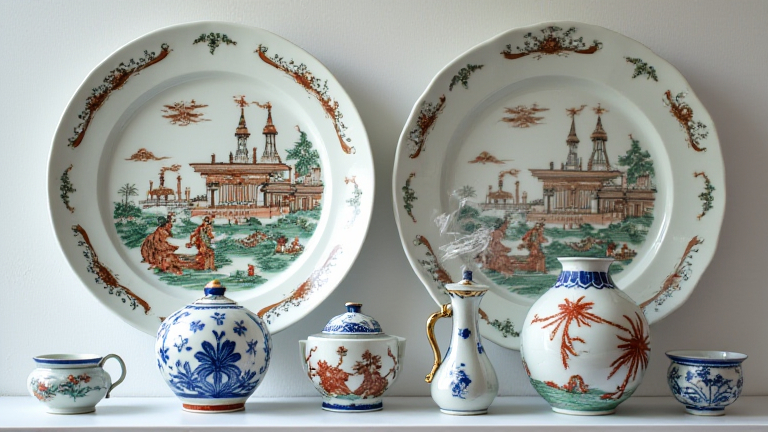
    Learn to identify the major stylistic periods. Begin with the blue-and-white aesthetic, which dominated Ming Dynasty production and was widely imitated. Notice the motifs used, such as dragons, phoenixes, and lotus flowers, and understand their symbolic meanings in Chinese culture. Then, move to the famille rose period, which introduced vibrant pastels and intricate floral designs. Compare these with European interpretations, such as the Rococo style in Sèvres or the Neoclassical simplicity in Wedgwood. Each style reflects the cultural values of its time and place, offering a window into the artistic trends of different eras.

    Applying Cultural Context

    Finally, apply this knowledge by examining how porcelain is used in daily life versus ceremonial contexts. In many Asian cultures, specific types of porcelain are reserved for tea ceremonies or ancestral rites, highlighting their spiritual significance. In the West, porcelain often signifies refinement and status, used in formal dining settings. When analyzing a piece, consider who made it, who used it, and why. This contextual approach transforms a simple object into a narrative of cultural exchange and artistic innovation.

    FAQ

    Q: What is the main difference between porcelain and stoneware?
    A: Porcelain is fired at higher temperatures, making it more translucent, durable, and less porous than stoneware, which is generally opaque and denser.

    Q: Why is Jingdezhen famous in porcelain history?
    A: Jingdezhen is known as the porcelain capital of the world because it was the primary center for imperial production in China for centuries, setting global standards for quality.

    Q: How can I date a porcelain piece at home?
    A: Examine the base mark, glaze color, and decorative style, then compare them with reference guides or museum catalogs to identify the specific period and manufacturer.
  • Porcelain History & Culture: A Guide to Timeless Lifestyle

    Porcelain History & Culture: A Guide to Timeless Lifestyle

    Porcelain History & Culture: A Guide to Timeless Lifestyle

    TL;DR: Porcelain is not merely a material but a cultural artifact that bridges centuries of art, trade, and craftsmanship. Integrating these timeless pieces into modern living elevates daily rituals into mindful experiences of beauty and heritage.

    The Origins of White Gold

    Often referred to as “white gold,” porcelain has captivated humanity for over a thousand years. Its origins are deeply rooted in China, where alchemists searching for the elixir of life accidentally discovered the secret to firing kaolin clay at extremely high temperatures. This breakthrough created a material that was not only durable but also possessed a unique translucency and purity. For centuries, this knowledge was closely guarded, making porcelain an exclusive luxury reserved for emperors and the elite. The subsequent global trade of Chinese porcelain sparked a cultural revolution across Europe, influencing art, fashion, and interior design. Today, understanding this history allows us to appreciate the profound value embedded in every piece we own.

    Global Influences and Artistic Evolution

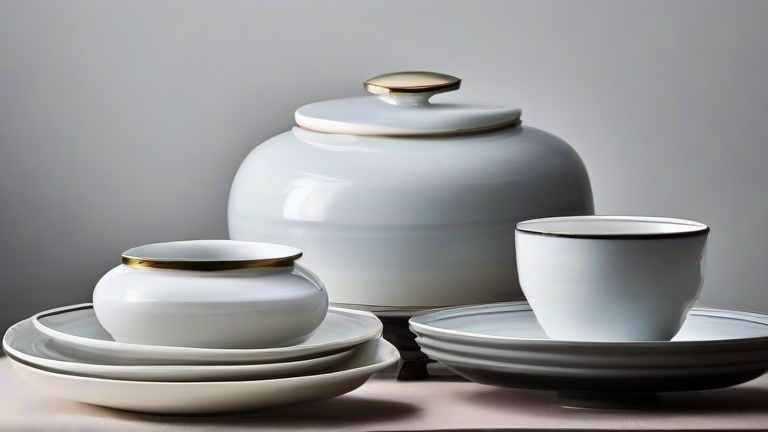
    As porcelain traveled the Silk Road and maritime routes, it inspired local artisans to develop their own unique styles. In Japan, the concept of wabi-sabi emerged, embracing the imperfections and the quiet beauty of the handmade. Dutch Delftware and English bone china followed, each adding distinct aesthetic qualities that reflected their respective cultural values. These variations offer a rich palette for modern lifestyle choices. Whether you prefer the bold blue and white patterns of traditional Chinese export ware or the minimalist elegance of contemporary Japanese ceramics, each choice tells a story. Engaging with these styles encourages a deeper connection to global craftsmanship and the artisans who preserve these ancient techniques. It transforms a simple dinner plate or tea cup into a vessel of historical narrative and artistic expression.

    Integrating Porcelain into Modern Living

    Incorporating porcelain into your daily life is an act of mindful curation. It begins with the dining table, where using fine china for everyday meals elevates the act of eating into a ritual of gratitude and presence. The tactile sensation of cool, smooth porcelain in your hands can anchor you in the moment, slowing down the pace of a busy day. Beyond dining, porcelain objects such as vases, sculptures, and decorative boxes serve as focal points in interior design. They bring a sense of order and sophistication to any space. Caring for these items also fosters a personal growth mindset. The responsibility of handling delicate objects encourages patience, attention to detail, and respect for materials. It is a gentle reminder that true luxury lies not in excess, but in the quality and story of the objects that surround us.

    The Mindful Ritual of Tea

    Perhaps no lifestyle practice better embodies the spirit of porcelain than the tea ceremony. In many Asian cultures, the selection of the teacup is as important as the tea itself. The shape, thickness, and glaze of the cup influence the temperature and flavor of the beverage. Engaging in this ritual promotes relaxation and mental clarity. It is a time to disconnect from digital noise and reconnect with the senses. By choosing a porcelain cup that resonates with your personal taste, you create a daily anchor for mindfulness. This small act of intentionality can have a profound impact on well-being, fostering a sense of calm and appreciation for the simple pleasures of life. It is a testament to the enduring power of porcelain to enhance human experience.

    FAQ

    Q: Why is porcelain considered more valuable than stoneware?
    A: Porcelain requires higher firing temperatures and specific raw materials like kaolin, making it more translucent, durable, and less porous than stoneware, which adds to its aesthetic and functional premium.

    Q: How should I care for antique porcelain pieces?
    A: Handle with clean hands, avoid sudden temperature changes, and use mild soap with lukewarm water for cleaning, ensuring each piece is dried thoroughly to prevent water spots or damage.

    Q: Can modern technology replicate traditional hand-thrown porcelain?
    A: While industrial methods can mimic the look, they often

  • Hello world!

    Welcome to WordPress. This is your first post. Edit or delete it, then start writing!