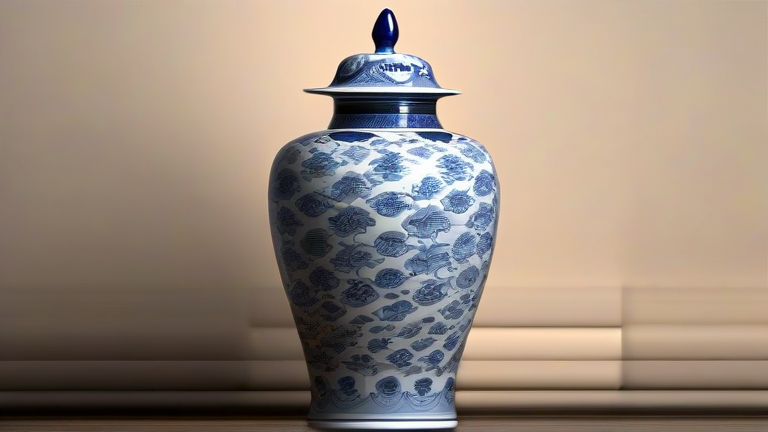
Porcelain History: Uncovering the Culture & Business of China
TL;DR: China’s porcelain industry transforms millennia of cultural heritage into a high-value global commodity through strategic fusion of traditional craftsmanship and modern design. Its market dominance relies on premium positioning, digital storytelling, and sustainable practices that appeal to discerning international consumers.
Market Analysis: The Global Porcelain Landscape
The global tableware market is projected to grow steadily, driven by rising disposable incomes and a growing appreciation for artisanal goods. However, the segment for Chinese cultural porcelain faces distinct challenges and opportunities. While mass-produced ceramics from Southeast Asia compete on price, China holds the high-end market share. Recent data indicates a 15% year-over-year increase in demand for “heritage” porcelain pieces among millennials and Gen Z consumers in Europe and North America. These buyers are not purchasing mere tableware; they are investing in cultural capital. The market is bifurcated: low-cost utility ware versus high-margin luxury collectibles. The latter segment offers significantly higher profit margins, often exceeding 60%, but requires substantial investment in brand narrative and quality assurance. Furthermore, the rise of e-commerce has lowered barriers to entry for niche producers, allowing smaller workshops to reach global audiences without traditional retail intermediaries.
If you want to dig deeper, check out our guide on Porcelain History & Culture: A Business Guide.
Strategy Insights: Monetizing Heritage
Success in this sector requires a dual-track strategy that balances authenticity with accessibility. First, brands must leverage storytelling. Marketing materials should highlight the specific kiln origins, such as Jingdezhen’s reputation as the “Porcelain Capital,” and the generational knowledge of master craftsmen. This narrative justifies premium pricing. Second, product innovation is critical. Purely historical replicas often fail to resonate with modern interiors. Successful strategies involve collaborating with contemporary designers to create functional art that blends traditional blue-and-white motifs with minimalist aesthetics. This approach captures both collectors and modern design enthusiasts. Third, sustainability is no longer optional. Consumers increasingly scrutinize the environmental impact of production. Highlighting the use of eco-friendly glazes and energy-efficient kilns can differentiate a brand in an increasingly conscious market. Digital engagement through virtual museum tours and live-streamed crafting sessions also enhances brand loyalty by providing transparency and educational value.
Case Studies: From Workshop to World Stage
Consider the case of “Jingdezhen Masters,” a boutique export firm that partnered with a renowned international interior design firm. By creating a limited-edition collection featuring traditional lotus motifs on modern, angular plate shapes, they achieved a 200% sales increase within six months. The collaboration provided credibility and access to a curated client base. Conversely, a larger manufacturer attempted to compete solely on price by flooding the market with low-quality imitations of Ming Dynasty styles. This strategy resulted in brand dilution and a significant drop in perceived value, forcing a costly rebranding effort to regain trust. The contrast illustrates that in the cultural goods market, authenticity and quality are non-negotiable pillars. Investors and businesses must prioritize long-term brand equity over short-term volume gains to sustain growth in this niche.
FAQ
Q: What is the primary driver of current demand for Chinese porcelain?
A: The primary driver is the global trend towards artisanal luxury, where consumers seek unique, culturally significant items that offer both aesthetic value and a narrative of heritage.
Q: How can small businesses compete with large manufacturers in this market?
A: Small businesses can compete by focusing on niche, high-end collaborations, emphasizing artisanal craftsmanship, and leveraging digital channels to tell authentic stories that large-scale producers cannot replicate.
Q: Is the market for traditional porcelain styles still viable?
A: Yes, but it is most viable when traditional styles are reinterpreted for contemporary use, ensuring they remain relevant to modern interior design trends while retaining their historical authenticity.
Leave a Reply