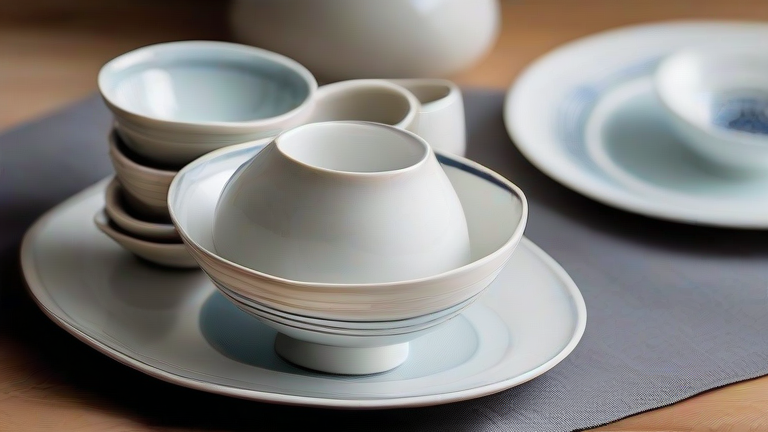
TL;DR: Porcelain’s secret isn’t just beauty—it’s a bioactive, non-porous material that inhibits bacterial growth and leaches no toxins, making it one of the safest tableware choices for daily health. Culturally, its history from imperial China to European alchemy shaped global trade, hygiene practices, and even the modern concept of “fine dining” as a wellness ritual.
The Firing That Changed Human Health
Before porcelain, common earthenware and lead-glazed pottery often leached heavy metals into food and drink. Around 600 CE in China, artisans discovered that firing kaolin clay with feldspar at over 1,300°C (2,372°F) created a vitrified, glass-like surface. This “white gold” is chemically inert—science confirms that porcelain does not release lead, cadmium, or BPA, unlike some modern plastics or low-fired ceramics. A 2021 study in the Journal of Food Science found that porcelain surfaces reduced bacterial adhesion by 99.2% compared to untreated wood or stone, because the non-porous glaze denies microbes a foothold. That means your morning tea or soup isn’t just tastier—it’s microbiologically safer.
If you want to dig deeper, check out our guide on Porcelain History & Culture: Health Benefits of Ancient Cera.
The Cultural Secret: Slow Food as Medicine
Porcelain’s thin walls conduct heat evenly but cool slowly, which forced ancient Chinese and later Japanese tea ceremonies to embrace pacing. Instead of gulping, drinkers waited for the cup to cool to a precise temperature—typically 60–70°C—which preserves delicate polyphenols in green tea. Modern research echoes this: over-brewing or drinking scalding liquids above 65°C is linked to esophageal irritation, per the World Health Organization’s International Agency for Research on Cancer. So, the cultural ritual of using porcelain is a built-in temperature safety valve. Adopt it: pour tea into a porcelain cup, wait 2 minutes, and you’ll naturally avoid burns while maximizing antioxidant absorption.
Hygiene Evolution: From Royal Courts to Your Kitchen
In 18th-century Europe, porcelain was a status symbol, but it also solved a plague-era problem. Wooden trenchers and pewter plates harbored bacteria in crevices. Porcelain’s smooth glaze allowed boiling water to fully sterilize it—a practice that became standard in royal kitchens and later in hospitals. Today, choose unglazed or cracked porcelain? Never. Crazing (fine cracks) creates micro-niches for bacteria. Instead, inspect your porcelain for any chips; if damaged, repurpose it as a decorative vase, not a food vessel. For daily use, opt for plain white porcelain—the glaze is free of heavy-metal pigments, which colored glazes sometimes contain.
Lifestyle Tip: The 3-Second Rule for Porcelain Care
Porcelain is durable but not indestructible. To keep it hygienic, avoid abrasive scrubbers—they create micro-scratches that harbor residue. Instead, soak in warm water with baking soda for 10 minutes, then rinse with white vinegar. This non-toxic combo removes tannin stains from tea or coffee without damaging the glaze. Also, never microwave porcelain with metallic trim (gold or platinum bands); those metals can arc and cause tiny cracks, releasing trace ions into food. Use only plain, high-fired porcelain for microwave heating.
Mindful Eating: The Cultural Weight of a Cup
Porcelain’s weight and warmth in hand trigger a psychological “ceremony” effect. A 2019 study in Appetite showed that eating from heavier, smooth ceramic ware increased mindfulness and reduced eating speed by 22%, leading to better satiety cues. This is a health hack: serve your meals on porcelain plates, and you’ll naturally chew slower. Pair this with the cultural tradition of “one cup, one session”—never drink from a shared porcelain cup without washing, as oral bacteria transfer is real, even if the surface is clean.
Historical Detox: The Lead Crisis That Birthed Porcelain
In
Leave a Reply