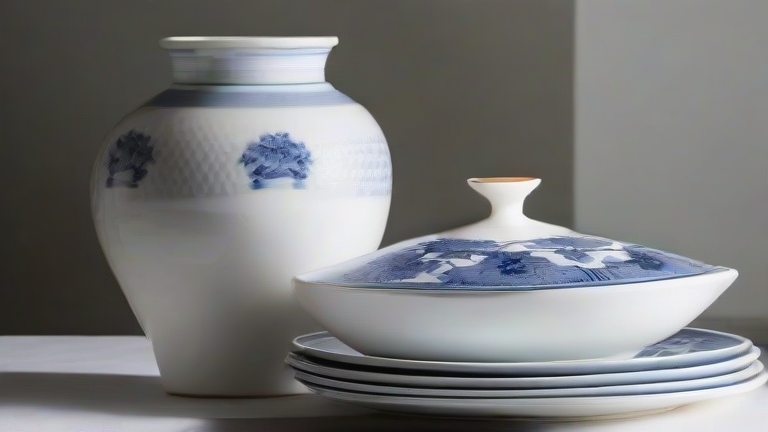
TL;DR: Porcelain has evolved from a coveted imperial treasure in ancient China into a ubiquitous symbol of modern elegance and durability in our daily lives. Understanding its rich cultural heritage enhances our appreciation for the craftsmanship behind the fine dining ware, art, and decorative objects that define contemporary sophisticated living.
The Silent Revolution in Ceramic History
For centuries, the secret to true porcelain was guarded as a state secret in the Ming Dynasty courts of China. Unlike earthenware or stoneware, which remain porous and opaque, true porcelain is vitrified, meaning it is fired at such high temperatures that the clay becomes non-porous, translucent, and incredibly hard. This material was not merely a functional improvement; it was a status symbol that sparked a global trade revolution. European powers spent centuries trying to replicate the “white gold” of the East, a quest that ultimately failed until German alchemist Johann Friedrich Böttger succeeded in creating hard-paste porcelain in the early eighteenth century. This breakthrough transformed European aristocracy, leading to the establishment of royal factories in Sèvres, Meissen, and Vienna, where porcelain became the standard for formal dining and courtly display.
If you want to dig deeper, check out our guide on Porcelain History & Culture: The Tech Behind the White Gold.
Culinary Culture and the Art of the Table
In the realm of food and dining, porcelain is the unsung hero of the culinary experience. Its non-porous surface prevents food from absorbing flavors or odors, ensuring that the taste of a delicate soup or a rich sauce remains pure. For the modern food enthusiast, the choice of tableware is an extension of personal style and cultural awareness. The shift from heavy, ornate Victorian sets to the minimalist, clean lines of mid-century modern porcelain reflects a broader societal move toward simplicity and function. When you place a handmade ceramic bowl on your table, you are engaging in a ritual that connects you to centuries of culinary traditions. The tactile warmth of a well-made mug or the visual appeal of a glazed plate enhances the sensory experience of eating, turning a simple meal into a moment of mindfulness and appreciation.
Modern Lifestyle and Personal Growth
Today, porcelain has transcended its utilitarian roots to become a cornerstone of interior design and personal aesthetic. In the modern home, porcelain is used not just for dishes, but for vases, sculptures, and architectural elements. Its versatility allows it to fit seamlessly into any design language, from the rustic charm of a farmhouse kitchen to the sleek precision of a contemporary loft. Collecting porcelain, whether it is antique Delft tiles or modern artisanal pieces, offers a unique form of personal growth. It encourages a slower, more intentional lifestyle where quality is valued over quantity. Each piece tells a story of the maker’s skill and the material’s history, prompting the collector to reflect on the value of craftsmanship in an age of mass production. By curating a collection of porcelain, you are not just decorating your space; you are curating your environment for beauty, history, and mindful living.
FAQ
Q: What makes true porcelain different from regular ceramic?
A: True porcelain is made from kaolin clay and fired at extremely high temperatures, resulting in a material that is non-porous, translucent, and significantly harder and more durable than standard ceramic or stoneware.
Q: Is it safe to use antique porcelain for daily dining?
A: It depends on the specific piece; while many antique items are food-safe, lead glazes were sometimes used in older manufacturing, so it is best to use antique porcelain for decorative purposes or verify the safety of the glaze before eating from it.
Q: How should I care for my porcelain tableware to ensure longevity?
A: To maintain the integrity of your porcelain, avoid sudden temperature changes such as placing a hot dish on a cold surface, use mild detergents for cleaning, and hand wash pieces with intricate gold or silver detailing to prevent damage.
Leave a Reply