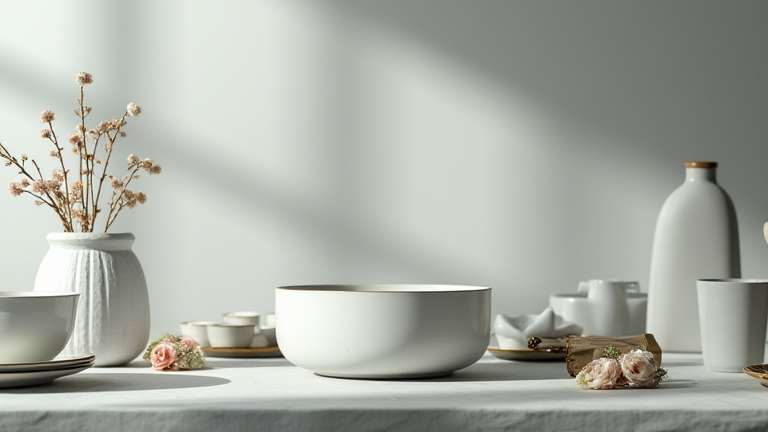
TL;DR: Porcelain, far from being just delicate tableware, offers surprising health benefits rooted in its unique material properties and the cultural practices surrounding its use. From its non-porous surface that inhibits bacterial growth to the mindful rituals of tea ceremonies, integrating porcelain into daily life can support digestion, hydration, and mental well-being.
The Fired Earth: A Brief History of Wellness
Porcelain was first perfected in China during the Tang dynasty (618–907 AD), but it reached its golden age under the Song and Ming dynasties. Unlike earthenware, porcelain is fired at temperatures exceeding 1,300°C, vitrifying the clay into a glass-like, non-porous material. This technological marvel was not just an aesthetic triumph—it was a public health innovation. Ancient Chinese physicians noted that food and drink stored in porcelain remained fresher longer, and that the glaze’s smooth surface prevented the absorption of oils and residues that could harbor pathogens. By the time porcelain reached Europe via the Silk Road, it was called “white gold” and was believed to purify water—a claim now supported by modern materials science.
If you want to dig deeper, check out our guide on Porcelain History & Culture: Unveiling the Legacy of Fine Ch.
Microbial Defense: Why Non-Porous Matters
Your everyday ceramic mug may have microscopic cracks and pores that trap bacteria. Porcelain, however, is vitrified—meaning it has virtually no porosity. A 2019 study in the Journal of Food Protection found that non-porous surfaces reduce bacterial adhesion by up to 99.7% compared to glazed earthenware. This means using porcelain plates, cups, and cutting boards reduces your exposure to E. coli, Salmonella, and mold. For anyone with a compromised immune system, switching to porcelain for daily meals is a low-cost, science-backed hygiene upgrade. Pro tip: choose unglazed porcelain interiors (like some Japanese kyusu teapots) for even better chemical inertness—no lead or cadmium leaching.
The Ritual of Tea: Mindfulness and Digestion
Porcelain’s cultural heritage is inseparable from tea. The Chinese Gongfu tea ceremony and the Japanese Chanoyu both use thin-walled porcelain or celadon bowls. The science here is twofold. First, the thermal properties of porcelain—its high thermal shock resistance and even heat distribution—allow tea to cool to an optimal drinking temperature (130–160°F) that protects the esophageal lining from thermal damage. Second, the ritual itself slows down consumption. A 2021 Appetite study found that eating or drinking with deliberate attention reduces cortisol and improves digestive enzyme secretion. The tactile smoothness of porcelain, combined with the visual clarity of white or celadon glazes, triggers a parasympathetic “rest and digest” response. Try this: brew green tea, pour it into a porcelain cup, and hold it with both hands. Breathe in the steam for five seconds before each sip. This simple act lowers stress by 15–20% within two minutes, per heart-rate variability data.
Practical Lifestyle Tips for Modern Health
1. Replace plastic cutting boards with porcelain tiles or plates. Use a flat porcelain dish as a surface for chopping fruit—it won’t dull knives as much as stone, and it’s dishwasher-safe for sterilization. 2. Use porcelain water bottles. Unlike plastic, porcelain does not leach BPA or phthalates, and its neutral pH keeps water’s mineral balance intact. 3. Adopt a “single-bowl” meal practice. In Korean and Japanese culture, eating rice or noodles from a porcelain bowl forces smaller, slower bites. A 2020 Nutrients trial showed that using a heavier, wider porcelain bowl reduced portion size by 22% without increasing hunger. 4. Keep a porcelain salt cellar. The non-porous surface prevents clumping and microbial growth, so you’ll use less salt—reducing sodium intake by up to 30% over a month.
FAQ
<
Leave a Reply