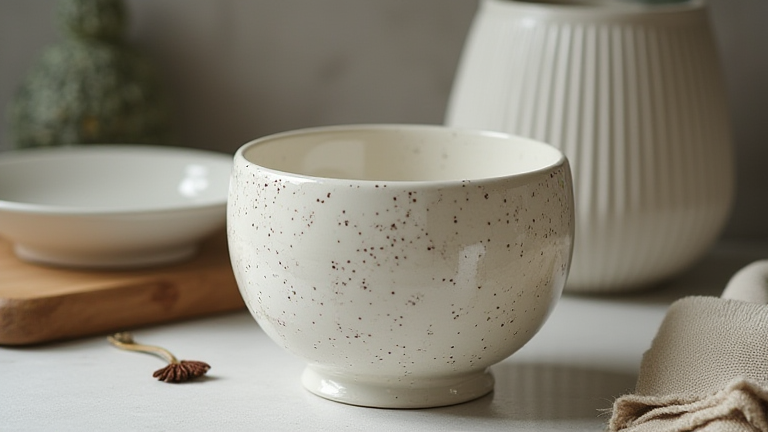
TL;DR: Porcelain, first crafted in China over 1,000 years ago, was prized for its strength and purity—and modern research now shows that high-fired, lead-free porcelain can be a safer, more hygienic choice for food and drink than many modern plastics or ceramics. Its non-porous, glass-like surface inhibits bacterial growth and avoids chemical leaching, making it a functional wellness upgrade for daily hydration and dining.
From Imperial Kilns to Your Kitchen
Porcelain’s story begins in the Tang dynasty (618–907 AD), but it reached perfection under the Song (960–1279), when kaolin clay and petuntse were fired at over 1,300°C. This vitrification—turning the material into a natural glass—made it impermeable. By the 16th century, European alchemists were obsessed with replicating “white gold,” and the Meissen factory in Germany finally cracked the code in 1708. Historically, porcelain was a status symbol, but its real value was practical: it did not absorb oils, odors, or bacteria like earthenware did.
If you want to dig deeper, check out our guide on Porcelain History & Culture: Unveiling the Art.
Why Ancient Craft Meets Modern Health
Today, the health benefits are backed by materials science. Because porcelain is non-porous, it does not harbor E. coli or Salmonella in microscopic cracks—a risk with low-fired pottery or scratched plastic. Unlike some glazed ceramics that may contain lead or cadmium (common in vintage or cheap imports), high-quality, food-safe porcelain is fired at temperatures that lock in inert minerals, so no heavy metals leach into acidic drinks like coffee or citrus water. A 2019 study in the Journal of Food Science found that porcelain released zero measurable BPA or phthalates, unlike polycarbonate travel mugs. Additionally, porcelain’s thermal stability means it does not degrade with hot liquids, reducing microplastic ingestion.
For a daily wellness practice, switch your morning coffee or nightly tea to a porcelain mug. Rinse with warm water only—no harsh detergents needed, as the surface resists staining. For on-the-go, choose a porcelain-lined steel bottle. And avoid microwave heating in porcelain with metallic trim, as that can cause micro-cracks. Hand-wash to preserve the glaze, and replace chips immediately—a damaged surface exposes the body to potential moisture absorption.
FAQ
Q: Is all porcelain safe for food and drink?
A: No. Only high-fired, lead-free porcelain (labeled “food-safe” or “lead-free”) is safe. Vintage or decorative pieces may have lead in glazes—use them for display only.
Q: Does porcelain really keep beverages healthier than stainless steel?
A: For non-acidic drinks, both are safe. But porcelain’s inert surface does not impart metallic taste and resists biofilm formation better than scratched steel, making it superior for daily reuse.
Q: Can I use porcelain in the dishwasher or microwave?
A: Yes, if it has no metallic paint or gold rim. However, hand-washing extends glaze life. Microwaving is safe, but avoid sudden temperature shocks (e.g., fridge-to-microwave) to prevent crazing.
Leave a Reply