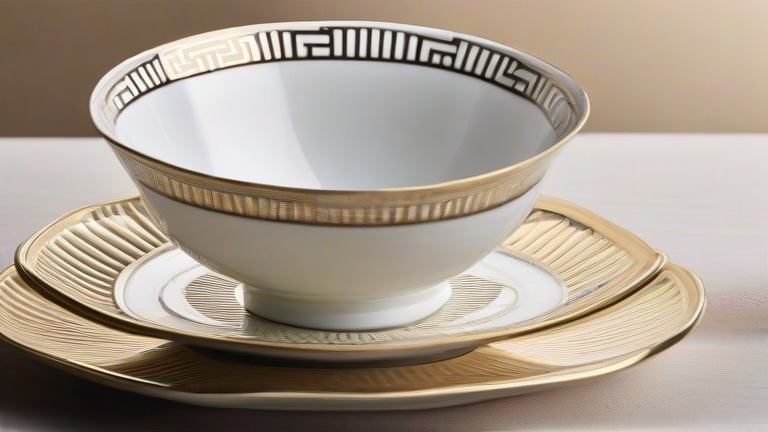
Porcelain History: A Deep Dive into China’s White Gold Culture
TL;DR: China’s porcelain history represents a millennia-old mastery of transforming raw earth into the coveted “white gold” that shaped global trade and aesthetics. This review explores how modern collectors and enthusiasts are reconnecting with this cultural heritage through authentic artifacts, educational kits, and artisanal reproductions.
For centuries, Chinese porcelain has been synonymous with purity, fragility, and immense value. Known historically as “white gold,” this ceramic material was so prized in the West that it drove the development of trans-Pacific trade routes. Today, the market for porcelain-related products has expanded far beyond simple tableware. It now encompasses a rich ecosystem of historical artifacts, high-fidelity reproductions, and educational resources that allow consumers to engage with this profound cultural legacy. This review dives into the top-tier products currently available for those seeking to understand or possess a piece of this storied history.
If you want to dig deeper, check out our guide on Porcelain History & Culture: A Complete Beginner’s Guide.
Feature Highlights
The standout feature of current high-end porcelain products is their authenticity and educational depth. Leading brands now offer “museum-quality” reproductions of iconic Ming and Qing dynasty pieces. These items are not merely decorative; they are crafted using traditional methods, including the specific clay compositions and glazing techniques that define the original artifacts. For instance, the famous blue-and-white patterns are rendered using cobalt oxide imported historically from Persia, a detail often highlighted in the accompanying literature. Furthermore, many products come with QR codes linking to detailed historical narratives, allowing users to trace the lineage of specific designs back to their imperial origins. This integration of digital storytelling with physical craftsmanship creates a multi-sensory experience that pure digital media cannot replicate.
Another critical highlight is the focus on artisanal provenance. Unlike mass-produced ceramics, premium products often include certificates of authenticity that identify the specific kiln or workshop where the item was created. This transparency appeals to collectors who value the human element in the manufacturing process. The tactile quality of these items is also superior, with glazes that possess a unique luster and thickness unattainable through industrial automation. The weight and balance of the pieces are carefully calibrated to mimic the feel of antique originals, providing a tangible connection to the past.
Comparisons
When comparing modern artisanal porcelain to mass-market alternatives, the differences are stark. Industrial ceramics, while durable and affordable, often lack the subtle variations in color and texture that characterize handmade pieces. Mass-produced items typically use synthetic glazes that appear flat under lighting, whereas traditional porcelain exhibits a depth and translucency that allows light to pass through the thinner sections, a hallmark of high-quality kaolin clay. Additionally, educational porcelain kits offered by cultural institutions provide a more immersive experience than standard DIY pottery sets. These specialized kits include rare ingredients and step-by-step guides that respect the historical context, whereas generic sets focus solely on the mechanical act of shaping clay. The value proposition here is not just aesthetic but intellectual, offering a deeper understanding of the cultural significance behind the craft.
Call-to-Action
Immerse yourself in the elegance of China’s white gold legacy. Whether you are a seasoned collector or a curious novice, investing in authentic porcelain pieces or comprehensive educational kits is a rewarding step. Explore our curated selection of historical reproductions and artisanal works today. Add a piece of history to your collection and preserve the beauty of this timeless art form. Visit our store now to discover the perfect addition to your home or study.
FAQ
Q: What makes Chinese porcelain historically significant?
A: It was the first material to be fired to high temperatures, creating a hard, water-resistant ceramic that influenced global trade and artistic development for centuries.
Q: Are modern reproductions valuable to collectors?
A: Yes, high-fidelity reproductions made by master artisans are valued for their craftsmanship and educational value, though they are distinct from antique originals in market price.
Q: How should I care for my porcelain items?
A: Handle with clean, dry hands, avoid abrasive cleaners, and store items in
Leave a Reply