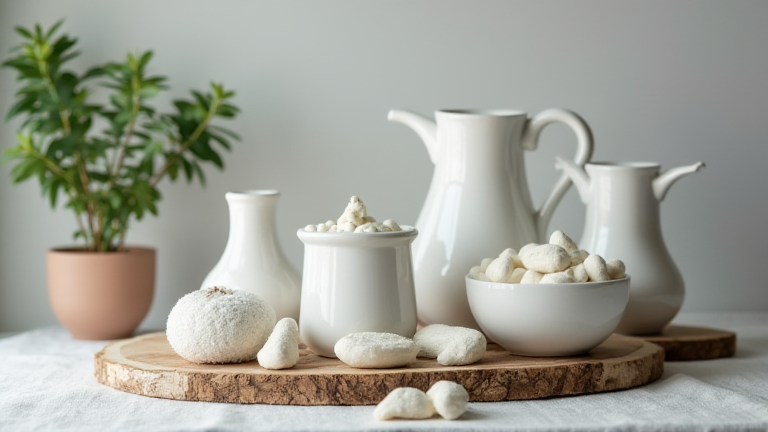
Porcelain History: 5 Health Myths & Cultural Facts
TL;DR: Porcelain is chemically inert and non-toxic, making it a safer alternative to porous ceramic or glazed materials that may leach heavy metals. Understanding its cultural heritage encourages mindful consumption and supports the preservation of artisanal craftsmanship in modern wellness lifestyles.
The Scientific Safety of Porcelain
Many consumers worry that traditional tableware might harbor bacteria or release harmful substances. However, scientific analysis confirms that high-quality porcelain is vitrified, meaning it is fired at extremely high temperatures that fuse clay and feldspar into a dense, non-porous structure. This density prevents water, food juices, and bacteria from penetrating the material, eliminating the need for glazes that could potentially contain lead or cadmium. Unlike earthenware, which requires a glaze to become watertight, true porcelain is inherently resistant to staining and microbial growth. This makes it an excellent choice for health-conscious individuals who prioritize hygiene in their kitchen environments. By choosing unglazed or food-grade glazed porcelain, you reduce exposure to potential chemical leaching, especially when heating liquids in ceramic mugs.
If you want to dig deeper, check out our guide on Porcelain History & Culture: A Guide to Fine China.
Myth: Porcelain Causes Allergies
A persistent myth suggests that handling porcelain can trigger skin allergies. In reality, porcelain is composed of silica, alumina, and kaolin, none of which are known allergens. The smooth, glass-like surface of finished porcelain does not trap dust, pollen, or pet dander effectively. For those with sensitive skin, porcelain is actually recommended over rougher materials like unglazed stoneware, which can harbor irritants. If you experience irritation, it is likely due to low-quality glazes containing harmful metals, not the porcelain body itself. Always look for certified lead-free and cadmium-free labels to ensure your tableware meets modern safety standards.
Myth: Porcelain Is Cold to the Touch
Culturally, porcelain is often associated with coldness, but this is a thermal conductivity issue, not a health hazard. Porcelain conducts heat efficiently, which means it feels cool initially but retains warmth well once heated. This property allows it to keep beverages at a stable temperature longer than plastic or thin metal. There is no scientific basis for the claim that porcelain causes “cold dampness” in the body, a concept sometimes cited in traditional medicine. From a modern wellness perspective, the thermal properties of porcelain support optimal drinking temperatures, helping to prevent scalding while maintaining the flavor profile of teas and coffees.
Cultural Wellness and Mindful Consumption
The history of porcelain is deeply intertwined with cultural rituals of consumption. In China, the use of porcelain tea sets is part of a meditative practice that promotes mindfulness and relaxation. Engaging with these cultural artifacts can enhance your well-being by encouraging slower, more deliberate eating and drinking habits. This aligns with modern wellness trends that emphasize mindful eating. Supporting artisans who preserve traditional firing techniques also contributes to cultural sustainability. By choosing handcrafted porcelain, you are not only investing in a durable household item but also supporting a heritage of craftsmanship that has survived for centuries. This connection to history can provide a sense of grounding and continuity in our fast-paced digital lives.
Lifestyle Tips for Porcelain Care
To maintain the integrity and safety of your porcelain, avoid extreme thermal shock by not moving items directly from the freezer to a hot oven. While porcelain is durable, sudden temperature changes can cause micro-cracks. Clean with mild soap and warm water, avoiding abrasive scrubbers that can damage the surface. Store pieces separately to prevent chipping, as chips can harbor bacteria that are difficult to remove. Regular inspection for cracks is essential; if you find deep fissures, replace the item immediately to ensure food safety. By following these simple care guidelines, you extend the life of your porcelain and maintain a hygienic dining experience.
FAQ
Q: Is porcelain safe for microwave use?
A: Yes, most modern porcelain is microwave-safe and non-porous, making it safer than many plastics, but always check for metallic glazes which can
Leave a Reply