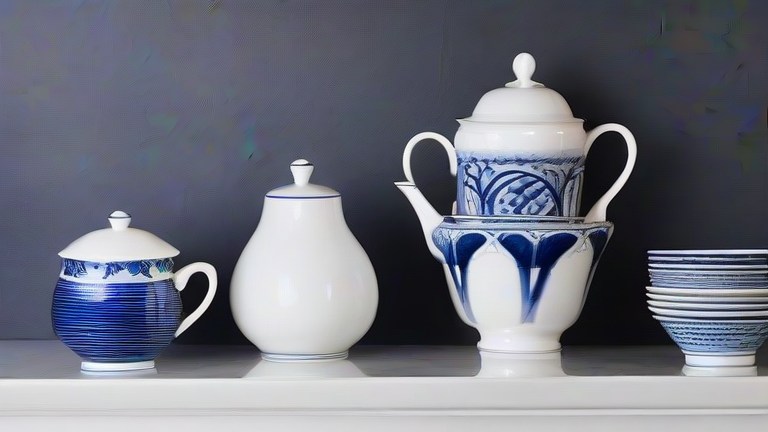
TL;DR: Porcelain, while prized for its beauty, has no inherent health benefits, but its use in dental restorations and tableware can affect your well-being. The main health impacts come from how you use porcelain items, not from the material itself, and most historical “healing” claims are pure myth.
Porcelain History: 7 Health Myths & Facts
From ancient Chinese kilns to your modern coffee mug, porcelain has been surrounded by wellness folklore for centuries. Let’s separate tradition from science.
If you want to dig deeper, check out our guide on Porcelain History: Unveiling the Rich Culture Behind Every P.
Myth 1: Porcelain Cups Detoxify Water
False. Some antique dealers claim that unglazed porcelain “breathes” and removes impurities. In reality, porcelain is fired at over 1,200°C, making it non-porous and chemically inert. It cannot absorb or release toxins. Your health depends on the water source, not the cup.
Fact 2: Lead in Antique Porcelain Is a Real Danger
True. Pre-1970s porcelain glazes often contained lead. Acidic foods (tomato sauce, citrus) can leach lead into your meal. Science-backed tip: use antique porcelain only for display, or test it with a home lead swab. Modern, food-safe porcelain is lead-free.
Myth 3: Porcelain Powder Heals Wounds
False. In 18th-century Europe, crushed porcelain was sold as a “cure” for bleeding. This practice caused infections and tissue damage. Porcelain particles are sharp and non-biodegradable. Never ingest or apply them to skin.
Fact 4: Porcelain Dental Crowns Are Biocompatible
True. Dental-grade porcelain (feldspathic or zirconia-reinforced) is hypoallergenic and resists plaque better than some metals. If you have metal allergies, porcelain crowns are a safe, aesthetic choice. Maintain them with regular brushing—porcelain can crack under extreme pressure.
Myth 5: Blue-and-White Porcelain Has Anti-Microbial Properties
False. The cobalt blue pigment is decorative. No study shows it kills bacteria. However, smooth, glazed porcelain surfaces are easier to clean than rough pottery, reducing bacterial buildup in practice. Wash with soap, not magic.
Fact 6: Porcelain Teapots Preserve Antioxidants Better
True (indirectly). Unlike metal teapots, porcelain doesn’t react with tea polyphenols. This preserves flavor and antioxidant activity. For optimal health, brew green tea at 80°C (not boiling) in a porcelain pot, and drink within 30 minutes—oxidation reduces benefits.
Myth 7: Porcelain Massage Tools Cure Pain
False. Gua sha tools made of porcelain are trendy, but no clinical trial supports pain relief beyond a placebo effect. They can, however, improve lymphatic drainage if used gently with oil. Never use on broken skin or deep bruises.
Lifestyle tip: Choose high-fired, lead-free porcelain for daily meals, avoid microwaving gold-rimmed pieces, and hand-wash heirlooms. The real health benefit? Eating off a beautiful plate may slow you down, promoting mindful portions.
FAQ
Q: Is it safe to drink coffee from vintage porcelain?
A: Only if it tests negative for lead. Acidic coffee can increase leaching from old glazes; use modern porcelain or glass for daily hot drinks.
Q: Can porcelain cookware replace cast iron for iron intake?
A: No. Porcelain is non-reactive and adds zero iron. If you need dietary iron, use cast iron or eat leafy greens—porcelain won’t help.
Q: Does porcelain affect the taste of tea or
Leave a Reply