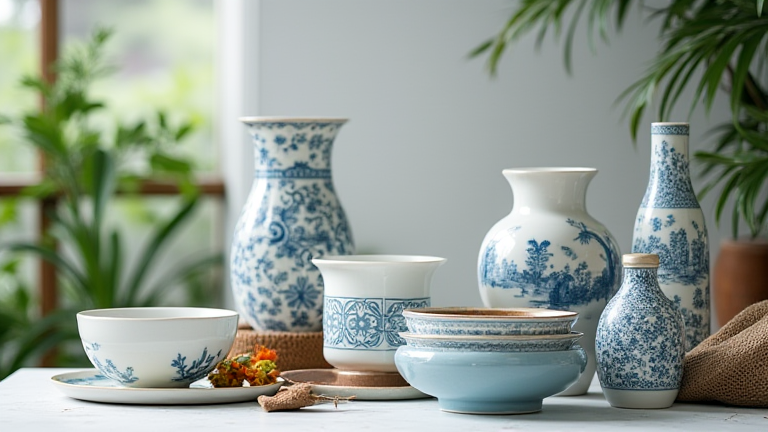
TL;DR: Porcelain’s health legacy lies in its non-porous, chemically inert nature, which prevents bacterial growth and chemical leaching into food. Using high-quality ceramic tableware supports a hygienic dining environment and preserves the nutritional integrity of your meals.
The Hygienic Revolution of Fine China
For centuries, porcelain has been synonymous with elegance and status. However, its impact on health and wellness extends far beyond aesthetics. The development of true porcelain in China during the Tang Dynasty marked a significant shift in material science, offering a surface that is both durable and biologically neutral. Unlike traditional earthenware, which can be porous and absorb liquids, true porcelain is fired at extremely high temperatures, creating a glass-like structure that is virtually impermeable. This physical property is the foundation of its health benefits, ensuring that the vessels we use daily do not harbor harmful pathogens.
If you want to dig deeper, check out our guide on Porcelain History: 7 Health & Culture Secrets You Should Kno.
Chemical Inertness and Food Safety
One of the most critical aspects of food safety is the interaction between the container and the contents. Modern scientific studies emphasize the importance of using chemically inert materials for serving acidic foods, such as tomato-based sauces or citrus fruits. Lead and cadmium, heavy metals sometimes found in lower-quality glazed ceramics, can leach into food when exposed to acid. High-grade porcelain, however, is manufactured with strict adherence to safety standards that ensure the glaze is stable and free from toxic heavy metals. By choosing reputable porcelain tableware, consumers reduce their daily exposure to these potential neurotoxins, supporting long-term neurological health and overall well-being. This subtle choice contributes to a safer dietary environment, particularly for children and the elderly who are more susceptible to heavy metal accumulation.
Thermal Retention and Nutritional Integrity
Porcelain’s thermal properties also play a role in dietary wellness. Its ability to retain heat effectively means that hot dishes remain warm for longer periods without the need for excessive reheating. Repeated heating of food, especially oils and fats, can lead to the formation of harmful compounds like trans fats and acrylamide. By serving food in well-insulated porcelain bowls, you can maintain optimal serving temperatures, encouraging the consumption of food that is safe and nutritionally preserved. Furthermore, the aesthetic appeal of fine porcelain has been linked to mindful eating practices. Studies in behavioral psychology suggest that people tend to eat more slowly and feel more satisfied when meals are presented on beautiful, high-quality plates. This mindful approach can aid in weight management and digestive health by allowing the brain to register satiety signals before overeating occurs.
Maintenance for a Healthy Home
To maximize the health benefits of porcelain, proper maintenance is essential. While porcelain is generally easy to clean, it is important to avoid abrasive cleaners that can scratch the glaze. Scratches can create micro-habitats for bacteria, undermining the inherent hygienic advantages of the material. Instead, use mild dish soap and warm water, and dry the items thoroughly to prevent water spots. For those with vintage or antique porcelain, it is advisable to use them for decorative purposes rather than daily dining, as older glazes may not meet modern safety standards. By integrating high-quality porcelain into your daily routine and maintaining it correctly, you uphold a standard of hygiene and wellness that supports a healthier lifestyle.
FAQ
Q: Is porcelain safer than plastic for storing food?
A: Yes, porcelain is generally safer as it does not contain BPA or other plasticizers that can leach into food, especially when heated.
Q: How can I tell if my porcelain is safe for food use?
A: Look for labels indicating it is lead-free and cadmium-free, or purchase from reputable brands that comply with FDA or international safety standards.
Q: Does the color of porcelain affect its health benefits?
A: The color itself does not affect hygiene, but the glaze used to create the color must be stable; always ensure the glaze is food-safe and non-toxic.
Leave a Reply