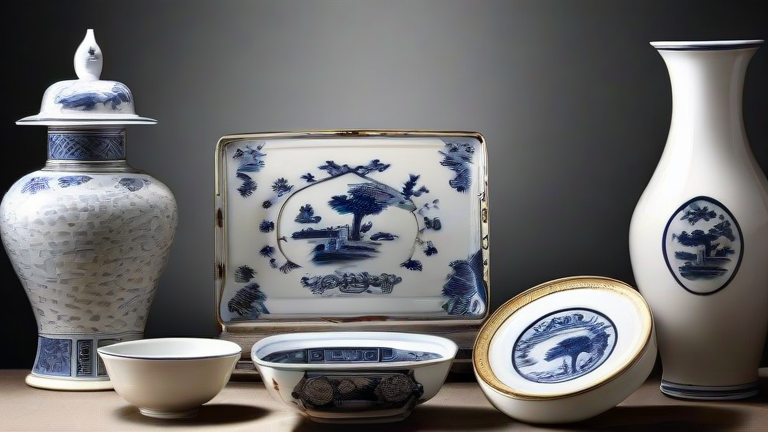
The Porcelain Trade: How China’s White Gold Shaped Global Business
TL;DR: China’s porcelain trade established the first truly global supply chain, fundamentally altering European manufacturing, cultural aesthetics, and international economic structures. The “White Gold” phenomenon demonstrated how a single commodity could drive technological innovation, diplomatic negotiation, and consumerism across continents.
Market Analysis: The Global Demand Shock
From the Tang Dynasty onward, Chinese ceramics became a universal currency of status. The market analysis of this era reveals a unique dynamic: demand was inelastic among the European elite, while supply remained geographically constrained. The high transport costs and fragility of the goods created a massive margin, incentivizing the development of complex maritime logistics networks. This early global market did not just move goods; it moved ideas, designs, and eventually industrial secrets. The sheer volume of trade indicated a sophisticated understanding of long-term consumer trends, where aesthetic preference drove sustained purchasing power over centuries.
If you want to dig deeper, check out our guide on Porcelain History: How Ancient Craft Boosts Modern Health.
Strategy Insights: Monopoly and Imitation
The strategic insight for modern businesses lies in the tension between monopoly and imitation. For centuries, China maintained a near-total monopoly on high-quality kaolin clay processing and high-temperature kiln technology. This “secret recipe” created an insurmountable barrier to entry. European strategists, initially acting as distributors, eventually shifted to product development. The Dutch East India Company, for instance, used its logistical dominance to flood markets, while German and English potters focused on reverse-engineering the material science. The lesson is clear: when a product achieves cultural ubiquity, the moat shifts from the product itself to the manufacturing process and brand narrative. Competitors who fail to innovate in production will eventually be outpaced by those who master the underlying technology.
Case Studies: The Wedgwood Revolution
A pivotal case study is Josiah Wedgwood’s establishment of Etruria in 1759. Wedgwood did not merely copy Chinese designs; he analyzed the market gap for durable, affordable, yet aesthetically superior tableware. By developing creamware, he democratized porcelain, creating a mass-market segment that coexisted with luxury items. This dual-brand strategy allowed for sustained growth. Another notable case is the Meissen factory in Germany, which achieved true hard-paste porcelain in 1708. By securing royal patronage and state protection, Meissen created a state-backed brand that rivaled Chinese imports, illustrating how government support can accelerate industrial breakthroughs in global markets.
FAQ
Q: Why is porcelain called “White Gold”?
A: It reflects the material’s extreme value, fragility, and status as a luxury good that was more valuable than precious metals in many trade contexts during the 16th and 17th centuries.
Q: How did porcelain trade influence modern supply chains?
A: It pioneered the concept of long-distance, high-risk logistics for fragile goods, establishing protocols for packaging, insurance, and maritime routes that form the basis of modern global commerce.
Q: What was the biggest strategic mistake of European competitors?
A: Initially focusing solely on visual imitation rather than material science, which allowed them to produce inferior products for decades before cracking the code of kaolin and quartz composition.
Leave a Reply