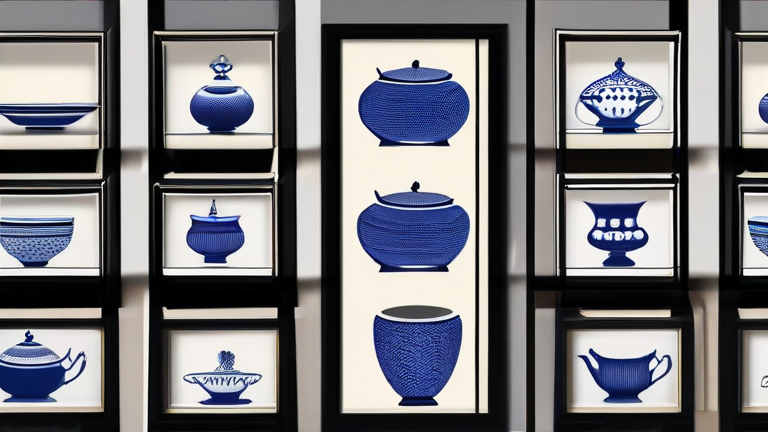
TL;DR: Porcelain is more than a delicate ceramic—it is a 2,000-year-old cultural artifact born in China, refined across dynasties, and coveted by empires that built entire trade routes around it. This guide reveals the heritage, key innovations, and how to start your own collection without falling for modern fakes.
Feature Highlights: Why Porcelain Matters
Porcelain’s defining traits—translucency, hardness, and resonance—are the result of kaolin clay fired at over 1,300°C. The earliest true porcelain emerged in the Han Dynasty (206 BC–220 AD), but it was the Tang and Song dynasties that perfected celadon glazes and cobalt blue underglaze. By the Ming era (1368–1644), Jingdezhen became the global capital, producing pieces for the imperial court and the Silk Road. Each period carries distinct markers: Song’s unglazed rims, Ming’s blue-and-white patterns, and Qing’s famille rose enamels. For collectors, these features are not just aesthetic—they are authentication keys.
If you want to dig deeper, check out our guide on Porcelain Through the Ages: A Journey of Art, Fire, and Cult.
Comparisons: Antique vs. Modern Reproductions
Original Ming or Qing porcelain commands six-figure auction prices, but most buyers face a sea of reproductions. Compare a genuine 18th-century vase to a modern “heritage-style” piece: the antique has a slightly uneven glaze drip, a chalky body when held to light, and a deep “ping” when tapped. Modern pieces are machine-perfect, glossy, and often lack the iron-rich “ginger jar” foot ring. For cultural immersion without the price tag, consider museum-quality reproductions from Jingdezhen’s living workshops—they use period-accurate clay and kiln techniques. However, if you seek investment-grade history, always request a thermoluminescence test and provenance certificate. The difference is not just cost; it’s owning a tangible slice of dynastic trade, diplomacy, and artistry.
Your Next Step
Start small: purchase a Song-style tea bowl or a Ming-inspired plate from a certified artisan. Handle it daily, learn the legends (like the dragon-and-phoenix motifs symbolizing imperial balance), and visit a local museum’s porcelain wing to train your eye. The heritage is alive—do not let it gather dust in a cabinet.
FAQ
Q: How can I tell if a porcelain piece is genuinely antique?
A: Look for three signs—unstable glaze crazing, a visible foot ring with kiln grit, and a soft, warm tone when tapped. Always pair visual inspection with a lab test (thermoluminescence) for pieces over 200 years old.
Q: What is the most valuable porcelain period for collectors?
A: Ming dynasty (especially the Xuande and Chenghua reigns) and early Qing Kangxi-era pieces are top-tier. The Chenghua “chicken cup” sold for $36 million in 2014, but a modest Ming blue-white dish can still fetch $5,000–$20,000.
Q: Are modern porcelain workshops in Jingdezhen worth buying from?
A: Yes, if you choose artisan-run studios that use traditional wood-fired kilns. They offer authentic techniques at 1/100th the price of antiques, and many sign and date their work—perfect for building a culture-focused collection.
Leave a Reply