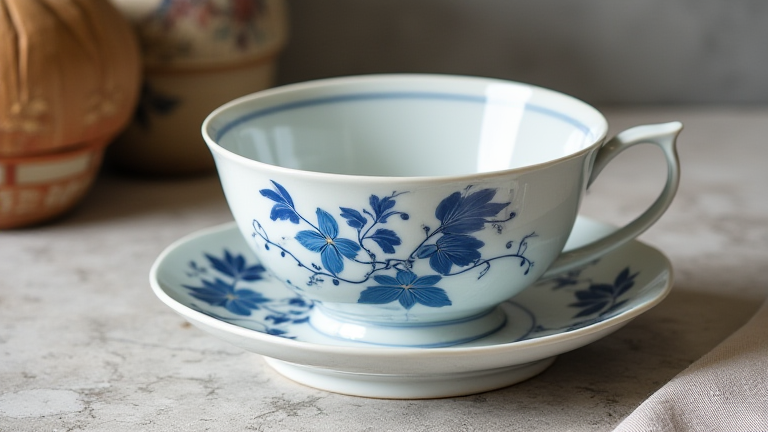
TL;DR: Porcelain transcends mere tableware, serving as a tangible link to centuries of artistic innovation, diplomatic exchange, and global trade networks. Understanding its history enriches your dining experience by connecting the daily act of eating to profound cultural narratives and aesthetic traditions.
The Alchemy of Fire and Clay
Porcelain is often described as the most beautiful material ever created by human hands, yet its origins are rooted in ancient alchemy and imperial ambition. Emerging from the kilns of Song Dynasty China around the 10th century, this white, translucent ceramic was initially a closely guarded secret. The Chinese perfected the recipe using kaolin clay and high-temperature firing, creating a vessel that was not only durable but resonant when struck. This material became a symbol of purity and refinement, central to the Chinese concept of “guwu,” or material culture. For the modern lifestyle enthusiast, appreciating this history transforms a simple teacup into a portal to a sophisticated past, where the choice of vessel was as important as the beverage it held.
If you want to dig deeper, check out our guide on **“Porcelain’s Digital Age: How Tech Preserves Ancient Craft.
Global Trade and Culinary Evolution
The journey of porcelain from East Asia to European tables reshaped global cuisine and social customs. When Dutch and English traders began transporting these fragile treasures across oceans, they triggered a cultural phenomenon known as “chineserie.” European elites coveted porcelain plates and cups, leading to the development of new culinary traditions centered around tea drinking and delicate desserts. This demand drove the rise of domestic porcelain production in Meissen, Germany, and later in England, fostering a competitive landscape of design and innovation. Today, this legacy is visible in the diverse styles of dinnerware available. From the minimalist aesthetics of Japanese raku ware to the ornate patterns of English bone china, each piece tells a story of cross-cultural exchange. Integrating these items into your home is not just about decoration; it is about curating a living history that enhances the sensory experience of dining.
Personal Growth Through Material Appreciation
Engaging with porcelain culture offers a unique path to personal growth through mindfulness and aesthetic education. The practice of selecting, cleaning, and using fine porcelain encourages a slower, more intentional approach to daily rituals. It invites you to pause and appreciate the craftsmanship, the weight, and the sound of the material. This mindfulness aligns with modern lifestyle trends that prioritize quality over quantity. By understanding the cultural weight behind your dinnerware, you cultivate a deeper respect for material objects and the artisans who create them. This perspective shifts consumption from a passive act to an active engagement with global heritage. Whether you are a collector or a casual diner, recognizing the porcelain on your table as a cultural artifact adds depth and meaning to your everyday life. It connects you to a broader human narrative of creativity, trade, and shared enjoyment.
FAQ
Q: Why is porcelain considered more valuable than other ceramics?
A: Its rarity, translucency, and durability, combined with centuries of historical significance, make it a symbol of luxury and artistic achievement.
Q: How can I care for antique porcelain pieces?
A: Handle with clean hands, wash gently with mild soap, and store in padded areas to prevent chipping or cracking.
Q: What is the difference between china and porcelain?
A: Porcelain is a specific type of ceramic made from kaolin and fired at high temperatures, while “china” often refers to bone china or decorative ware.
Leave a Reply