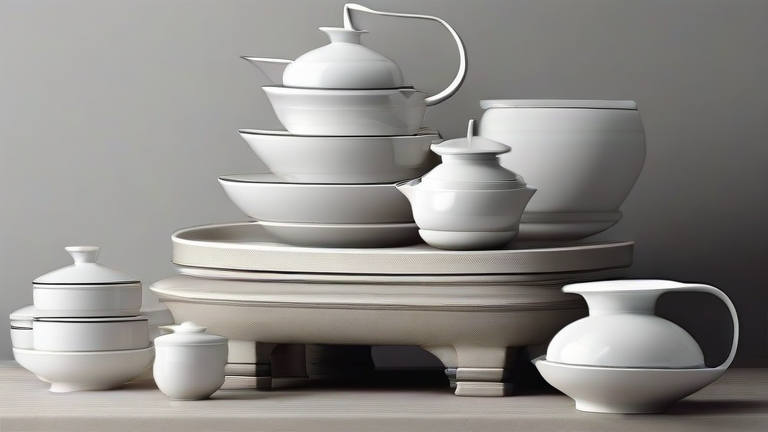
TL;DR: Porcelain’s 1,000-year history is wrapped in myths about healing and purity, but modern science shows only a few hold up—like its non-reactive surface—while others, such as “lead-free glazes are always safe,” need careful nuance. Your daily ceramic mug can be a tool for better hydration and mindful eating, if you choose wisely.
The Myth of “Breathable” Porcelain
Ancient Chinese lore claimed unglazed porcelain “breathed” and could leach beneficial minerals into tea. Fact: True porcelain is fired at 1,200–1,400°C, making it vitrified (glass-like) and non-porous. It does not release minerals into liquids—that’s stoneware or earthenware. However, this non-porosity is a real health win: it prevents bacterial growth and flavor transfer, meaning your porcelain cup won’t harbor old coffee oils or mold. Use it for water or herbal tea to reduce plastic exposure.
If you want to dig deeper, check out our guide on Porcelain History: The Tech Behind China’s White Gold.
The Lead-Glaze Trap
Historically, lead-based glazes made porcelain shiny and durable—but they poisoned many artisans and users. Modern food-safe porcelain uses lead-free glazes, but vintage or imported pieces may still contain lead. Myth: “A chip in porcelain is harmless.” Fact: Chipped glaze can expose the body and release trace metals into acidic drinks. Science-backed tip: Test old porcelain with a home lead swab kit. If positive, use it only for dry storage, never for hot or acidic beverages.
“Porcelain Cures” – The Ming Dynasty Fallacy
Some 15th-century texts claimed porcelain powder could cure ulcers and even “calm the spirit.” That is pure myth—ingesting porcelain fragments can damage teeth and intestines. The real health benefit is psychological: the smooth, weighty feel of porcelain reduces stress and encourages slower sipping, which improves hydration. Mindful drinking from a favorite ceramic cup has been linked to lower cortisol in small behavioral studies. So, keep the cup, skip the powder.
Thermal Mass and Your Gut
Porcelain’s high thermal mass means it holds heat longer than glass or plastic. This isn’t just comfort—it’s a fact that helps digestion. Drinking warm liquids from a pre-heated porcelain mug can stimulate gastric blood flow, aiding digestion after meals. Avoid scalding temperatures (>60°C), which can damage esophageal lining. Use a porcelain teapot with a cosy to maintain 50–55°C for green tea, preserving antioxidants like catechins.
The “Antibacterial” Glaze Myth
Some modern porcelain brands market silver-infused glazes as antibacterial. While silver ions do kill bacteria in lab tests, the effect is negligible once the surface is rinsed or dried. The real fact: Porcelain’s non-porous surface naturally resists biofilm buildup better than plastic or wood. Practical tip: Wash porcelain with warm soapy water and air-dry—no need for harsh antimicrobial soaps, which can leave residues.
Color and Mood: The Blue-and-White Effect
Traditional blue-and-white porcelain (cobalt glaze) was thought to “cool” the body. Myth, but science shows color affects perception: blue hues lower perceived beverage temperature by ~2°C, which might reduce the urge to add sugar to hot tea. Red or orange glazes, conversely, increase perceived sweetness—useful if you’re cutting sugar. Choose a blue porcelain mug to naturally reduce your sweetener intake.
Microwave and Porcelain Safety Facts
Old porcelain with gold or metallic rims can spark in microwaves and release metal ions into food—that’s a fact. Modern, plain porcelain is microwave-safe, but avoid rapid temperature changes (cold fridge to hot microwave) to prevent micro-cracks that harbor bacteria. Health tip: Always check for a “microwave-safe” stamp; if absent, use a ceramic tester or heat in a water bath. This preserves both the piece and your meal’s nutrient integrity.
Leave a Reply