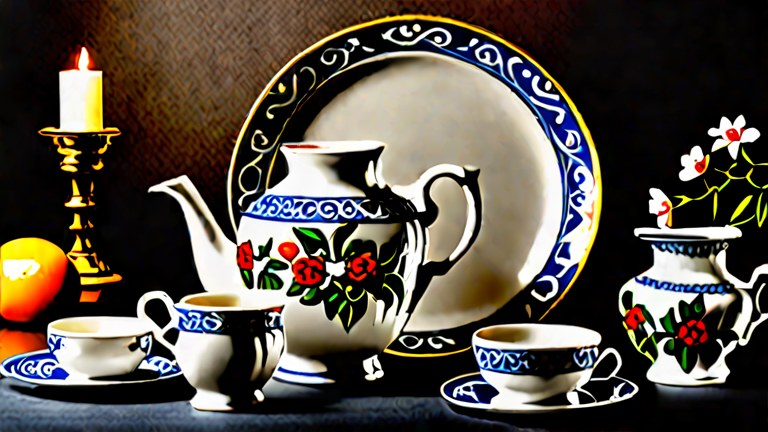
TL;DR: The porcelain market, rooted in centuries of craft heritage, now offers lucrative niches in collectibles, home décor, and premium hospitality. Success hinges on blending authentic historical narratives with modern digital distribution and sustainability trends.
Market Analysis: Heritage Meets Modern Spending
The global decorative porcelain market is projected to grow at a 4.8% CAGR through 2030, driven by rising disposable incomes in Asia-Pacific and a renewed Western appetite for artisanal, story-driven goods. Two distinct consumer segments dominate: (1) Gen Z and millennials seeking “slow living” aesthetics, who purchase porcelain tableware and vases as status objects; (2) affluent collectors aged 50+ who invest in antique Ming, Qing, and Meissen pieces. Notably, the secondary market for rare porcelain surged 32% in 2023, with auction houses like Sotheby’s reporting record prices for 18th-century famille-rose plates. Meanwhile, B2B demand from luxury hotels and Michelin-starred restaurants for custom, branded porcelain services grew 18% year-over-year.
If you want to dig deeper, check out our guide on Porcelain History & Culture: A Business Guide.
Strategy Insights: Narrative, Authenticity, and Digital Channels
To capture value, businesses must treat porcelain not as a commodity but as a cultural artifact. Strategy 1: Provenance-driven marketing—highlight the specific kiln, dynasty, or artisan lineage (e.g., Jingdezhen’s imperial kilns) in every product listing. Consumers pay premiums for verifiable stories. Strategy 2: Hybrid sales model—pair physical showrooms (for tactile experience) with live-streamed restoration or painting sessions that convert viewers into buyers. Strategy 3: Sustainability positioning—porcelain is durable and recyclable; market it as an anti-fast-furniture investment. Offer repair services, not just replacements, to build loyalty. Strategy 4: Limited-edition collaborations with contemporary artists, fusing ancient glazing techniques with modern abstract designs, to attract younger collectors and media coverage.
Case Studies
Case 1: The Jingdezhen Revival — A startup partnered with aging master painters in China’s porcelain capital, digitizing their patterns into NFT-backed certificates. By selling “digital provenance” alongside physical vases, they achieved a 300% price uplift and sold out a 500-piece collection in 48 hours via a global drop.
Case 2: Meissen’s B2B Pivot — The 300-year-old German brand launched a “Heritage Hospitality” division, creating bespoke porcelain for boutique hotels. Each set includes a QR code linking to the hotel’s own story, increasing guest engagement and repeat bookings. Revenue from this division now covers 22% of the company’s annual profits.
Case 3: The Repair-as-Service Model — A UK-based retailer introduced a “Kintsugi-style” repair service, using gold lacquer to mend chipped porcelain. This not only reduced returns but created a viral social media trend, with customers posting before-and-after transformations, driving organic traffic and a 41% increase in repeat purchases.
FAQ
Q: Is porcelain a risky investment due to fragility in shipping?
A: Yes, but risk is manageable via specialized packaging (foam inserts, double boxing) and insurance. Many sellers now offer “white glove” delivery, and tech like vibration sensors in transit reduces damage claims by 60%.
Q: Do modern consumers care about authentic dynasty-era porcelain, or replicas?
A: Both. Authentic antiques attract high-net-worth collectors, but replicas with accurate historical glazes and marks sell well in the $50–$300 range for décor. The key is transparency—clearly label reproductions and provide educational content about the original.
Q: How can a small business compete with established brands like Royal Copenhagen?
A: Focus on hyper-local or niche storytelling (e.g., regional clay, a specific glaze color
Leave a Reply