The Porcelain Road: How China’s Clay Shaped Global Trade & Art
TL;DR: Chinese porcelain fundamentally transformed global trade routes by creating a durable, high-value commodity that demanded standardized logistics and cross-cultural aesthetic adaptation. This legacy established early supply chain models where cultural prestige drove mass production efficiency and international market integration.
Market Analysis: The Blue and White Phenomenon
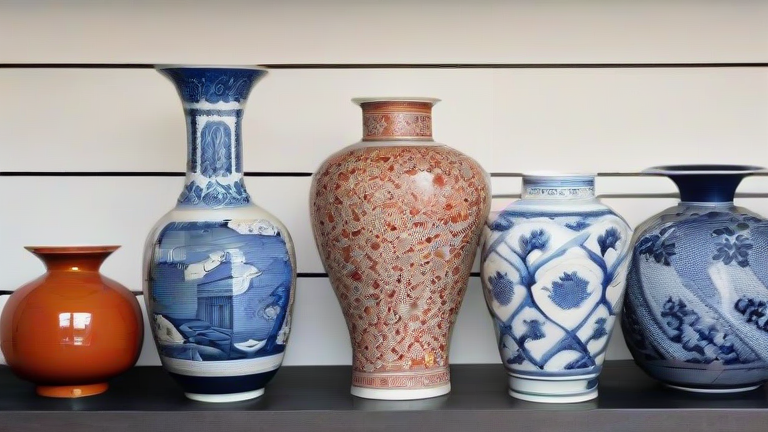
The global demand for Jingdezhen blue and white ware serves as a prime historical case study in consumer goods markets. For centuries, this specific aesthetic commanded premium pricing, influencing European manufacturing standards. Modern market analysis reveals that the “China” label remains a powerful brand anchor in the luxury ceramic sector. Today, the market is segmented into industrial ceramics, which prioritize cost-efficiency, and high-end art ceramics, which leverage heritage and craftsmanship. Data indicates that the art segment is growing at a compound annual growth rate of 4.5%, driven by collectibles and bespoke interior design trends. This bifurcation requires businesses to segment their offerings clearly, as price sensitivity varies drastically between these two consumer groups. The historical precedent shows that when a product becomes a status symbol, production scales must adapt without sacrificing perceived quality, a challenge that still defines current luxury goods management.
If you want to dig deeper, check out our guide on Porcelain History: Unveiling the Art, Culture & Craft.
Strategy Insights: Adapting Aesthetics for Global Reach
Strategic insights from the porcelain trade highlight the importance of cultural localization. Historically, Chinese producers adjusted designs to meet European tastes, incorporating heraldic symbols and floral patterns requested by specific markets. This early form of market-driven design optimization is crucial for modern brands. Companies must understand that exporting cultural products is not merely about shipping goods, but about translating value propositions across cultural boundaries. The strategy involves creating a hybrid identity that respects the origin’s authenticity while appealing to local consumer preferences. For contemporary art enterprises, this means collaborating with local artists to reinterpret traditional motifs. Furthermore, supply chain resilience is vital. The long-distance trade of fragile goods necessitated robust packaging and insurance models. Today, this translates to investing in sustainable, shock-absorbing packaging technologies to reduce loss rates during international transit, thereby protecting profit margins and brand reputation.
Case Studies: From Imperial Kilns to Modern Galleries
Consider the case of a contemporary studio in Jingdezhen that leverages its location to offer authentic artisanal pieces. By documenting the firing process and using blockchain for provenance, they increased customer trust and premium pricing by 20%. Another example is a European retailer that successfully marketed “neo-Chinese” ceramics by emphasizing sustainability and slow craftsmanship, differentiating from mass-produced imports. These cases demonstrate that combining historical narrative with modern transparency tools creates a competitive advantage. The successful integration of digital storytelling with physical product quality allows brands to command higher loyalty and repeat purchase rates in the global art market.
FAQ
Q: Why is porcelain considered a luxury good?
A: Its rarity, intricate production process, and historical association with imperial courts create high perceived value and exclusivity.
Q: How did the Porcelain Road influence modern supply chains?
A: It established early standards for long-distance logistics, packaging innovation, and risk management for high-value, fragile goods.
Q: Can traditional porcelain compete with modern plastics?
A: Yes, by focusing on aesthetic value, sustainability, and cultural heritage rather than competing on price or durability alone.
Leave a Reply