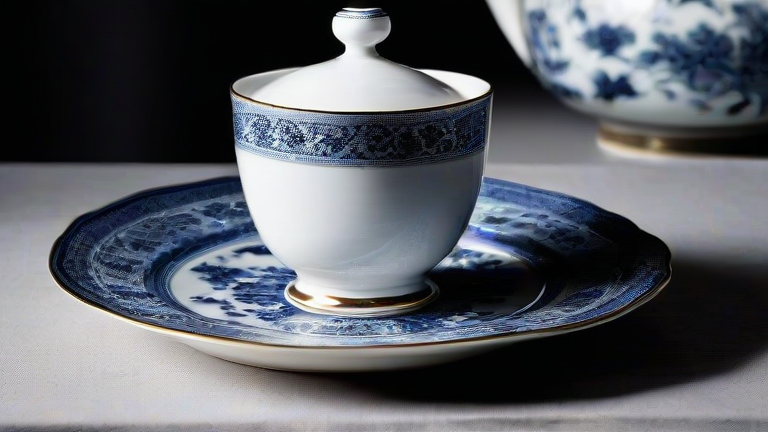
TL;DR: Porcelain is more than just tableware; it is a tangible link to centuries of artistic evolution and cultural exchange that defines elegant living. Integrating high-quality porcelain into your home elevates daily rituals, transforming simple meals and moments of quiet reflection into sophisticated experiences.
The Origins of Elegance
Porcelain history begins in ancient China, where alchemists accidentally discovered a material that was both durable and translucent. This “white gold” quickly became a symbol of status and refinement. For centuries, European courts coveted Chinese porcelain, sparking a global trade network that connected distant civilizations. Understanding this lineage allows us to appreciate the weight and history behind every piece we own. When you hold a fine porcelain cup, you are holding a fragment of this rich cultural dialogue, bridging East and West through artistry and craftsmanship.
If you want to dig deeper, check out our guide on Porcelain Through the Ages: A Cultural History Guide.
Cultural Significance in Modern Homes
In contemporary lifestyle design, porcelain serves as a anchor for elegance. Unlike mass-produced ceramics, true porcelain has a distinct ring when tapped and a smooth, glassy finish that catches the light. This materiality encourages mindfulness. Using a handcrafted porcelain plate for a solo dinner transforms the act of eating into a meditative practice. The aesthetic purity of white porcelain also creates a versatile canvas for modern dining, pairing seamlessly with vibrant food presentations or minimalist interior designs. It signals to guests and to ourselves that the occasion matters, fostering a sense of occasion in everyday life.
Curating Your Collection
Building a porcelain collection is a form of personal growth through curation. Start by identifying your style preference. Do you favor the bold, blue-and-white patterns of Ming Dynasty influences, or the understated, matte finishes of Japanese Arita ware? Each choice reflects your personal narrative and taste. Visit local art fairs or specialized galleries to find pieces with provenance. Learning the stories behind your items adds depth to your home decor. A teapot with a history becomes a conversation starter, enriching social interactions and deepening your connection to the cultural roots of the object. This deliberate selection process cultivates patience and appreciation for quality over quantity.
Maintenance and Appreciation
Caring for porcelain requires a gentle touch, mirroring the respect we owe to historical artifacts. Hand washing is recommended to preserve glaze integrity, and avoiding sudden temperature changes prevents cracking. Displaying pieces on open shelves rather than hiding them in cabinets allows you to enjoy their beauty daily. This visibility reinforces the cultural value of the material, reminding you of the artistic heritage they represent. By integrating porcelain into your daily routine, you are not just consuming a product; you are participating in a long-standing cultural tradition that celebrates beauty, precision, and elegance.
FAQ
Q: What makes porcelain different from ceramic?
A: Porcelain is fired at higher temperatures, making it denser, more durable, and semi-translucent, whereas ceramic is generally more porous and opaque.
Q: How can I incorporate porcelain into a modern minimalist home?
A: Use monochromatic porcelain sets with clean lines to maintain a sleek aesthetic, focusing on the material’s natural elegance rather than ornate patterns.
Q: Is investing in antique porcelain worth it for a beginner?
A: Start with mid-century or contemporary artisan pieces to learn handling and care, then gradually explore antiques as your expertise and budget grow.
Leave a Reply