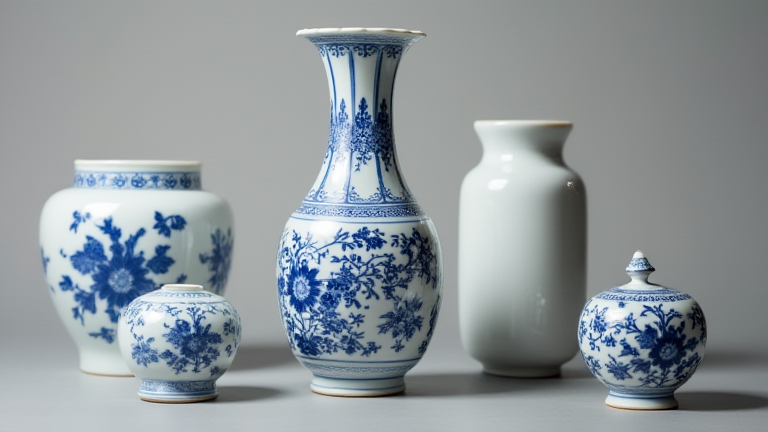
“Porcelain History & Culture: A Beginner’s Guide to China’s White Gold”
TL;DR: Chinese porcelain, known as “white gold,” emerged from the Song Dynasty and revolutionized global trade through its unmatched durability and aesthetic beauty. Mastering its history involves understanding key dynasties, glaze techniques, and the cultural significance of symbols like dragons and lotus flowers.
Step 1: Understand the Origins. Begin your journey by studying the early production of porcelain in Jingdezhen, often called the “Porcelain Capital.” Recognize that true porcelain differs from earthenware due to its high firing temperature, which creates a hard, translucent, and resonant material. This foundational knowledge helps you appreciate the technical mastery required to produce these artifacts.
If you want to dig deeper, check out our guide on Porcelain History: A Cultural Journey Through Time & Style.
Step 2: Explore Dynastic Styles. Focus on the Ming and Qing dynasties, which represent the peak of imperial craftsmanship. Learn to identify specific blue-and-white patterns, such as the lotus medallion or the dragon motif, which denote rank and status. Each dynasty has distinct characteristics, from the simple elegance of the Yuan period to the intricate polychrome glazes of the Kangxi era.
Step 3: Analyze Cultural Symbolism. Porcelain is not just decorative; it is a vessel of philosophical meaning. Study how specific colors and designs convey messages of longevity, wealth, and harmony. For example, the eight-happiness symbol or the phoenix represents marital bliss. Understanding these narratives enriches your appreciation of the art form beyond its visual appeal.
Step 4: Learn Care and Conservation. Proper handling is crucial for preserving value and integrity. Always hold pieces by the base or body, never the rim, to prevent breakage. Use soft, dry cloths for cleaning and avoid harsh chemicals. Proper storage in acid-free tissue prevents dust accumulation and potential chemical reactions with the glaze over time.
Step 5: Engage with Modern Interpretations. Explore how contemporary artists blend traditional techniques with modern aesthetics. Visit museums or reputable online collections to see how porcelain continues to evolve. This step ensures your knowledge remains current and connects historical traditions with contemporary global art trends, completing your beginner’s journey.
FAQ
Q: What makes Chinese porcelain unique?
A: Its high firing temperature creates a durable, translucent body with a glass-like surface that has survived millennia, unlike other ancient ceramics.
Q: How can I distinguish authentic antiques?
A: Look for consistent glaze depth, proper weight, and historical marks, but consult a certified appraiser for valuable items to avoid costly errors.
Q: Why is it called “white gold”?
A: The term reflects its extreme value and desirability in trade, comparable to precious metals, especially during the Silk Road era when it was highly sought after.
Leave a Reply