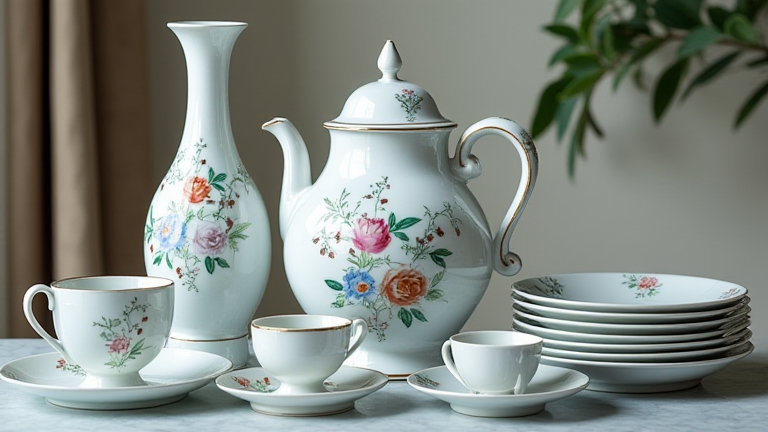
TL;DR: Porcelain is not merely a material but a cultural touchstone that bridges ancient craftsmanship with modern aesthetic sophistication. Integrating porcelain into your lifestyle enhances daily rituals through tactile beauty and historical depth, transforming mundane acts into mindful experiences of artistry and heritage.
The White Gold of Daily Life
When you lift a delicate teacup to your lips, you are engaging with a material that has shaped civilizations for over a thousand years. Porcelain, often referred to as “white gold,” originated in China during the Tang Dynasty, where alchemists sought a material that mimicked jade but possessed the purity of snow. This quest for perfection resulted in a ceramic body that is vitreous, white, translucent, and highly resistant to moisture. Today, porcelain transcends its utilitarian roots to become a central element in lifestyle design, offering a blend of durability and elegance that resonates deeply with modern sensibilities.
If you want to dig deeper, check out our guide on Porcelain History & Culture: A Lifestyle Guide to Fine China.
Culinary Rituals and the Art of Dining
In the realm of food culture, porcelain elevates the dining experience by altering the way we perceive temperature, texture, and taste. Unlike glass, which can be too cold or fragile, or plastic, which lacks presence, porcelain holds heat gently and presents food with a visual clarity that enhances appetite. A fine porcelain plate serves as a neutral canvas, allowing the vibrant colors of a meticulously plated dish to pop without distraction. In Japanese tea ceremony culture, the imperfections and irregularities of porcelain vessels are celebrated as part of the aesthetic, reminding diners to appreciate the moment and the craftsmanship involved in every sip. Choosing high-quality porcelain for your tableware is an act of self-care, signaling a commitment to quality and mindfulness in your daily meals.
Personal Growth Through Material Connection
Engaging with porcelain also fosters personal growth through the practice of curation and care. The fragility of fine porcelain requires a heightened sense of awareness and gentleness, teaching us patience and respect for objects. This mindful interaction can extend beyond the kitchen, encouraging a broader lifestyle of intentional living. Whether you are collecting vintage Meissen pieces, exploring contemporary abstract ceramic art, or simply selecting a set of handmade mugs for your morning coffee, each choice reflects your personal narrative and values. The history embedded in each piece connects you to a global lineage of artisans, from the kilns of Jingdezhen to the workshops of Sèvres, creating a tangible link between past and present.
Traveling Through Culture
For the traveler, porcelain offers a unique lens through which to explore different cultures. Visiting a museum dedicated to ceramics or a local pottery studio allows for a deeper understanding of regional identities and artistic traditions. In France, porcelain is synonymous with luxury and aristocratic heritage, while in Japan, it is intertwined with spiritual discipline and natural beauty. By incorporating these cultural artifacts into your home, you create a personal museum that tells a story of global exploration and appreciation. This cultural immersion not only enriches your home environment but also broadens your perspective, fostering a deeper connection to the world around you.
FAQ
Q: What makes porcelain different from other ceramics?
A: Porcelain is made from kaolin clay and fired at very high temperatures, resulting in a material that is denser, harder, and more translucent than stoneware or earthenware.
Q: How can I care for delicate porcelain items?
A: Hand wash with mild soap and a soft cloth, avoid sudden temperature changes to prevent cracking, and store pieces separately or with padding to prevent chipping.
Q: Is it safe to use antique porcelain for daily dining?
A: While many antique pieces are safe, check for lead glaze certifications if using them for food, especially if they are from before modern safety standards were established.
Leave a Reply