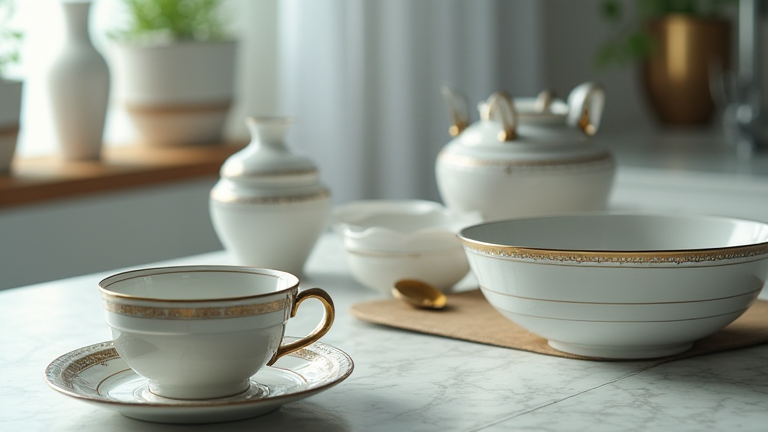
Porcelain History & Culture: Surprising Health Benefits
TL;DR: Engaging with porcelain history and culture promotes mindfulness and reduces stress through the meditative act of appreciating delicate craftsmanship. The aesthetic pleasure derived from fine ceramics lowers cortisol levels, supporting overall mental well-being.
The Meditative Aspect of Ceramic Appreciation
Porcelain, often referred to as “white gold,” has a rich history spanning centuries, originating in China before spreading to Europe and beyond. While primarily known for its aesthetic value, the interaction with this material offers tangible health benefits rooted in psychological well-being. The process of creating and appreciating porcelain requires a heightened state of focus. When individuals study the subtle glaze variations or the intricate forms of historical pieces, they enter a state of flow. This mental state is scientifically linked to reduced anxiety and improved concentration. By dedicating time to observe these cultural artifacts, individuals practice a form of active mindfulness that combats the constant digital stimulation of modern life.
If you want to dig deeper, check out our guide on “Porcelain Through the Ages: A Cultural History in 5 Timeles.
Tactile Stimulation and Emotional Regulation
The physical properties of porcelain also contribute to health. The smooth, cool surface of fine china provides a unique tactile experience that can be calming to the nervous system. Studies in haptic perception suggest that pleasant touch can trigger the release of oxytocin, a hormone associated with trust and bonding. Handling porcelain tea sets or decorative items engages the senses in a way that grounds the mind. For example, the ritual of preparing tea using traditional porcelain cups encourages slow, deliberate movements. This ritualistic behavior slows down the heart rate and promotes relaxation. The cultural weight behind each piece adds a layer of narrative engagement, allowing the mind to wander creatively through historical contexts, which further enhances cognitive flexibility and emotional regulation.
Cultural Connection and Social Well-Being
Porcelain is deeply embedded in social and cultural rituals, fostering a sense of community and belonging. Sharing a meal served on fine porcelain or visiting a museum to view historical collections creates social bonds. Social connection is a critical component of physical and mental health. Participating in ceramic arts classes or collecting porcelain allows individuals to engage with a global community of enthusiasts. This sense of belonging can alleviate feelings of isolation and depression. Furthermore, the appreciation of cultural heritage promotes a broader perspective on human history, encouraging empathy and cultural awareness. These cognitive and social benefits collectively contribute to a healthier, more balanced lifestyle.
Practical Lifestyle Tips for Incorporating Porcelain
To harness these benefits, consider starting a small collection of historical or artisanal porcelain. Use these items for daily meals to elevate the dining experience into a mindful practice. Join local ceramic clubs or online forums to discuss the history and techniques of porcelain making. Visit museums dedicated to ceramics to engage with the cultural narratives surrounding the material. Even simply cleaning and polishing your porcelain items can serve as a meditative routine, providing a daily opportunity for calm and reflection. By integrating these practices into your routine, you tap into the centuries-old wisdom that beauty and culture are essential components of health.
FAQ
Q: Does touching porcelain have direct physiological effects?
A: Yes, pleasant tactile stimulation can reduce stress hormones and promote relaxation through the release of calming neurotransmitters.
Q: How can I incorporate porcelain into my daily wellness routine?
A: Use fine porcelain for meals to encourage mindful eating, or spend a few minutes appreciating a piece in your collection to practice mindfulness.
Q: Is collecting porcelain a good way to improve social health?
A: Yes, it provides a shared interest for community engagement, fostering social connections and a sense of belonging among collectors and enthusiasts.
Leave a Reply