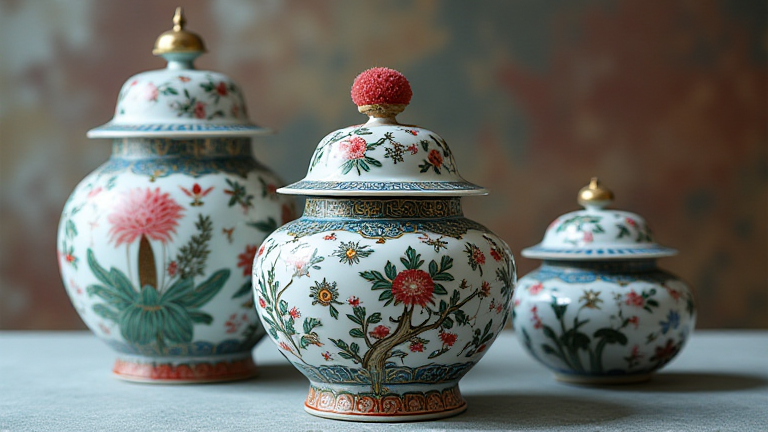
Porcelain History & Culture: A Complete Beginner’s Tutorial
TL;DR: Porcelain is a high-fired ceramic material originating in China, distinguished by its white, translucent, and hard qualities that revolutionized global trade. Understanding its history involves exploring dynastic evolution, the secret of kaolin clay, and its profound influence on European art, economy, and social status.
Step 1: Understand the Origin and Materials
Begin by researching the origins of porcelain in China during the Tang Dynasty, with true white porcelain emerging in the Song Dynasty. The key ingredient is kaolin, a specific type of white clay found in Jingdezhen. Learn how the combination of kaolin and feldspar creates a vitrified body that is waterproof and acoustically resonant. This foundational knowledge explains why porcelain was so valuable and difficult to replicate outside of East Asia. Focus on the geological requirements for producing high-quality porcelain, as this scarcity drove its value across continents.
If you want to dig deeper, check out our guide on Porcelain History & Culture: A Guide to Its Lifestyle Legacy.
Step 2: Trace the Global Trade and Influence
Examine the impact of the Silk Road and later maritime trade routes that carried Chinese porcelain to the Middle East and Europe. Study how European artisans, particularly in Germany and France, attempted to reverse-engineer the process for centuries. The breakthrough in Meissen, Germany, marked a pivotal moment in European culture. Analyze how porcelain shifted from a luxury item to a symbol of refinement in European courts. This step highlights the cultural exchange between East and West, showing how a material object can drive technological innovation and artistic development across diverse civilizations.
Step 3: Explore Cultural Significance and Usage
Dive into the cultural rituals associated with porcelain, such as the Chinese tea ceremony and European dining etiquette. In China, porcelain vessels often carry symbolic meanings related to longevity, prosperity, or harmony. In Europe, porcelain was used to display wealth and taste, influencing interior design and social hierarchies. Identify key decorative motifs, such as the blue-and-white palette, which became iconic. Understanding these cultural contexts helps you appreciate porcelain not just as a material, but as a vessel of history, identity, and aesthetic philosophy that continues to influence modern design and collectibles.
Step 4: Identify Authentic Pieces for Collection
Learn to identify different types of porcelain, including hard-paste and soft-paste varieties, which differ in firing temperatures and translucency. Study the marks and signatures on the bottom of pieces, as these provide clues about origin, date, and maker. Visit museums or reputable auction houses to see examples of Ming, Qing, and European porcelain firsthand. Compare the sound of a tap; authentic hard porcelain produces a clear, ringing tone. This practical skill allows you to engage with the physical history of the material, enhancing your understanding through direct observation and tactile experience of these historical artifacts.
Tips for Success
Use high-quality reference books on ceramic history to cross-reference visual details. Join online forums dedicated to antique ceramics to ask questions and share findings. Always handle pieces with clean, dry hands to preserve their condition. Be patient with the learning process, as distinguishing between similar styles requires time and practice. Document your learning journey with notes and photographs of key features you observe in museum collections or personal collections.
FAQ
Q: What is the main difference between porcelain and stoneware?
A: Porcelain is fired at higher temperatures, making it harder, whiter, and more translucent than stoneware, which is more porous and opaque.
Q: Why was porcelain so valuable in Europe?
A: It was extremely difficult to produce outside of China, making it a rare luxury good that signaled wealth and sophistication among the European elite.
Q: How can I tell if a piece is genuine porcelain?
A: Hold it up to light to check for translucency, listen for a clear ringing sound when tapped, and examine the base for maker’s marks or specific glaze characteristics.
Leave a Reply