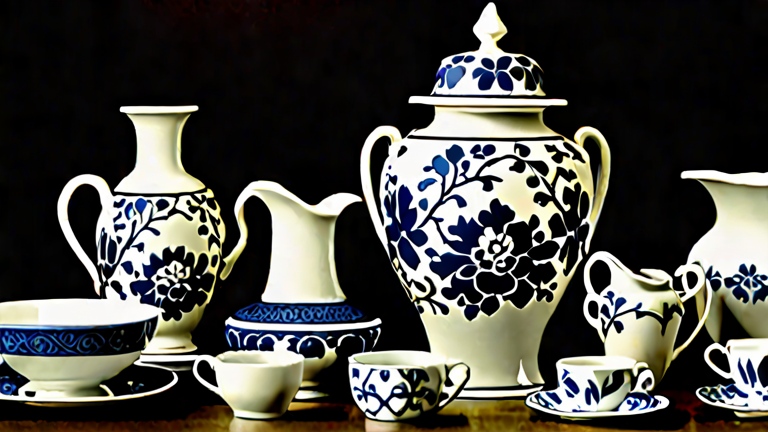
Porcelain History & Culture: A Complete Beginner’s Guide
TL;DR: Porcelain originated in China during the Han Dynasty, evolving into a global symbol of luxury and artistic mastery through centuries of trade. To understand its culture, study its production techniques, regional styles, and its enduring role in diplomatic and commercial exchange worldwide.
Understanding porcelain requires more than just admiring its beauty; it demands an appreciation of the complex historical and cultural forces that shaped its creation. This guide provides a structured approach for beginners to navigate the rich tapestry of porcelain history, focusing on key eras, cultural impacts, and practical ways to engage with the subject. By following these steps, you will develop a foundational knowledge that enhances your ability to identify styles, understand value, and appreciate the cultural significance of this remarkable material.
If you want to dig deeper, check out our guide on Porcelain History: 10 Cultural Trends That Shaped the World.
Step 1: Trace the Origins in Ancient China
Begin your journey by studying the early development of porcelain in China, specifically during the Han and Tang dynasties. Research the discovery of high-fired kaolin clay, which allowed for the creation of true white, translucent ware. Understand how the Song Dynasty perfected distinct regional kilns, such as Jingdezhen, which became the center of ceramic production. This historical context is crucial for recognizing the evolution of glaze technologies and form designs that define authentic pieces.
Step 2: Explore the Silk Road and Global Trade
Next, investigate how porcelain traveled along the Silk Road to the Middle East and eventually to Europe. Focus on the period of the Ming and Qing dynasties, where export porcelain influenced artistic trends globally. Learn about the specific motifs, such as blue-and-white designs, that were tailored for foreign markets. This step highlights the cultural exchange between East and West, showing how porcelain served as a diplomatic gift and a luxury commodity that shaped economic and social structures across continents.
Step 3: Analyze European Imitation and Innovation
Turn your attention to Europe, where the quest to replicate Chinese porcelain led to significant industrial and artistic breakthroughs. Study the Meissen factory in Germany, which successfully produced hard-paste porcelain in 1708, and the subsequent developments in France and England. Compare these European styles with their Chinese predecessors to identify differences in composition, decoration, and purpose. This comparative analysis helps you distinguish between original Asian pieces and European interpretations, a critical skill for collectors and historians alike.
Step 4: Engage with Modern Cultural Significance
Finally, consider the modern cultural impact of porcelain. Visit museums or online collections that feature porcelain in contemporary art and design. Discuss how porcelain continues to symbolize status, fragility, and beauty in literature and film. Engage with communities of collectors and scholars to share insights and stay updated on new archaeological discoveries or conservation techniques. This active engagement ensures that your knowledge remains dynamic and connected to current cultural dialogues.
Tip: Always verify provenance when studying historical pieces, as forgeries are common. Use reputable academic sources and museum catalogs to cross-reference styles and dates. Additionally, handle any physical artifacts with care, using clean hands or gloves to prevent oil transfer and potential damage to delicate glazes. Understanding the fragility of porcelain deepens respect for the craftsmanship involved in its creation.
FAQ
Q: What distinguishes porcelain from other ceramics?
A: Porcelain is made from kaolin clay and fired at higher temperatures, resulting in a harder, more translucent, and less porous material compared to earthenware or stoneware.
Q: Why is Jingdezhen significant in porcelain history?
A: Jingdezhen is known as the “Porcelain Capital” because it has been the primary center for high-quality porcelain production in China for over a thousand years, influencing global styles.
Q: How can beginners start collecting porcelain?
A: Start with affordable reproductions or local antique markets, focus on a specific region or period, and consult guides to learn about identifying marks and common flaws.
Leave a Reply