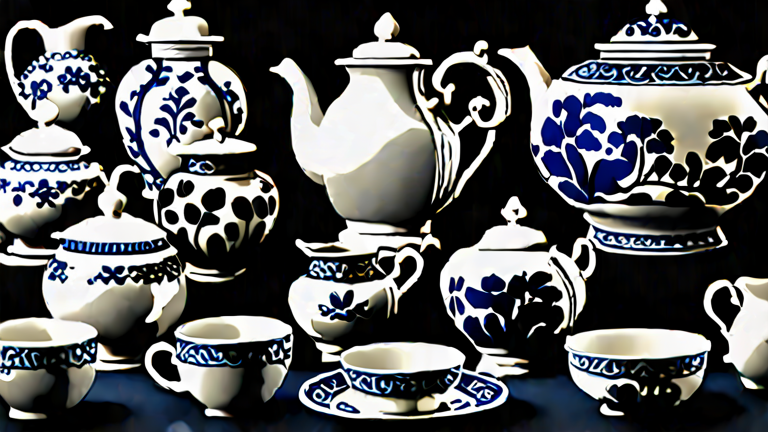
TL;DR: Porcelain history is defined by the fusion of alchemical innovation and strategic cultural diplomacy, which transformed a Chinese commodity into a global status symbol. Its evolution from imperial exclusive to mass-produced luxury fundamentally shaped international trade routes and modern consumer markets.
The Alchemy of Global Desire
The story of porcelain is not merely one of ceramics; it is a narrative of geopolitical power and cultural aspiration that spans millennia. Originating in China, specifically during the Han and Tang dynasties, porcelain was initially a domestic luxury. However, its journey into the global marketplace began in the 14th century, driven by the Silk Road and later maritime routes. The material’s unique properties—translucency, hardness, and purity—made it distinct from other ceramics, creating a demand that few goods in history have ever matched. This demand did not just move goods; it moved wealth, technology, and ideas across continents, creating a complex web of cultural exchange that defined the early modern world.
If you want to dig deeper, check out our guide on Porcelain History: How Tech Shaped China’s White Gold Cultur.
Market data from the 17th and 18th centuries reveals the sheer scale of this trade. Historians estimate that millions of pieces were shipped from China to Europe between 1600 and 1800, with single cargoes worth more than entire fleets of gold coins. This “china” craze drove significant economic shifts, leading to the establishment of trading posts in Batavia and Canton. The high value placed on these objects meant that they were often treated as diplomatic gifts, reinforcing political alliances while simultaneously fueling consumerism among the European elite. The cultural impact was profound, as European art, fashion, and domestic design began to mimic Chinese aesthetics, a phenomenon known as Chinoiserie. This cross-pollination of styles highlights how a single material could reshape artistic movements across the globe, proving that cultural capital often holds as much value as financial capital in international relations.
Expert insights suggest that the longevity of porcelain’s cultural significance lies in its adaptability. Dr. Elena Rossi, a historian of material culture, notes, “Porcelain was never just a vessel; it was a canvas for identity. As technology allowed for cheaper production in Meissen and later in the West, the cultural meaning shifted from exclusivity to accessibility, yet the prestige remained.” This shift allowed the industry to survive the decline of direct trade with China. The ability to imitate and then innovate led to the development of distinct national styles, from the delicate bone china of England to the bold blue-and-white patterns of Delft. These variations reflect local cultural identities while maintaining a connection to the original Chinese innovation, creating a global heritage that is both unified and diverse.
Looking to the future, predictions indicate a resurgence in artisanal and sustainable porcelain production. As global consumers become more conscious of environmental impacts, there is a growing market for handcrafted, locally sourced ceramics that tell a story of craftsmanship rather than mass production. The digital age has also changed how porcelain is valued; social media platforms have created new avenues for independent artisans to reach global audiences, bypassing traditional retail channels. This democratization of access could redefine the hierarchy of ceramic value, placing greater emphasis on narrative and provenance. The industry is expected to integrate traditional techniques with modern sustainability practices, ensuring that this ancient material remains relevant in the 21st century. The cultural legacy of porcelain will continue to evolve, reflecting contemporary values while honoring its rich historical roots.
FAQ
Q: What was the primary reason porcelain became a global trade commodity?
A: Its unique combination of durability, aesthetic beauty, and scarcity created high demand among elites, making it a valuable currency for diplomatic and commercial exchange.
Q: How did the discovery of European porcelain production affect China’s trade?
A: It reduced China’s monopoly on high-quality porcelain, leading to a diversification of global supply and allowing European markets to develop distinct local styles and industries.
Q: Why is porcelain still culturally significant today?
A: It serves as a symbol of refinement and craftsmanship, with modern markets valuing both historical artifacts and contemporary artisanal pieces that reflect sustainable and personal narratives.
Leave a Reply