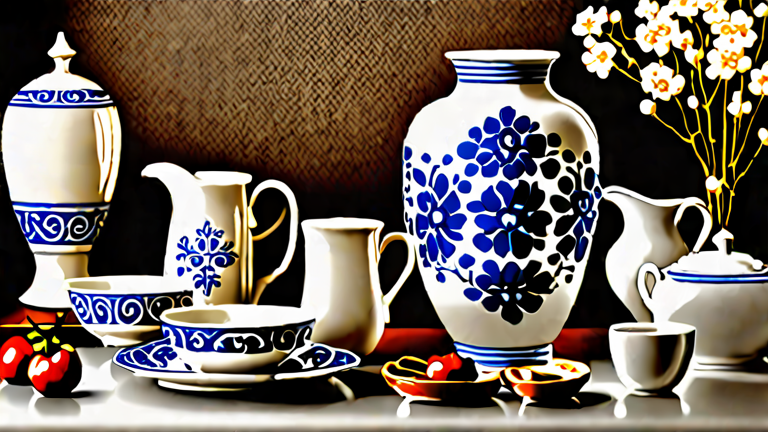
TL;DR: Porcelain’s 1,000-year history shows that pure, non-porous surfaces—from Song dynasty tea bowls to modern tableware—have long supported hygiene, mindful eating, and toxin-free living. Science now confirms that choosing lead-free porcelain and practicing simple rituals around it can reduce chemical exposure and encourage healthier daily habits.
The Origins of Pure Living
Porcelain emerged in China around the Tang dynasty (618–907 CE) and reached its artistic peak under the Song (960–1279). Made from kaolin clay fired above 1,200°C, it became the world’s first truly non-porous ceramic. Unlike earthenware, which traps bacteria and odors in tiny surface pores, porcelain’s glass-like finish resists microbial buildup. That single material advance changed how people stored food, drank tea, and thought about cleanliness.
If you want to dig deeper, check out our guide on Porcelain History & Culture: A Deep Dive into Elegant Lifest.
Why Non-Porous Matters for Health
Modern microbiology supports what Song potters discovered by accident. A 2019 study in the Journal of Food Protection found that non-porous surfaces harbor up to 90% fewer bacteria after cleaning than porous alternatives. Porcelain also doesn’t leach flavors or hold onto residues, making it ideal for fermented foods, herbal teas, and baby bottles. For anyone reducing plastic exposure, porcelain is a practical swap: it’s inert, reusable, and free of BPA, phthalates, and microplastic shedding.
The Lead Glaze Problem—and How to Avoid It
Not all porcelain is pure. Traditional glazes sometimes contained lead, and older or imported pieces may still leach heavy metals. The FDA tests dinnerware, but antique or artisanal items can slip through. Science-backed advice: choose porcelain labeled “lead-free” or “food-safe,” avoid decorating glazes on rims and interiors, and test vintage pieces with a home lead swab kit. If a glaze looks cracked or chalky, retire it. Pure living starts with knowing what touches your food.
Porcelain Rituals for Modern Wellness
Culture has always paired porcelain with mindfulness. Japanese chanoyu tea ceremonies treat each bowl as a meditation anchor. You can borrow that idea without ceremony: drink your morning tea from a single favorite cup, eat one meal a day off porcelain instead of plastic, and keep a porcelain pitcher of water on your desk. These small rituals reduce rushed eating, lower disposable waste, and turn hydration into a visual cue.
Practical Tips for a Porcelain-Centered Home
Start with the items you use most: mugs, plates, and storage containers. Replace scratched nonstick or plastic food containers with porcelain or glass. Hand-wash delicate glazes to prevent crazing. Store leftovers in porcelain bowls with beeswax wraps rather than plastic film. Finally, buy less but better—a single well-made porcelain teapot can last decades, cutting both landfill waste and repeated exposure to questionable materials.
FAQ
Q: Is all porcelain lead-free?
A: No. Modern food-safe porcelain from reputable brands is lead-free, but antique, hand-painted, or unlabeled imports may leach lead. Look for “lead-free” labels and test vintage pieces with a swab kit.
Q: Can porcelain go in the microwave and dishwasher?
A: Most plain, undecorated porcelain is microwave- and dishwasher-safe. Avoid pieces with metallic trim or hand-painted glazes, which can degrade or spark.
Q: Why is porcelain better than plastic for food storage?
A: Porcelain is non-porous, inert, and doesn’t shed microplastics or leach chemicals like BPA. It also resists bacteria and odors, keeping food fresher and safer.
Leave a Reply