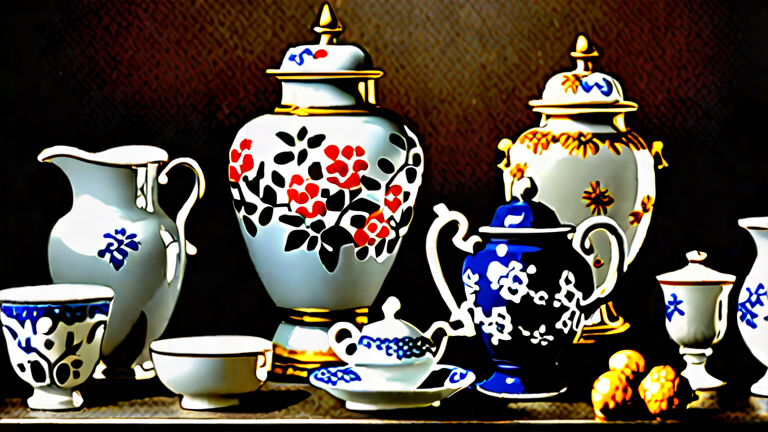
10 Timeless Porcelain Treasures: A Journey Through History
TL;DR: This article explores ten essential porcelain items that define centuries of artistic innovation and cultural exchange. It highlights how these vessels serve as tangible links to historical craftsmanship, offering collectors a curated path through the evolution of ceramic art.
The Allure of White Gold
Porcelain has long been revered as “white gold,” a material that transcends mere utility to become a symbol of status, artistry, and historical continuity. From the misty mountains of Jingdezhen to the royal courts of Europe, the journey of porcelain is a narrative of global trade, technological breakthroughs, and aesthetic refinement. This curated list of ten treasures invites you to embark on a journey through history, examining the pieces that shaped our understanding of beauty and function. Each item represents a pivotal moment in ceramic history, offering modern collectors and enthusiasts a window into the past. Whether you are a seasoned collector or a curious beginner, these ten pieces provide a comprehensive overview of the medium’s rich heritage, showcasing the delicate balance between material innovation and artistic expression that has captivated civilizations for millennia.
If you want to dig deeper, check out our guide on Porcelain History & Culture: The Tech Behind the White Gold.
Feature Highlights and Historical Context
The first treasure on our list is the classic Meiping vase, a form that originated in the Song Dynasty and evolved through the Ming era. Its elegant, bottle-like silhouette demonstrates the mastery of glaze application and structural integrity. Moving forward, the blue-and-white export ware from the Ming Dynasty stands as a testament to the massive scale of Chinese trade. These pieces, often featuring intricate dragon or floral motifs, were shipped across oceans, influencing artistic trends in the Middle East and Europe. A key feature of these historical pieces is their durability; high-fired porcelain withstands centuries of wear, preserving the vividness of cobalt pigments that were once so valuable they were reserved for imperial use. Comparing the early, slightly thinner wares of the Yuan Dynasty to the refined, thicker bodies of the Kangxi period reveals a clear progression in technical skill. The later pieces exhibit a more resonant sound and a cleaner, whiter body, reflecting improved kiln temperatures and clay processing techniques. This evolution is not just technical but cultural, as the motifs shift from foreign influences to deeply rooted Chinese symbolism, reflecting the changing identity of the empire. Understanding these differences allows collectors to appreciate the specific historical context of each piece, recognizing how local tastes and global demands shaped the final product.
Comparing Eastern and Western Revivals
While Chinese porcelain set the global standard, the European response was equally transformative. The development of true porcelain in Meissen, Germany, in the early 18th century marked a significant turning point. By comparing the delicate, translucent quality of Chinese porcelain to the slightly more opaque, robust nature of early European pieces, we see distinct regional preferences. European porcelain often featured heavier, more ornate gilding and painted scenes that reflected local folklore and courtly life, whereas Chinese pieces tended toward subtlety and naturalistic landscapes. This comparison highlights how cultural values are embedded in material culture. For the modern collector, this distinction offers a rich field of study. You might choose a Ming Dynasty bowl for its historical significance and minimal aesthetic, or a Meissen tea service for its elaborate baroque design and European narrative. Both are timeless, yet they speak to different chapters in the story of human creativity. The juxtaposition of these styles in a single collection allows for a deeper dialogue across cultures, illustrating the universal human desire to create beauty from earth and fire.
Call to Action
Ready to begin your own journey through porcelain history? Start by researching one of these ten treasures. Visit a local museum to see these styles in person, or explore reputable auction houses for authentic pieces that match your budget and interest. Join online collector forums to share your findings and learn from others who have dedicated their lives to preserving this art form. Your exploration will not only enrich your home with beautiful objects but also connect you to a global heritage that spans centuries. Take the first step today and discover the timeless allure of porcelain for yourself.
FAQ
Q: What makes porcelain different from ceramic?<br
Leave a Reply