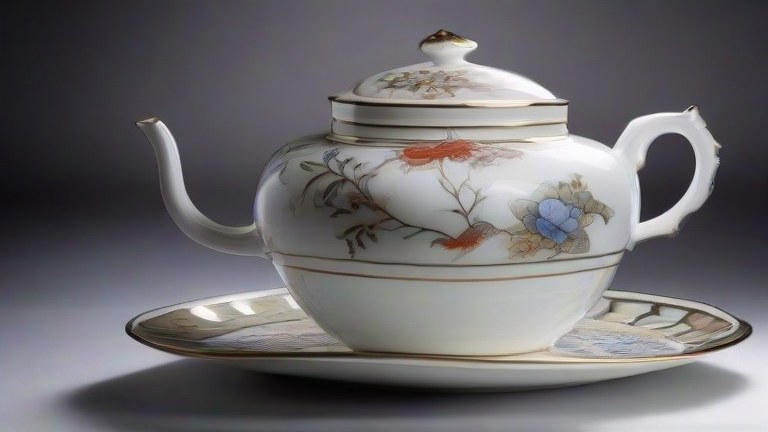
TL;DR: This guide explores the deep historical roots and cultural significance of porcelain, tracing its journey from ancient China to global craftsmanship. It highlights essential collection items and educational resources that define the rich heritage of this exquisite material.
The Origins of White Gold
Porcelain, often referred to as white gold, has a history that spans nearly two millennia. Originating in China during the Han Dynasty, it was initially a secret closely guarded by artisans. The material’s unique properties, derived from kaolin clay and petunse, allowed for the creation of vessels that were translucent, durable, and resonant. For centuries, Western civilizations attempted to replicate this material without success, leading to the development of earthenware and stoneware as substitutes. Understanding the origin of porcelain is crucial for any collector or enthusiast, as it sets the stage for appreciating the technical achievements that followed.
If you want to dig deeper, check out our guide on Porcelain History: 10 Fascinating Facts & Cultural Secrets.
Global Influence and Trade
The introduction of porcelain to Europe via the Silk Road and later the maritime routes triggered a cultural revolution. The Dutch East India Company and other trading entities brought massive quantities of Chinese blue-and-white ware to European courts, sparking a craze known as Chinoiserie. This demand led to the establishment of European porcelain factories, most notably in Meissen, Germany, and Sèvres, France. These factories not only replicated Chinese aesthetics but also developed distinct national styles. The Meissen factory, established in 1710, is often credited with the first true hard-paste porcelain in Europe, marking a significant milestone in the global history of the craft.
Feature Highlights of Key Collections
When exploring porcelain history and culture, certain product lines and collections stand out for their historical value and artistic merit. The Ming Dynasty blue-and-white plates are iconic for their intricate dragon motifs and high-fired glazes. In contrast, Japanese Raku ware offers a more rustic, handcrafted aesthetic that emphasizes the beauty of imperfection. Modern reproductions of these classic styles are widely available, allowing enthusiasts to own pieces that reflect historical accuracy without the prohibitive cost of antiques. Key features to look for in high-quality reproductions include authentic glaze finishes, precise historical motifs, and detailed craftsmanship that honors the original techniques.
Comparing Historical Periods
Comparing different historical periods reveals the evolution of porcelain techniques and aesthetics. Early Song Dynasty ceramics favored minimalism and subtle glaze colors, such as celadon and white, emphasizing form over decoration. In contrast, the Qing Dynasty embraced elaborate enamel work and vibrant colors, reflecting the imperial court’s opulence. European porcelain from the 18th century often featured gilded edges and floral patterns influenced by French Rococo style. By comparing these periods, collectors can better understand how cultural contexts and technological advancements influenced the development of porcelain. Each era offers a unique window into the artistic and social values of its time.
Preserving and Displaying Porcelain
Proper care and display are essential for preserving porcelain pieces. Porcelain is sensitive to thermal shock and physical impact, so it should be handled with care and stored in stable environments. Displaying porcelain in well-lit areas can highlight its translucency and glaze colors, but direct sunlight should be avoided to prevent fading. Using padded display shelves and avoiding high-humidity areas can help protect the integrity of the pieces. For educational purposes, many museums offer interactive exhibits that demonstrate the firing process and the chemical composition of different porcelain types, providing valuable insights for students and hobbyists alike.
Why Study Porcelain Culture?
Studying porcelain culture offers more than just aesthetic pleasure; it provides a lens into global trade, diplomacy, and artistic exchange. Porcelain has served as a diplomatic gift, a symbol of status, and a medium for cultural expression across continents. By exploring the history and culture of porcelain, enthusiasts gain a deeper appreciation for the interconnectedness of global histories. This knowledge enriches the collecting experience and fosters a greater respect for the artisans who have perfected this craft over centuries.
Call to Action
Ready to dive deeper into the world of porcelain? Start by visiting a
Leave a Reply