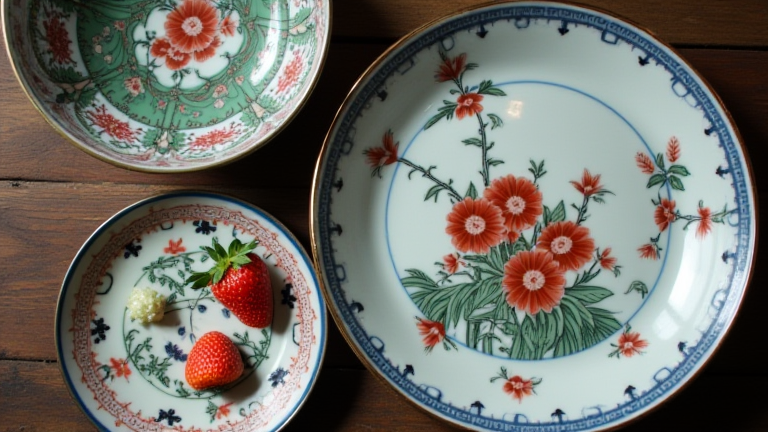
TL;DR: This deep dive explores the intricate timeline of porcelain, from its Chinese origins to its global cultural impact. It highlights key historical artifacts and modern collections that preserve this ceramic legacy.
The Origins of White Gold
Porcelain, often referred to as white gold, has captivated civilizations for millennia. Its story begins in China during the Han Dynasty, where artisans first perfected the firing techniques necessary to create the dense, translucent material. Understanding this origin is crucial for any collector or history enthusiast. The journey from simple pottery to high-fired porcelain represents one of the most significant technological leaps in material science. Early pieces were rare and highly valued, reserved for imperial use and diplomatic gifts. This exclusivity established porcelain as a symbol of power and refinement long before it reached European shores.
European Discovery and Imitation
When European traders brought porcelain back from Asia in the sixteenth century, it sparked a frenzy. The material was so desired that it was frequently mistaken for glass or stone. European potters spent centuries trying to replicate the Chinese secret. This period of imitation led to the development of faience and earthenware, which, while not true porcelain, helped establish the aesthetic preferences that would later shape European ceramic art. The eventual breakthrough by German alchemist Johann Friedrich Böttger in the early eighteenth century marked a turning point. Meissen porcelain became the first successful European hard-paste porcelain, challenging the dominance of Asian imports and establishing a new standard for luxury goods.
Feature Highlights of Historical Collections
For those interested in acquiring or studying porcelain history, several feature highlights define the market. First, authenticity is paramount. Genuine antique pieces often bear specific glaze characteristics and weight distributions that modern copies cannot easily mimic. Second, provenance documentation adds significant value and historical context. Finally, condition reports are essential, as even minor chips can drastically alter the desirability of a piece. Collectors should look for pieces that showcase the transition from utilitarian ware to artistic expression, such as the delicate blue-and-white patterns of the Ming Dynasty or the vibrant colors of the Qing Dynasty.
Comparisons: East vs. West
Comparing Eastern and Western porcelain reveals distinct cultural philosophies. Chinese porcelain often emphasizes natural harmony and subtle elegance, using motifs of dragons, clouds, and landscapes to convey cosmic balance. In contrast, European porcelain, particularly from France and Germany, tends to favor ornate detail, gilding, and realistic portraiture. This stylistic difference reflects broader cultural values, with Eastern aesthetics valuing restraint and Western aesthetics celebrating opulence. Understanding these differences allows enthusiasts to appreciate the unique artistic voice of each tradition.
Call to Action
Immerse yourself in the rich heritage of porcelain by exploring curated museum collections or attending specialized auctions. Whether you are a novice or a seasoned collector, there is always more to discover about this enduring legacy. Start your journey today by visiting a local ceramics gallery or joining an online community dedicated to porcelain history.
FAQ
Q: What makes porcelain different from ceramic?
A: Porcelain is a specific type of ceramic made from kaolin clay and fired at very high temperatures, resulting in a denser, more translucent, and harder material.
If you want to dig deeper, check out our guide on Porcelain History: A Beginner’s Guide to History & Culture.
Q: Is antique porcelain a good investment?
A: Yes, high-quality antique porcelain from renowned manufacturers or historical periods can appreciate significantly in value over time due to rarity and demand.
Q: How should I care for a porcelain collection?
A: Store pieces in climate-controlled environments, handle them with clean hands or gloves, and avoid sudden temperature changes to prevent thermal shock and cracking.
Leave a Reply