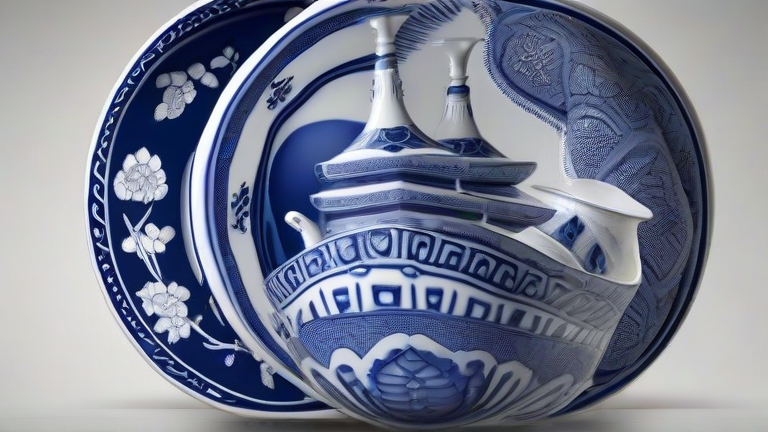
TL;DR: Porcelain is a durable, translucent ceramic material originating in ancient China that revolutionized global trade and artistic expression. This guide explains how to identify authentic pieces, understand historical periods, and care for these delicate cultural artifacts to preserve their value and beauty.
Understanding the Origins of Porcelain
Before diving into collection or appreciation, you must understand the material’s roots. Porcelain, often called “white gold,” was first perfected in China during the Han Dynasty, though it reached its zenith during the Tang and Song Dynasties. To begin your journey, study the primary types: hard-paste porcelain, developed in Europe in the 18th century, and soft-paste porcelain, an earlier European attempt that lacked the translucency of its Chinese counterpart. Focus on the key regions: Jingdezhen in China, which has been the porcelain capital for centuries, and Meissen in Germany, which successfully reverse-engineered the recipe in 1710. Understanding these origins helps you contextualize any piece you encounter, allowing you to appreciate the technological leaps involved in firing clay at temperatures exceeding 1,300 degrees Celsius.
If you want to dig deeper, check out our guide on Porcelain History & Culture: A Deep Dive into Porcelain.
Identifying Key Historical Periods and Styles
Next, learn to recognize distinct stylistic eras. For beginners, start with the Ming Dynasty (1368–1644), known for its iconic blue-and-white designs featuring dragons, cranes, and lotus flowers. The blue pigment was cobalt oxide, imported from Persia. Move on to the Qing Dynasty, which introduced famille rose enamels, characterized by pink hues and intricate floral patterns. In Europe, look for the distinctive marks of major manufacturers. Sèvres porcelain, from France, often features a subtle “S” mark and elegant, pastel-colored pastels. Royal Doulton from the UK is recognized for its figurines and transferware. Use a magnifying glass to inspect the base of pieces. Look for maker’s marks, dates, or backstamps. Authenticating a piece requires cross-referencing these marks with reliable reference books or databases. Be wary of reproductions, which are common in the market. A true expert can distinguish an original from a replica by examining the weight, the sound it makes when tapped, and the texture of the glaze.
Caring for and Displaying Porcelain
Proper care is essential to preserve the integrity of porcelain. Always handle pieces with clean, dry hands or cotton gloves to prevent oil transfer and fingerprints. Clean them gently with a soft, damp cloth and mild soap. Avoid abrasive cleaners or harsh chemicals, as they can scratch the glaze. When storing items, wrap each piece in acid-free tissue paper to prevent scratches. Store them in a cool, dry place away from direct sunlight, which can fade vibrant pigments over time. Displaying porcelain requires stability. Use padded shelves or stands to prevent accidental knocks. If you are displaying valuable historical pieces, consider a climate-controlled display case to protect against humidity fluctuations that can cause hairline cracks, known as crazing, in the glaze.
Exploring Cultural Significance
Porcelain is more than just a vessel; it is a cultural symbol. In China, it represents purity and sophistication, often used in diplomatic gifts to showcase national prestige. In Europe, it became a status symbol of the aristocracy, influencing fashion and interior design. To deepen your understanding, visit local museums that have dedicated ceramic collections. Attend auctions or antique fairs to see how the market values different periods and conditions. Join online communities or local collector groups to share knowledge and identify new pieces. By engaging with the culture surrounding porcelain, you transform from a casual observer into an informed enthusiast who appreciates the intricate blend of art, science, and history embedded in every delicate curve and brushstroke.
FAQ
Q: How can I tell if a porcelain piece is authentic or a modern reproduction?
A: Examine the weight, sound, and markings; authentic pieces often have specific backstamps and a distinct ring when tapped, while reproductions may feel lighter or lack historical accuracy in design details.
<
Leave a Reply