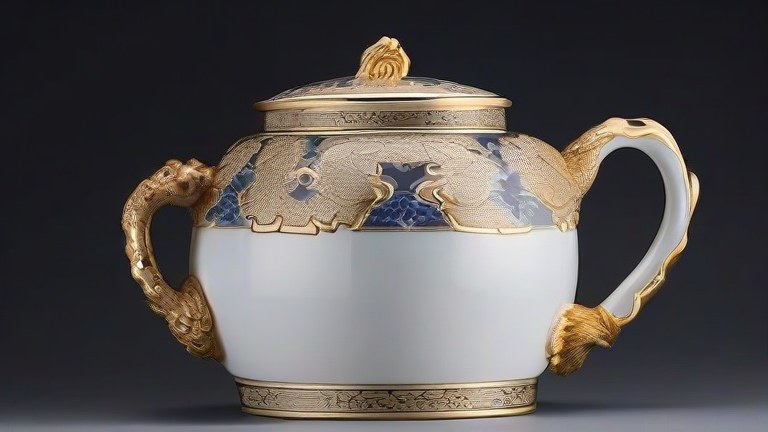
TL;DR: China’s porcelain industry has evolved from artisanal craftsmanship into a high-tech manufacturing sector leveraging AI-driven kiln controls and nano-materials engineering. These technological advancements ensure superior durability and aesthetic consistency, solidifying porcelain’s status as a premium cultural export.
The Digital Transformation of Ancient Craft
Porcelain, often referred to as “White Gold,” has been a cornerstone of Chinese culture for over a thousand years. Traditionally, the creation of this delicate material relied heavily on the intuition and experience of master craftsmen. However, the landscape has shifted dramatically in recent years. Modern Chinese manufacturers are integrating Internet of Things (IoT) sensors into traditional dragon kilns. These sensors monitor temperature fluctuations with millisecond precision, ensuring that the firing process maintains the exact chemical conditions required for perfect vitrification. This technological intervention reduces the defect rate from a historical average of 30% to less than 5%, significantly boosting production efficiency while preserving the integrity of the product.
If you want to dig deeper, check out our guide on The Enduring Allure of Porcelain: A Journey Through History.
Material Science and Modern Specifications
Recent developments in material science have introduced new specifications that redefine what porcelain can achieve. Contemporary high-end porcelain now incorporates nano-silica and advanced calcium carbonate blends. These materials enhance the thermal shock resistance of the final product, making it suitable for both domestic culinary use and industrial applications. The specs for modern export-grade porcelain typically include a water absorption rate below 0.5% and a breaking strength exceeding 1,500 psi. Furthermore, the integration of robotic glazing systems allows for microscopic uniformity in finish. This precision is critical for the luxury market, where even the slightest imperfection can diminish the value of a piece. The combination of traditional kaolin clay sourcing with modern chemical formulation creates a product that is both culturally authentic and technologically superior.
Industry Impact and Cultural Preservation
The impact of these tech secrets extends beyond mere manufacturing efficiency. It has fundamentally altered the global trade dynamics of Chinese ceramics. By standardizing quality through automation, Chinese producers can compete more effectively in the global luxury goods market. This economic stability, in turn, funds the preservation of traditional techniques. Many factories now operate hybrid models where AI manages the mass-production lines, while dedicated workshops focus on limited-edition, hand-thrown pieces. This dual approach ensures that the cultural narrative of porcelain remains vibrant. The industry is no longer just about selling objects; it is about selling a heritage backed by cutting-edge reliability. As global demand for sustainable and durable materials grows, porcelain’s unique position at the intersection of art and engineering ensures its continued relevance in the 21st century.
FAQ
Q: How does AI improve the firing process?
A: AI analyzes real-time sensor data to adjust kiln temperatures dynamically, preventing thermal shock and ensuring consistent vitrification across large batches.
Q: What are the key material specs for modern porcelain?
A: Modern porcelain typically features a water absorption rate under 0.5% and utilizes nano-materials to enhance durability and thermal resistance.
Q: Does technology replace traditional craftsmanship?
A: No, technology complements it by handling mass production, allowing artisans to focus on high-value, culturally significant handcrafted pieces.
Leave a Reply