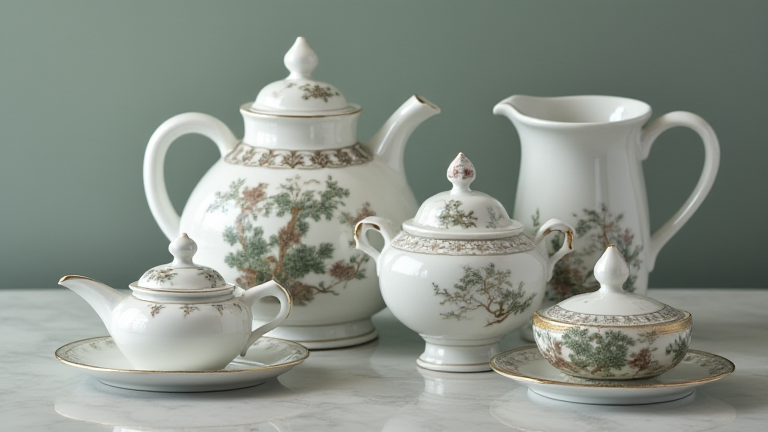
Porcelain History: 5 Cultural Secrets Behind China’s White Gold
TL;DR: China’s porcelain history is defined by five cultural secrets ranging from the secrecy of Kaolin clay sourcing to the imperial monopoly on blue-and-white designs. These secrets reveal how technical mastery, spiritual symbolism, and strict social hierarchies transformed a simple ceramic material into the world’s most coveted “White Gold.”
For centuries, European traders referred to Chinese ceramics as “White Gold” due to their extreme fragility and immense value. This moniker was not merely a financial description but a reflection of the profound cultural weight carried by every vessel. To understand why this material captivated the world, one must look beyond the surface glaze and into the five distinct cultural secrets that shaped its production and perception.
The first secret lies in the geographical exclusivity of the raw materials. High-quality porcelain requires a specific type of white clay known as Kaolin, found primarily in Jingdezhen, Jiangxi Province. For centuries, this location was kept somewhat confidential to maintain a monopoly on the finest ware. The purity of the clay allowed for translucency when held up to the light, a quality that Western potters struggled to replicate for centuries. This geographic advantage established Jingdezhen as the undisputed capital of ceramics, drawing artisans from across the empire.
The second secret involves the spiritual symbolism embedded in the shapes and patterns. In Chinese culture, form follows function, but also follows meaning. A dragon motif was never merely decorative; it represented imperial power and cosmic balance. The shape of a vase could symbolize prosperity, while a bowl’s depth might represent the containment of the universe. These objects were not just for holding tea or wine; they were vessels for cultural identity and social status.
The third secret concerns the imperial workshop system. The best kilns were reserved exclusively for the Emperor’s use. These “Imperial Porcelains” were produced under strict supervision, with any flawed pieces often smashed to prevent them from entering the market. This rigorous quality control ensured that only the perfect reached the palace, creating a stark distinction between imperial luxury and common household items.
The fourth secret is the mastery of underglaze blue pigment. Derived from cobalt ore, which was initially imported from Persia, the blue-and-white style became a canvas for artistic expression. The interaction between the blue pigment and the white glaze created a visual harmony that resonated with Taoist ideals of balance. This aesthetic appeal made Chinese porcelain a desirable trade good, influencing artistic trends from the Middle East to Europe.
The fifth and final secret is the role of porcelain in diplomatic exchange. Porcelain was often used as a gift to foreign dignitaries, serving as a tangible representation of China’s cultural sophistication and economic power. This diplomatic use helped spread Chinese artistic influence globally, leading to the creation of hybrid styles like Delftware in the Netherlands and Jingdezhen-style imitations in Japan.
FAQ
Q: Why is porcelain called “White Gold”?
A: It is called “White Gold” because of its high monetary value, fragility, and the precious nature of the white clay used to make it, which was historically as valuable as gold to European traders.
Q: What is the main difference between ceramic and porcelain?
A: Porcelain is made from kaolin clay and fired at higher temperatures, making it denser, more translucent, and less porous than standard ceramic, which is typically made from common earthenware clay.
If you want to dig deeper, check out our guide on Porcelain History: 5 Key Facts for Modern Business Leaders.
Q: Where is the most famous place for Chinese porcelain production?
A: Jingdezhen in Jiangxi Province is the most famous location, known as the “Porcelain Capital” for over a thousand years due to its ideal clay deposits and skilled artisan workforce.
Leave a Reply